
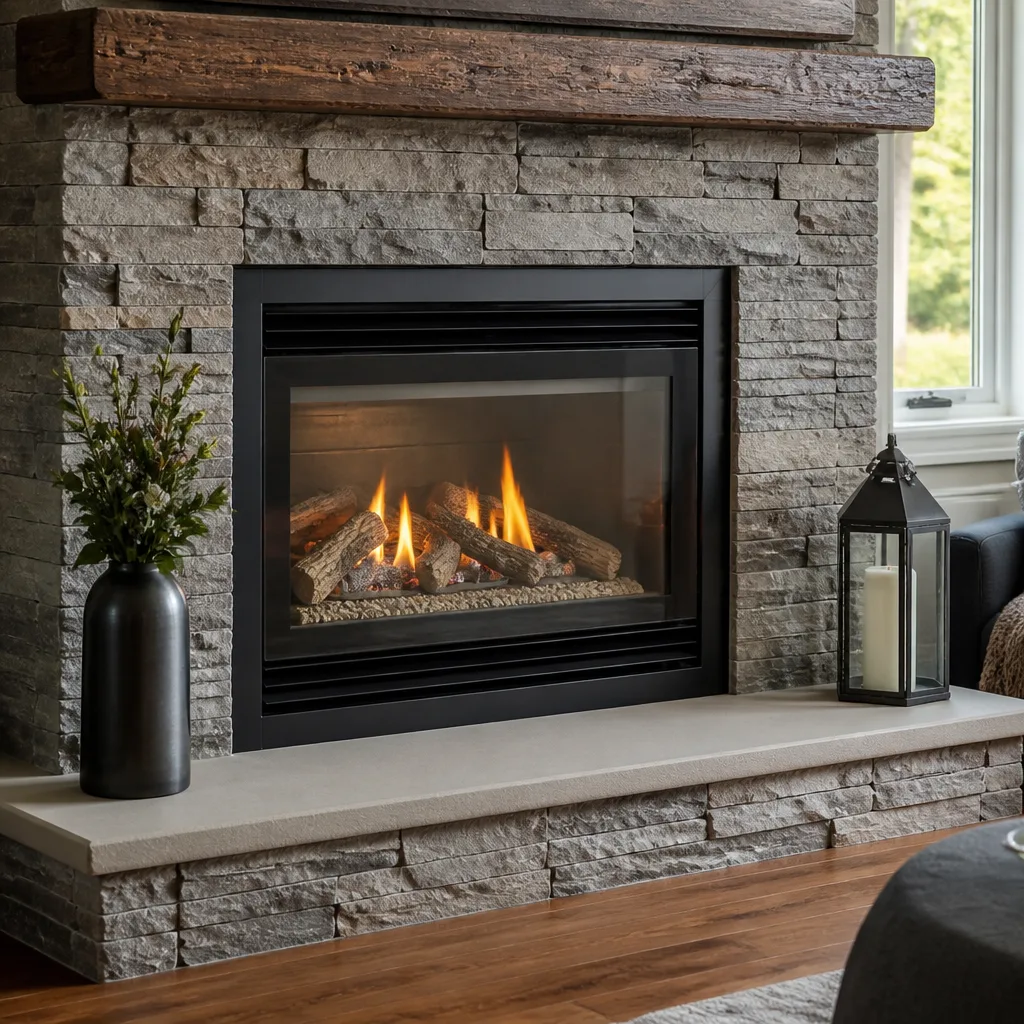
 Gas fireplace service
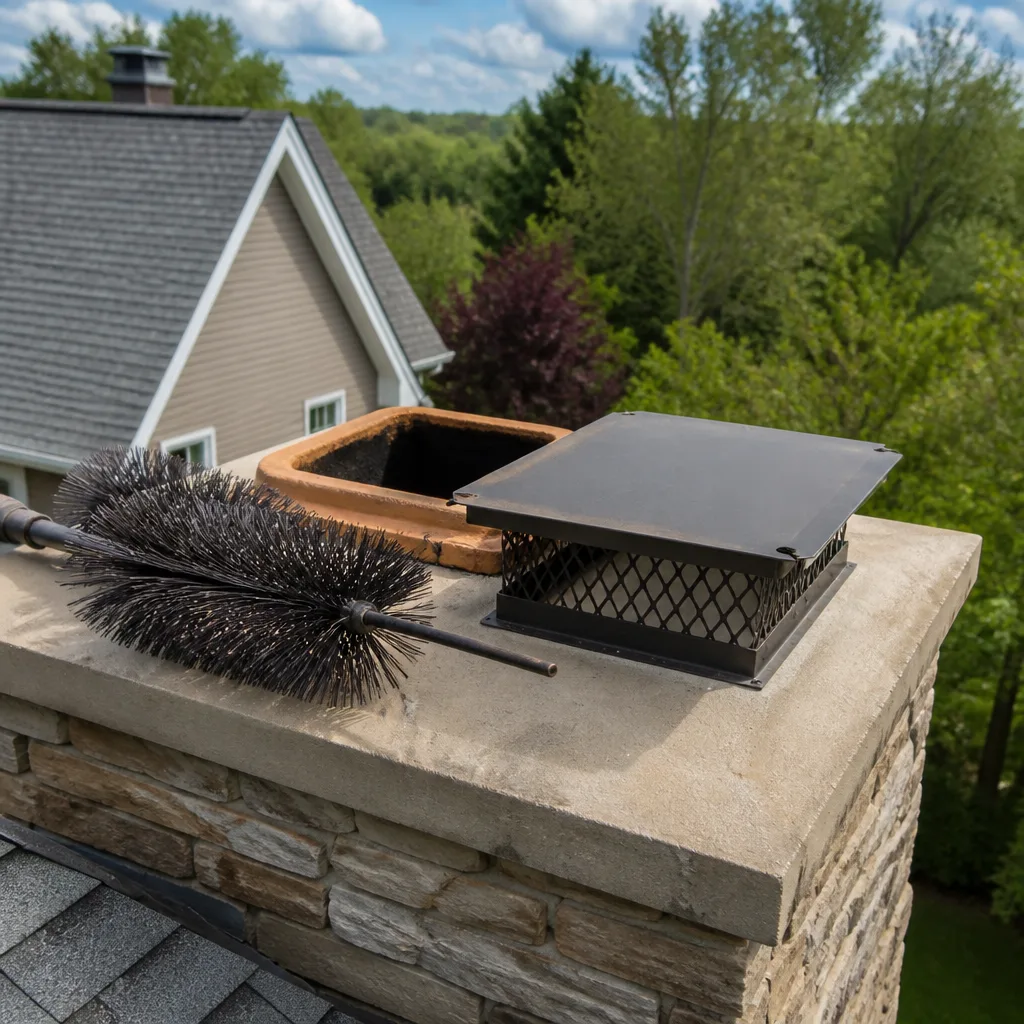 Sweep & inspection
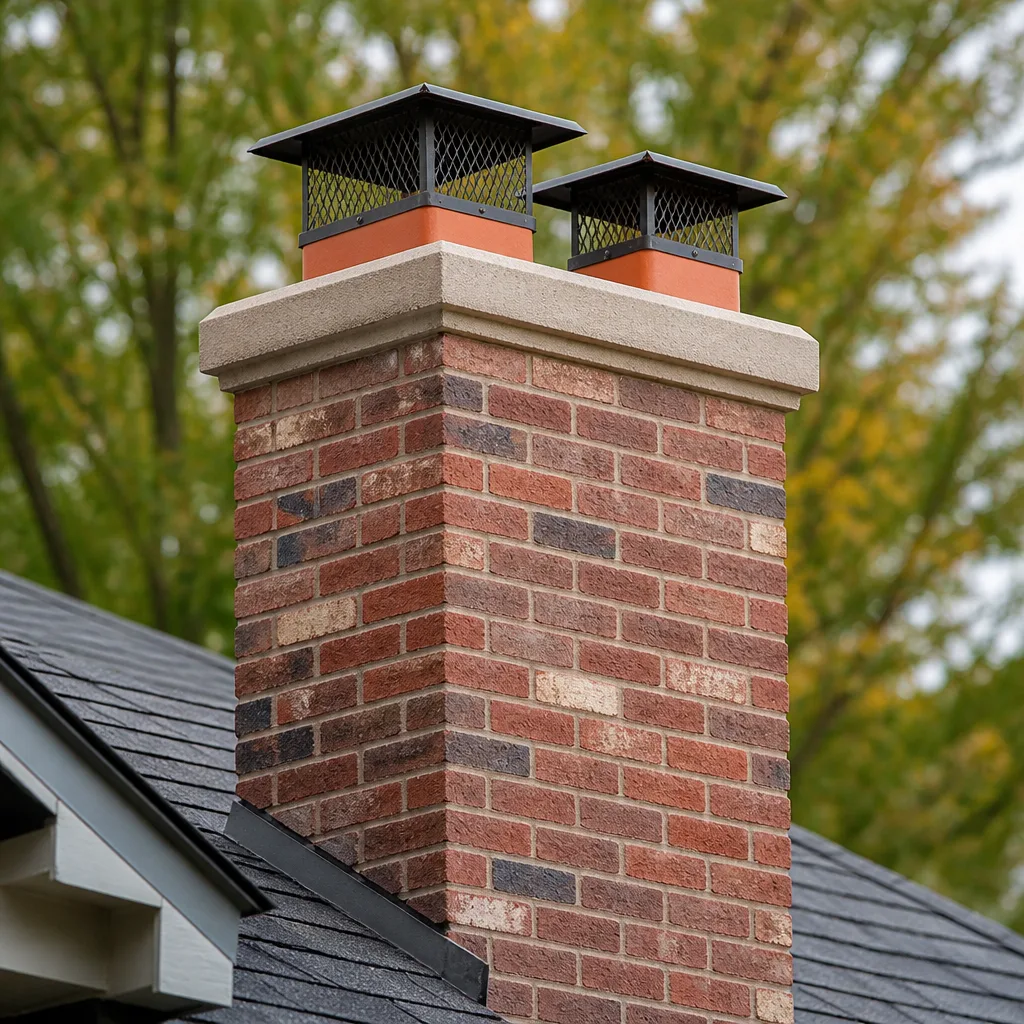 Caps & crowns
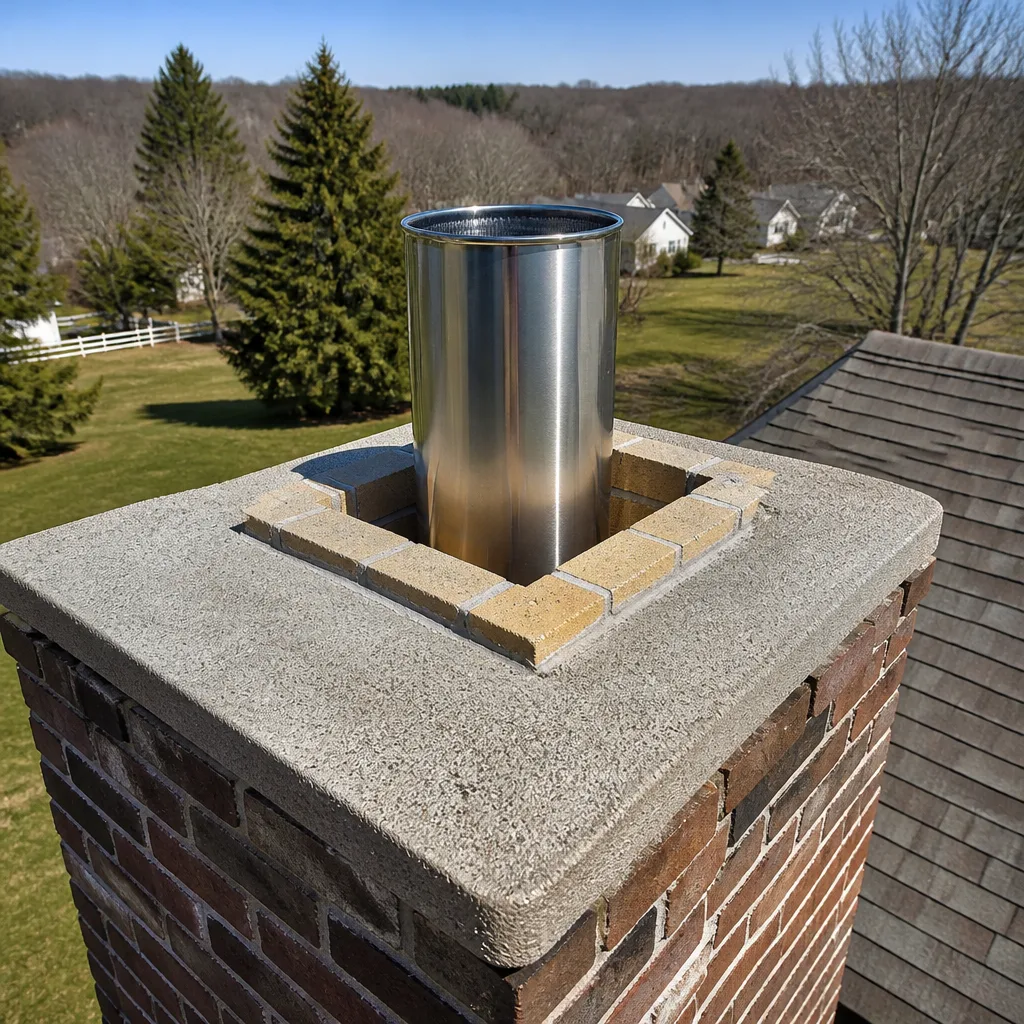 Flue relining
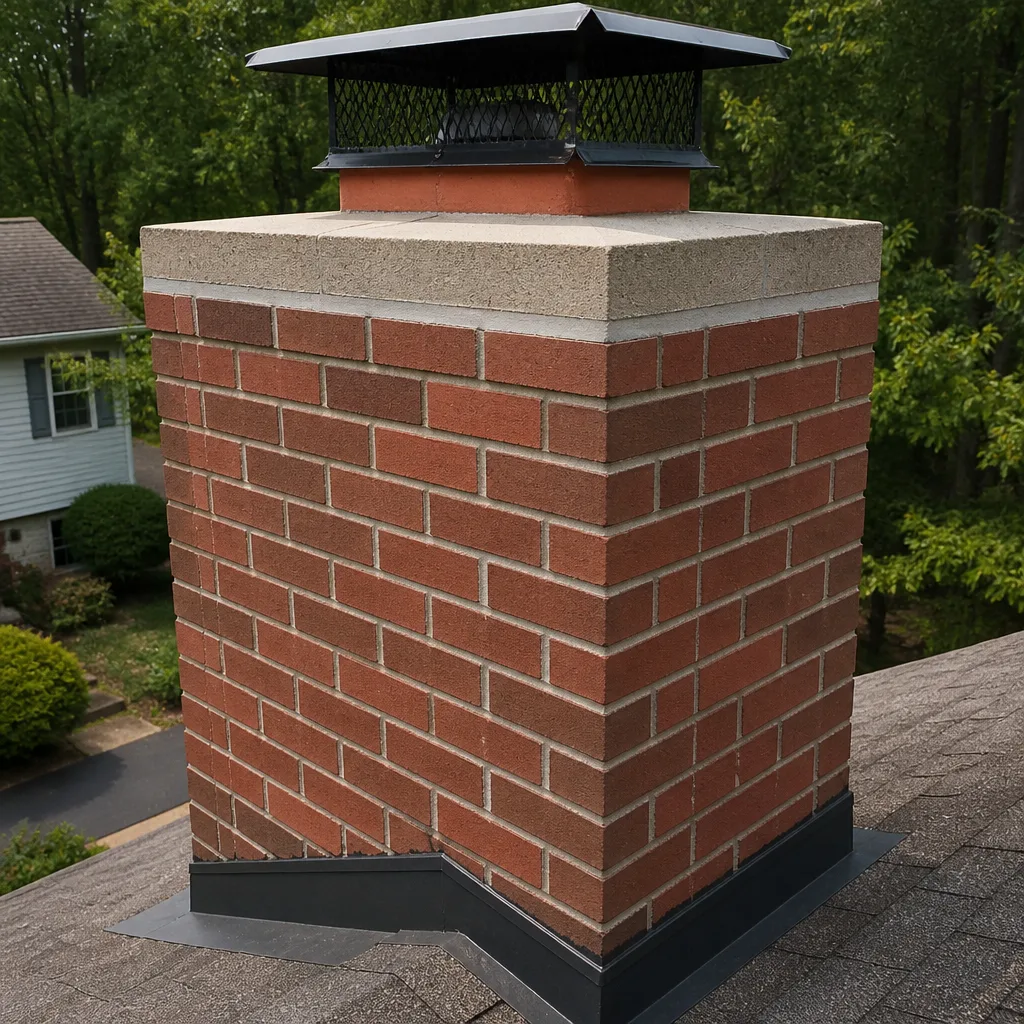 Masonry repair
Level 1 sweep and inspection to the NFPA 211 annual standard - flue, crown, cap, and flashing checked and photographed
Chimney sweep logs do not sweep chimneys. They loosen some creosote - which then falls where a brush and vacuum still have to collect it.
Why Dilworth Homeowners Choose DuraFlex Chimney Cleaning
We provide independent DuraFlex chimney cleaning service in Dilworth, and what sets our work apart is familiarity with how these stainless liners actually behave in older masonry chimneys. DuraFlex is a flexible stainless steel chimney liner, and in Dilworth’s pre-1950 brick fireplaces the liner is usually the newest part of the system, installed to bring a cracked clay flue back into service. We clean, inspect and repair DuraFlex liners with the technique the corrugated stainless actually requires, not a standard flue-brush pass.
Dilworth is one of Charlotte’s oldest streetcar suburbs, and most of the chimney work here happens on original solid-masonry fireplaces in Craftsman bungalows and American Foursquares. That means clay tile flues that have cracked, cast-iron dampers rusted shut, and fireboxes that need repointing. When a DuraFlex liner sits inside one of those chimneys, the surrounding masonry still matters: a top plate that leaks or a crown that’s spalling will send water down the outside of the stainless and undo the liner’s whole purpose. We treat the liner and the chimney around it as one system.
To be clear about who we are: we’re an independent DuraFlex service provider. We are not affiliated with or authorized by DuraFlex, and we don’t speak for the manufacturer. What we offer is hands-on service on DuraFlex liners and the chimneys that hold them, plus a clear read on what’s failing and what can safely wait. Call (888) 378-0297 and we’ll book a visit.
Why Trust Chimney Sweep Dilworth for Your DuraFlex Chimney Cleaning?
Our technicians have up to 12 years of experience, and a good share of that has been spent inside chimneys where a flexible stainless liner is already in place. That hands-on history is what you’re hiring. We’ve seen how DuraFlex liners age in this climate: the insulation wrap that tears during a rushed install, the twist-lock joints that back off a quarter turn, the top plate that stops sealing after a few freeze-thaw cycles. Knowing the failure pattern makes the diagnosis faster and the fix more accurate.
We use quality parts that fit DuraFlex equipment. For liners, that means exact-match components where the geometry has to line up: top plates, caps, tee sections and joint hardware that seat correctly on the liner. A cap that doesn’t fit the liner top is worse than no cap at all, because it looks protected while water finds its way in.
Warranty-safe service matters too. We work in a way that respects the liner as installed: no aggressive wire brushing that scratches the stainless, no cutting or modifying the liner to make a component fit, and no repair that leaves a joint or seal in worse shape than we found it. We document what we find before we recommend anything, so you can see the condition of your liner yourself and decide with real information in front of you.
Styles & brands we work with
- Sweep & inspection
- Caps & crowns
- Flue relining
- Masonry repair
- Gas fireplace service
Common DuraFlex Chimney Cleaning Problems We Fix in Dilworth
DuraFlex liners are durable, but they fail in predictable ways, and Dilworth’s humid subtropical climate, with damp winters and muggy summers, speeds several of them up. Here are the problems we run into most.
- Insulation wrap degrading or torn during install. The pre-insulated wrap on a DuraFlex liner exists to keep the flue gases hot so creosote doesn’t condense on the cold outer wall. When that wrap gets torn or compresses during installation, the exposed section runs cooler, creosote collects there, and you get a hidden fire risk in a spot you can’t see from the firebox. A camera inspection is the only reliable way to find it.
- Twist-lock joints working loose or not fully seated. The twist-lock joints are what hold liner sections together. If a joint wasn’t fully seated at install, or it backs off over a few heating seasons, the sections separate slightly. Creosote and smoke then leak behind the liner and into the chimney cavity, which shows up as a smoky smell or staining around the damper frame rather than at the firebox.
- Top plate and rain cap seals failing. The top plate is the seal where the liner exits the crown, and the cap sits above it. Both take the weather. When the sealant breaks down or the cap stops seating over the liner top, rainwater runs down the outside of the stainless liner and rusts the firebox or the crown. This is one of the most common reasons a liner “suddenly” starts causing problems.
- Soot and creosote bridging the corrugations. Flexible liner has a corrugated wall, and creosote catches in those ridges. Standard brushing glides over the top of a bridged section and leaves the deposit behind. Clearing it takes a correctly sized poly brush worked with the corrugation rather than against it. A stiff wire brush can scratch the stainless, so the brush choice matters.
- Debris and animal nests from the tree canopy. Dilworth’s mature willow oaks and oaks drop leaves and send squirrels and chimney swifts into uncapped flues every fall. In a lined chimney, that debris stacks on top of the liner and blocks the flue. Many calls here turn out to be nest-and-debris removals rather than creosote sweeps, and a properly fitted cap is the long-term answer.
DuraFlex Parts & Our Repair-vs-Replace Approach
For DuraFlex liners, exact-match components are worth using. The twist-lock geometry has to line up for a joint to hold, and a top plate has to match the liner’s outside diameter to seal. That’s why we specify OEM or exact-match parts for top plates, caps, tee sections and joint clamps. For wear items like caps and dampers, a quality aftermarket part does the job fine, and we’ll tell you which is which.
The repair-or-replace decision comes down to the condition of the stainless itself. A liner with one loose joint, or a top plate that’s stopped sealing, is usually worth repairing: reseat the joint, reseal or replace the plate, and the liner keeps working. Replacing a sound stainless liner because of a $40 seal is money wasted. A liner that’s crushed, kinked beyond use, or corroded through genuinely warrants replacement, and we’ll show you the camera footage so you can see why. We also say plainly when work can safely wait until before the next burning season instead of pushing it onto this visit.
If you’re not sure which side of that line your DuraFlex liner is on, call (888) 378-0297 and we’ll take a look. Estimates are free.
Our DuraFlex Service Process – Step by Step
- 1
Diagnosis. Every DuraFlex engagement starts with a Level 2 inspection. That means a camera run through the flue, a look at the top plate and cap from the roof, and a check of the firebox and damper. We’re looking specifically at the failure points above: wrap condition, joint seating, seal integrity, and creosote bridging the corrugations. You see the findings and the photos before we recommend anything.
- 2
Cleaning or repair. Depending on what the inspection shows, we clear creosote with a correctly sized poly brush, remove debris and nests, reseat loose joints, and reseal or replace a failed top plate or cap. Where a section needs replacing, we use exact-match components that fit the DuraFlex liner.
- 3
Test. After the work, we re-run the camera, confirm the joints are tight and the seals are sound, and check draft under a smoke test. A chimney isn’t ready until the liner is clean, sealed and drawing properly.
- 4
Warranty and records. We document the work with before-and-after photos and a written record of what was done. That record is what you’d want on hand if a warranty question ever comes up, and it saves the next technician from starting from zero.
See the difference
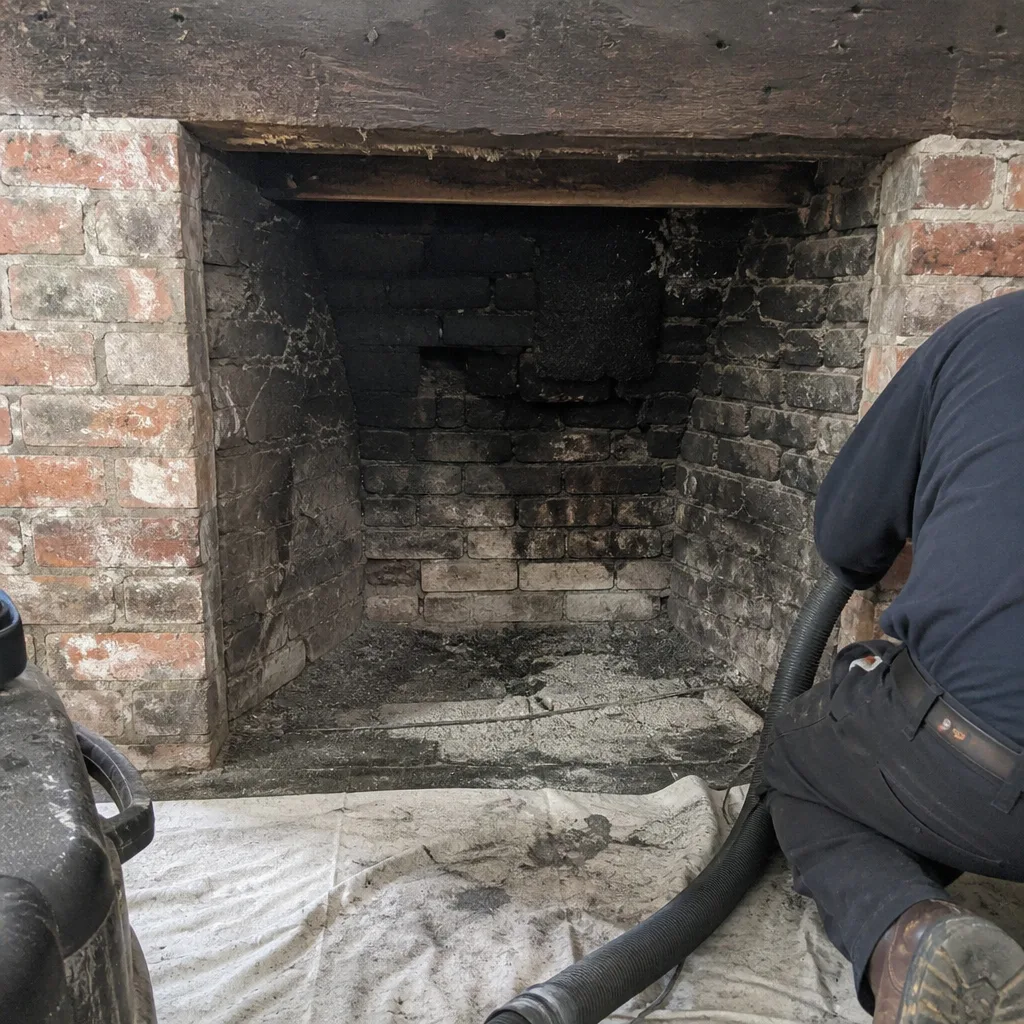 Before
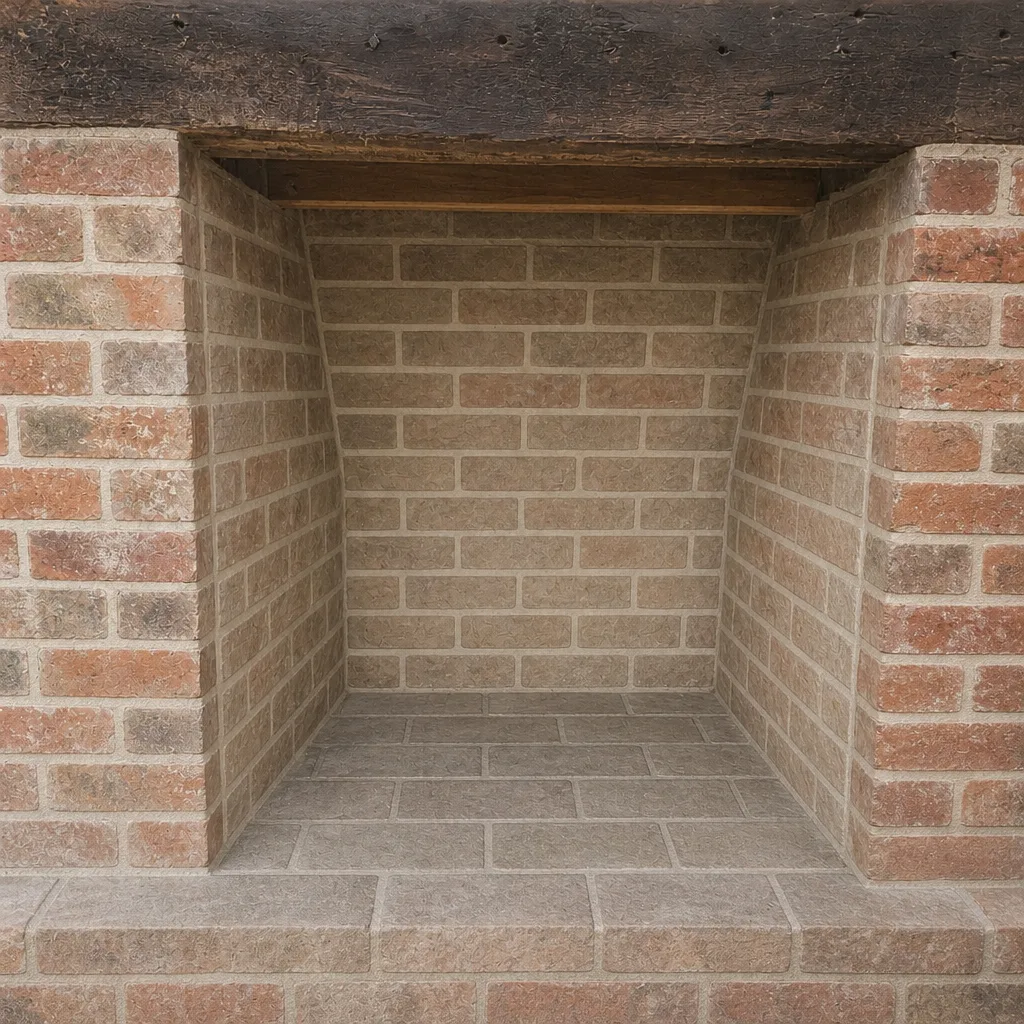 After
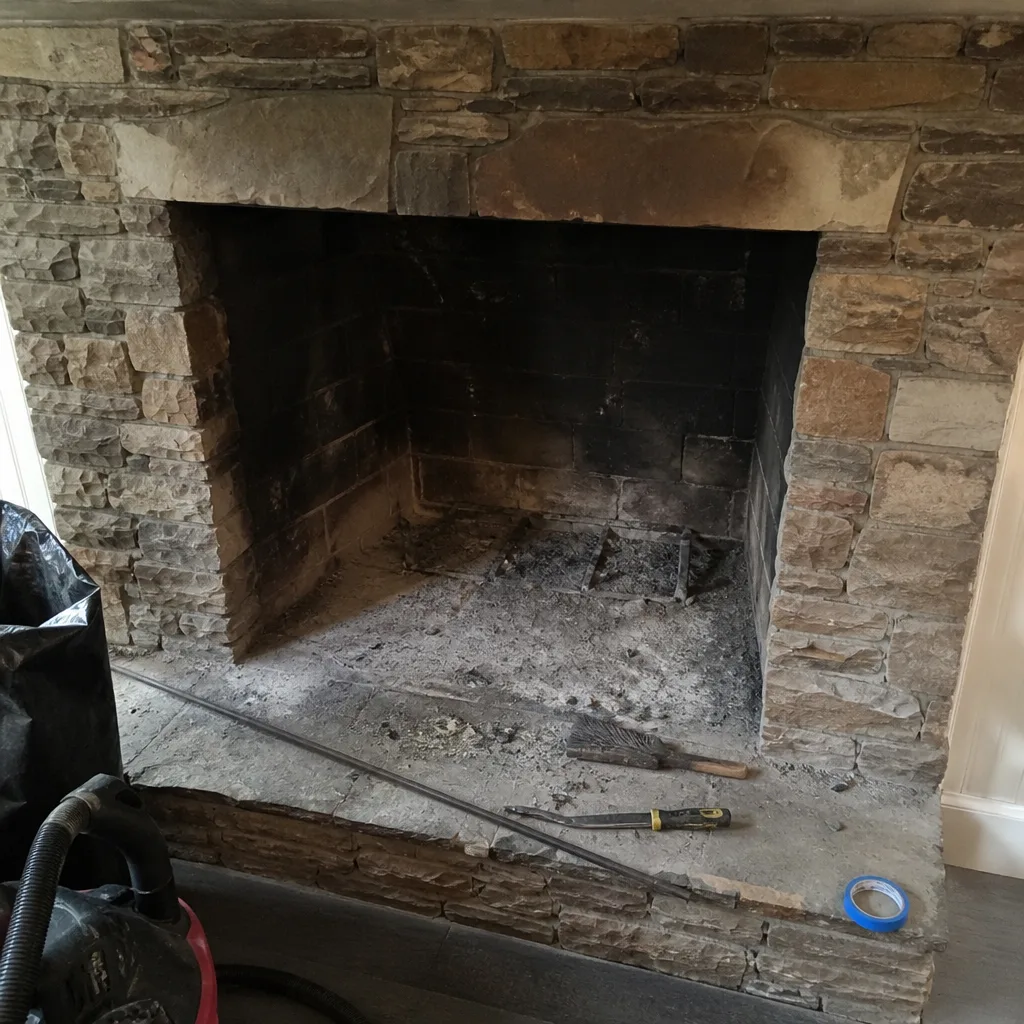 Before
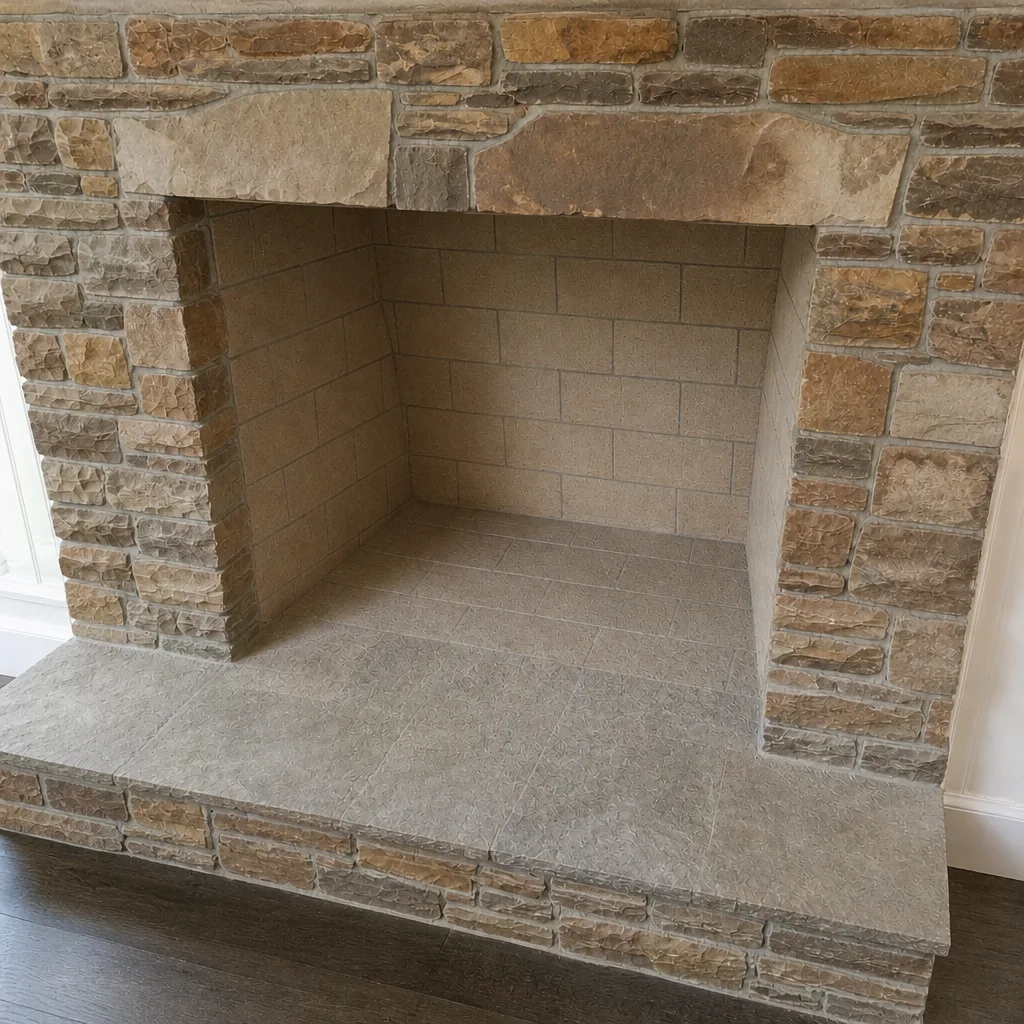 After
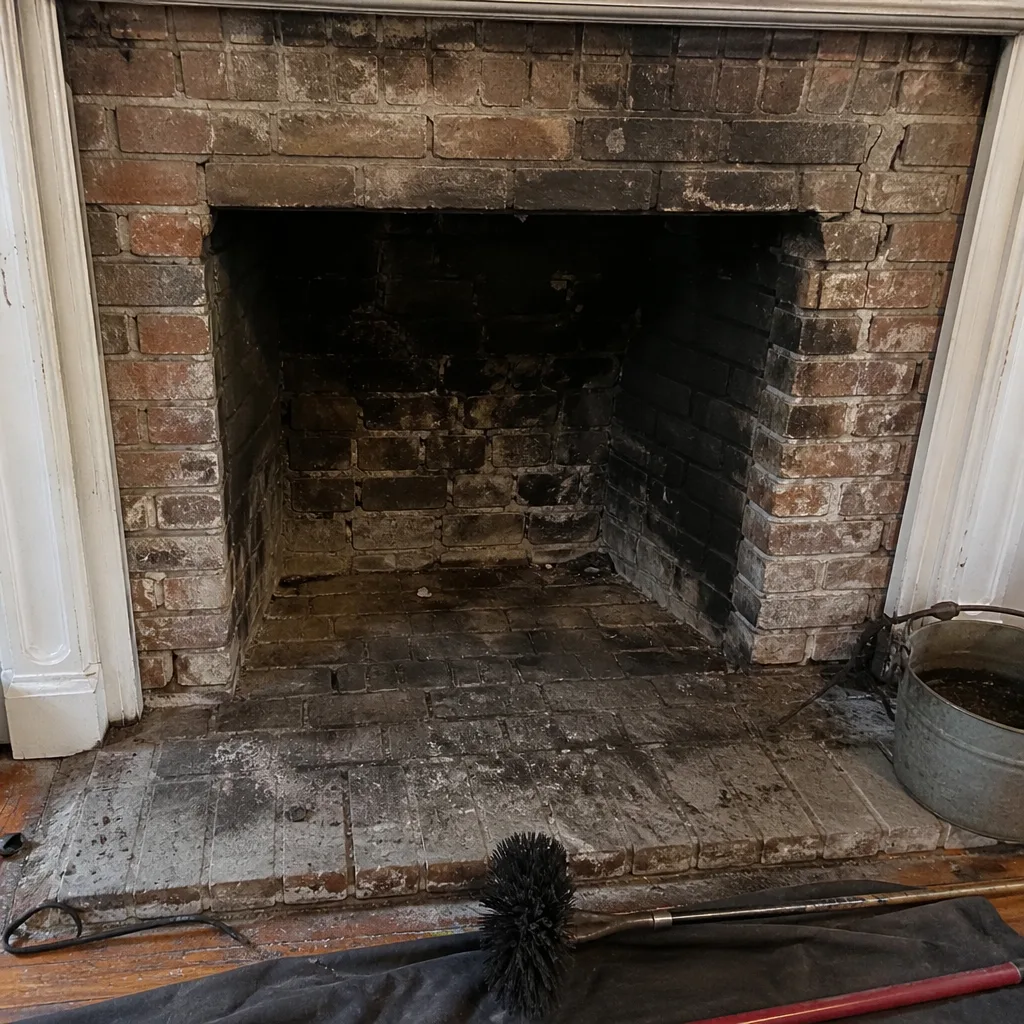 Before
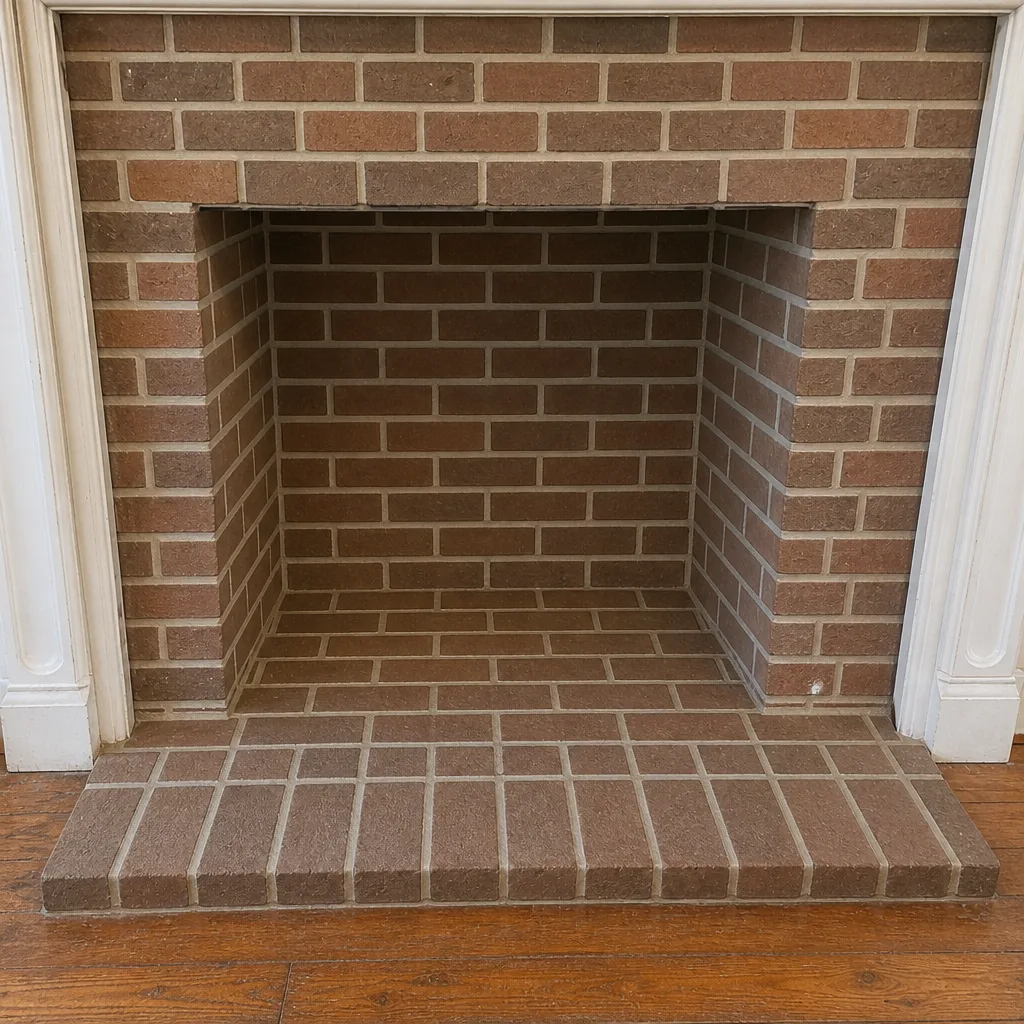 After
DuraFlex Products We Service & Install in Dilworth
We service and install DuraFlex flexible stainless steel chimney liners, including 316L stainless steel liner kits, the 304L stainless steel liner used for wood-burning fireplaces, insulated liner systems with pre-insulated wrap, and flexible relining kits that use a twist-lock tee and top plate. For a Dilworth fireplace, the choice between these depends on the fuel and the chimney: a wood-burning fireplace with a correctly sized flue has different needs than one where the original clay tile has cracked and the liner has to carry the full job. We’ll walk through which type suits your chimney and why, and we won’t push a reline when a properly installed liner is already doing its work. Where a liner is sound, cleaning and inspection are the whole job.
We Also Service These Brands
DuraFlex is one part of the picture. We also work with HeatShield ceramic resurfacing for restoring flue integrity without a full liner replacement, and with Gelco caps and venting components for the top of the system. A chimney often needs more than one of these at once, and having them under one service means no coordinating between trades and no gap in accountability. If your chimney has a HeatShield-treated flue and a DuraFlex liner above it, we handle both.
FAQs – DuraFlex Chimney Cleaning Service in Dilworth
No. We’re an independent DuraFlex service provider, not affiliated with or authorized by the manufacturer. That independence is deliberate: it means our recommendations come from what we find in your chimney, not from an obligation to the brand. We work on DuraFlex liners because they’re common in Dilworth-area chimneys and we know how they fail.
Yes. For DuraFlex liners we use exact-match components where the geometry has to line up: top plates, caps, tee sections and joint hardware sized to the liner. For wear items like caps and dampers, a quality aftermarket part is fine. We don’t claim to stock OEM DuraFlex parts; when a part has to match the liner exactly, we source it to fit.
Most DuraFlex cleaning and inspection visits are done in a single appointment, typically a few hours depending on flue length and how much creosote is bridged in the corrugations. A repair like a top plate replacement or a reseated joint adds time, and a full reline is a separate job with its own estimate. We’ll give you a realistic window before we start.
We service and install DuraFlex flexible stainless steel liners, including 316L liner kits, 304L liner for wood-burning fireplaces, insulated liner systems, and flexible relining kits with twist-lock tee and top plate. We don’t invent model lines beyond the liner itself, because the liner is the product. If you’re not sure what’s in your chimney, a Level 2 inspection will tell you.
Proper service shouldn’t void a DuraFlex warranty, and we work in a way that respects the liner as installed: no aggressive wire brushing, no cutting or modifying the liner, no repair that leaves a joint or seal in worse shape. We document the work with photos and a written record. If a warranty question comes up, you’ll have the paperwork. For the manufacturer’s specific terms, check with DuraFlex directly; we don’t speak for them.
DuraFlex chimney cleaning in Dilworth typically runs a few hundred dollars for a standard sweep and inspection, with repairs like a top plate or cap replacement priced separately by the written estimate. A Level 2 inspection is included in the diagnosis, and the estimate is free. Costs rise when creosote is heavily bridged or debris has to be cleared from a blocked flue. Call (888) 378-0297 for an exact quote. Estimates are free.
Book Your DuraFlex Service in Dilworth, NC
If your Dilworth chimney has a DuraFlex liner and you’re due for a sweep, a Level 2 inspection, or a look at a top plate that’s stopped sealing, we’ll take it from here. We document what we find before we recommend anything, and the estimate is free. Call (888) 378-0297 to book your visit. We answer 24/7. Fast dispatch from 7am to 7pm, Sunday through Friday.
Written by the team at Chimney Sweep Dilworth.