
Last updated November 22, 2026
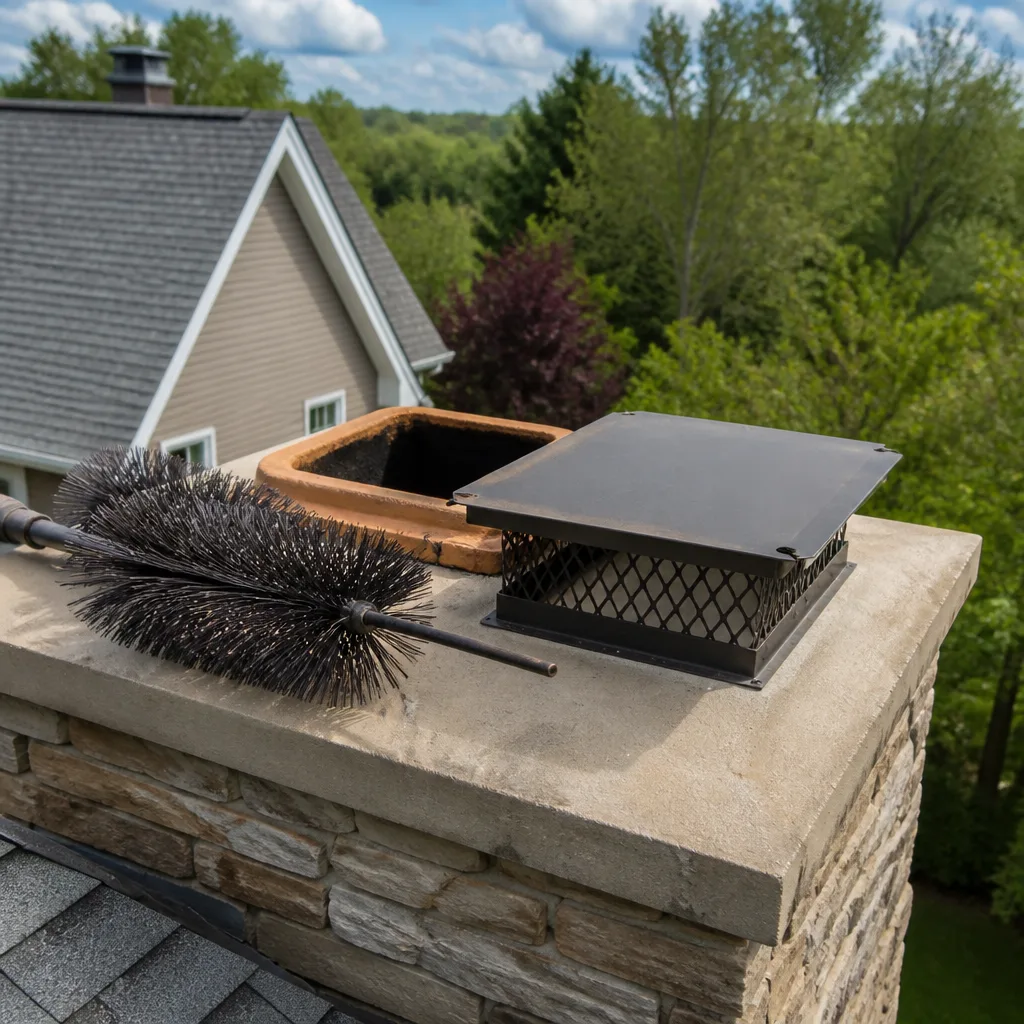 Sweep & inspection
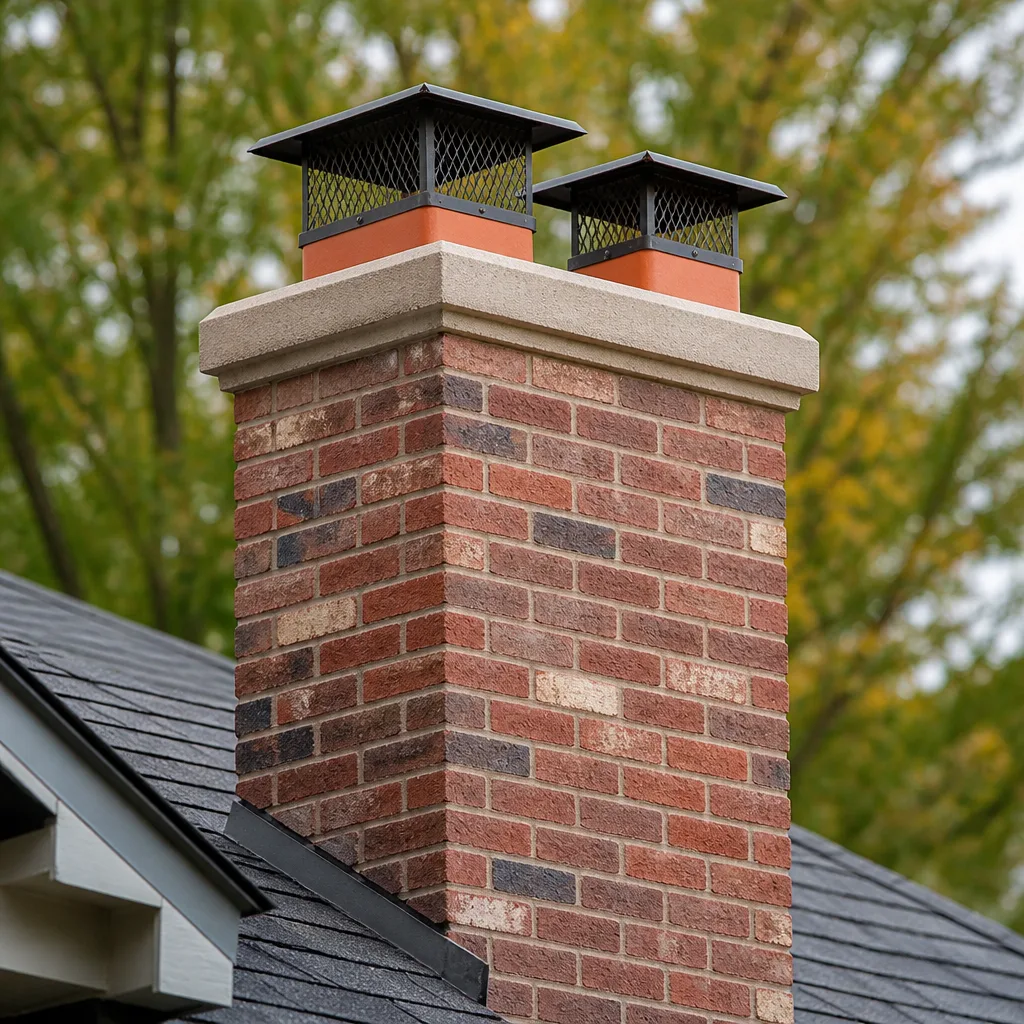 Caps & crowns
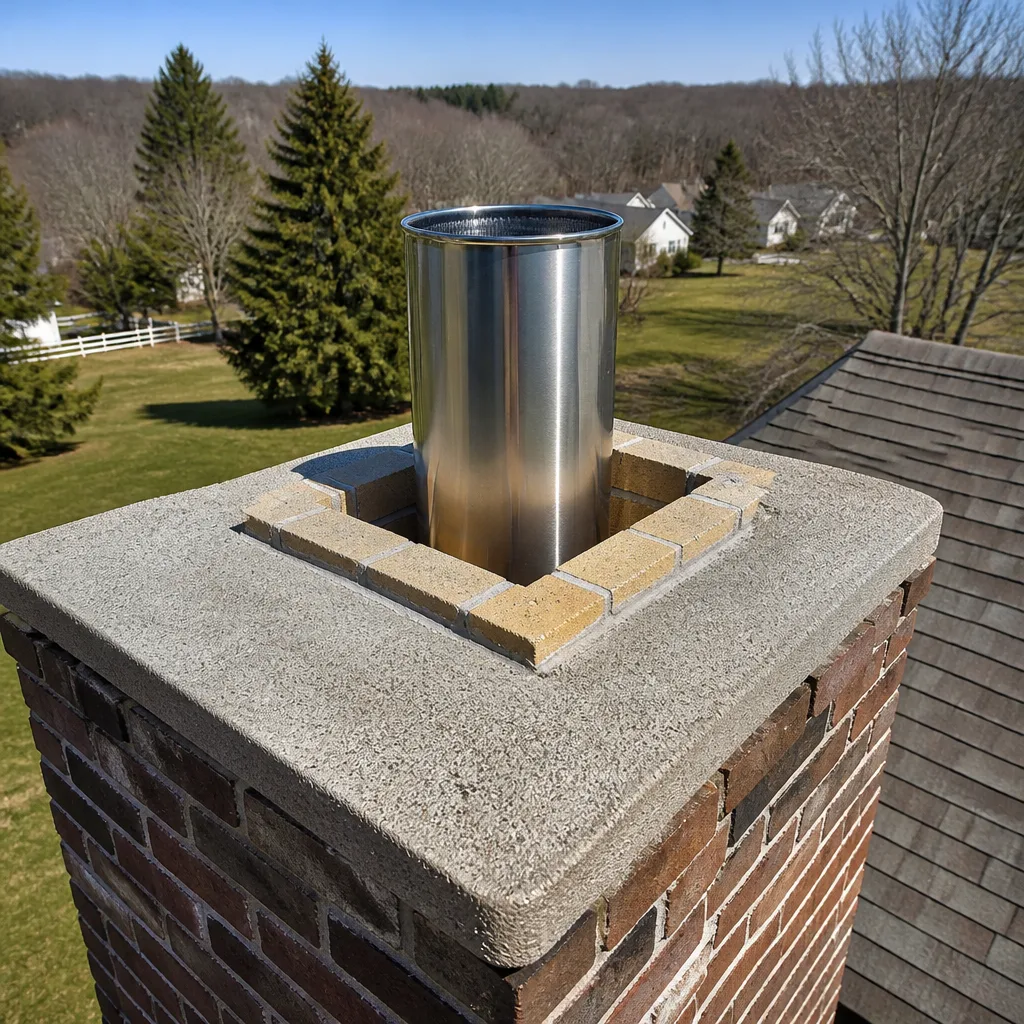 Flue relining
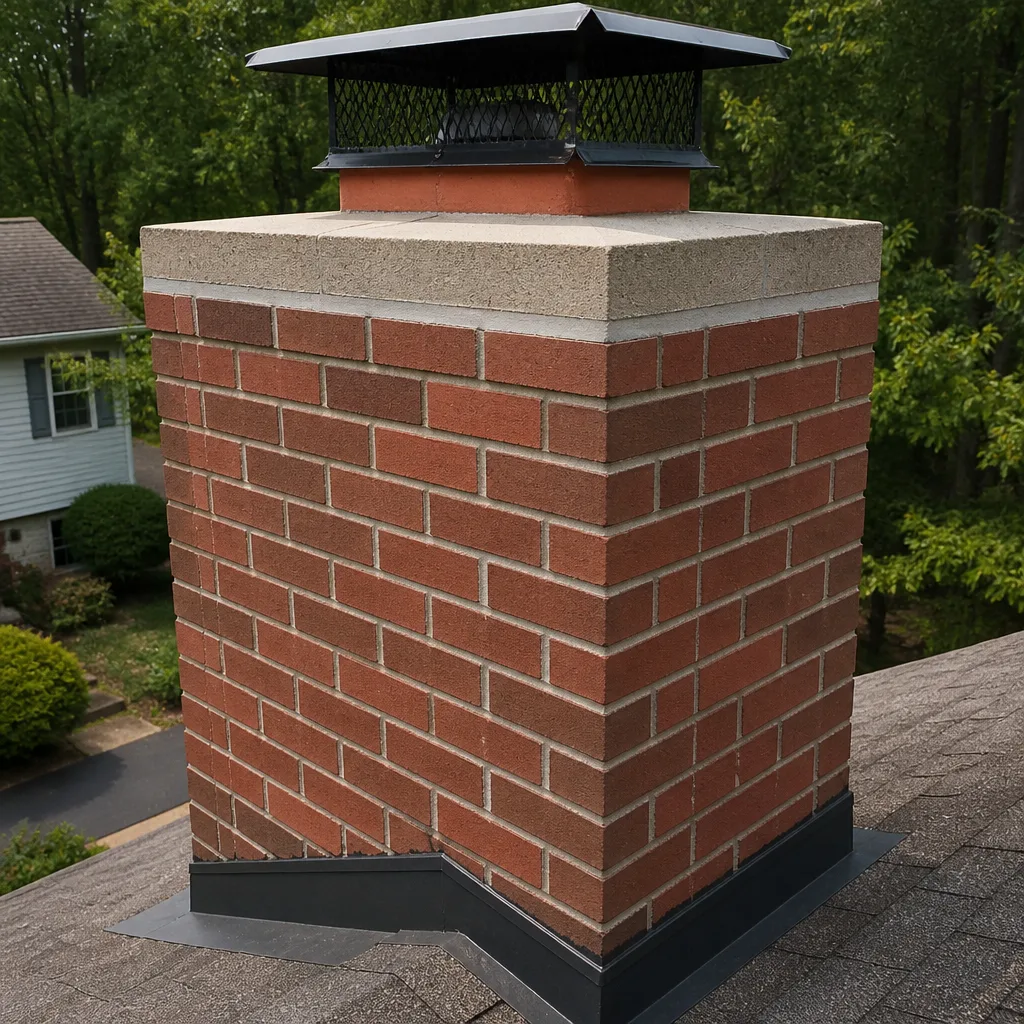 Masonry repair
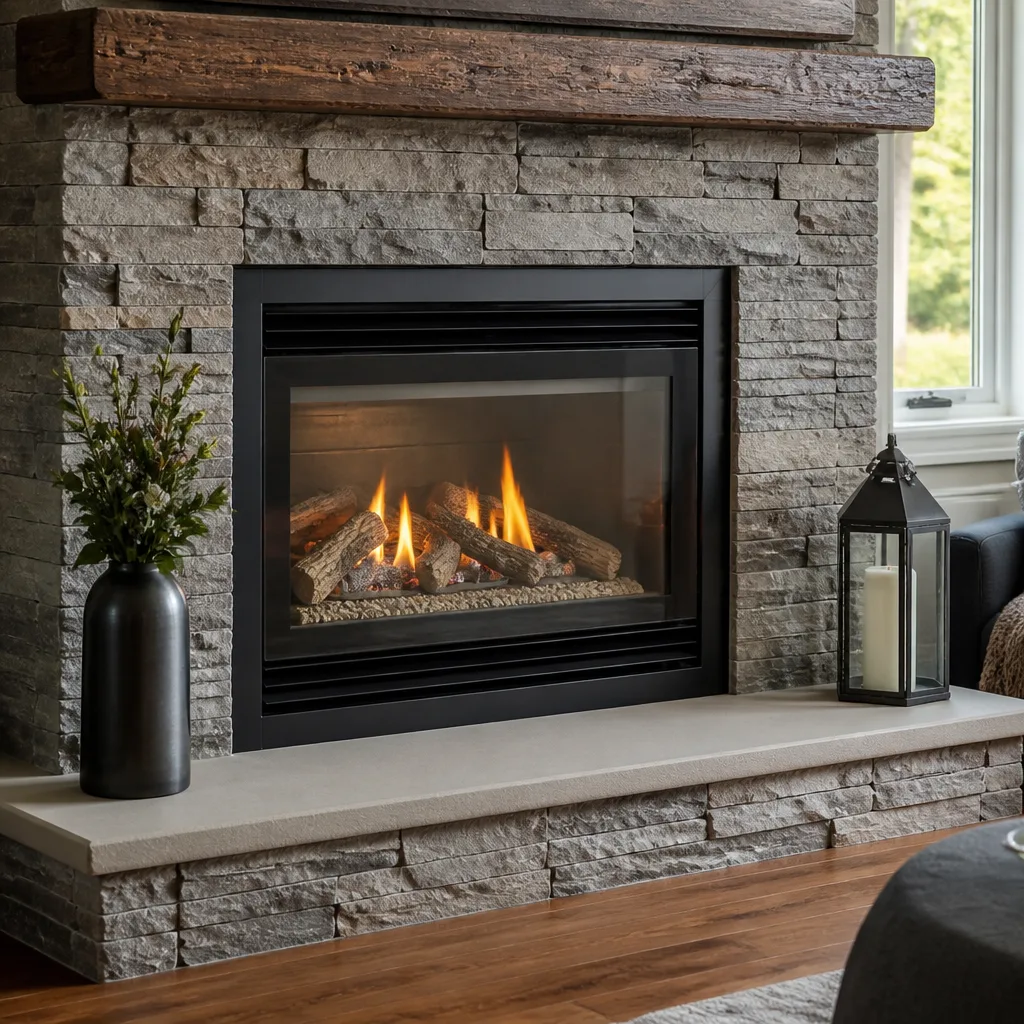 Gas fireplace service
Level 1 sweep and inspection to the NFPA 211 annual standard - flue, crown, cap, and flashing checked and photographed
Chimney sweep logs do not sweep chimneys. They loosen some creosote - which then falls where a brush and vacuum still have to collect it.
Seasonal Chimney Cleaning Care for Dilworth: Year-Round Homeowner’s Guide
Chimney damage in the Carolinas happens more in July than in January. That surprises most homeowners, and it changes how you should think about maintenance. Summer humidity pushes moisture into uncapped flues, masonry absorbs and releases heat for six straight months, and by the time you light your first fire in October, much of the deterioration has already taken hold. A single annual sweep catches part of this cycle but misses most of it. This guide walks through what each season actually demands from a chimney in Dilworth, what you can monitor yourself from grade, and how to time professional work so one visit protects the system year-round.
Styles & brands we work with
- Sweep & inspection
- Caps & crowns
- Flue relining
- Masonry repair
- Gas fireplace service
Quick Answer
Seasonal chimney care in Dilworth means matching the work to the season: protect the cap and crown before summer humidity, address mortar and flashing in fall before the burn season, sweep and inspect before the first fire, and check mid-season if you burn more than three cords or use the fireplace more than 50 times. One annual sweep is a starting point, not the whole plan.
Table of Contents
- Why Dilworth’s Climate Makes Chimney Care Seasonal
- Spring: What to Inspect and Protect When the Burn Season Ends
- Summer: How Heat and Humidity Accelerate Mortar Joint Failure
- Fall: The Pre-Season Checklist and the Order That Matters
- Winter: Mid-Season Checks for Heavy Users
- Cap and Crown: The Two Components That Decide Water Damage
- How Seasonal Timing Extends Chimney Life
- Common Mistakes to Avoid
- When to Call a Professional
- Frequently Asked Questions
- The Bottom Line
Why Dilworth’s Climate Makes Chimney Care Seasonal
Dilworth sits in a climate that runs two very different stress cycles a year, and the chimney feels both. From roughly May through September, the air is hot and humid. From October through March, the home burns wood and the flue runs hot and cold in cycles as fires start, burn down, and cool overnight. Each cycle attacks a different part of the system: humidity works on masonry and the flue’s interior surface, while the burn season works on creosote buildup and thermal expansion.
Consider what happens to a mortar joint over a single year. In summer it absorbs moisture from the air and from rain driving against the chimney. In fall and winter, the fire side of the chimney heats while the exterior stays cold, and the joint expands and contracts repeatedly. Repeat that six months of the year and hairline cracks open, then widen. Water gets in, freezes on the occasional cold snap, and opens the joint further. That cycle is why a chimney that looked fine in April can show real deterioration by the following spring.
An uncapped flue makes this worse. Without a proper cap, rain enters the flue directly, and humid summer air moves freely down the chimney. A cap sourced from a professional line like Gelco or Famco keeps rain out while still allowing the flue to breathe. Getting that protection in place before summer, not after, is the single most cost-effective seasonal move a Dilworth homeowner can make.
In our experience, the homes that avoid expensive repairs are the ones where the homeowner thinks in seasons rather than in one annual appointment. That shift alone changes what gets caught and when.
Spring: What to Inspect and Protect When the Burn Season Ends
Spring is the window when you inspect what winter did and get protection in place before the humidity arrives. The order matters: look first, then protect. If you cap a chimney before inspecting it, you’ve sealed in whatever the burn season left behind.
Here’s the spring sequence we recommend:
- Get a professional inspection while the weather is mild. A camera inspection shows the interior of the flue, the smoke chamber, and the firebox at a level you can’t see from the ground. Ask for the photo report so you can see what the technician sees.
- Confirm the cap is intact and sized correctly. A cracked, missing, or undersized cap lets rain and animals in. This is the highest-priority fix before summer.
- Check the crown for cracks. The crown is the concrete or masonry top surface that sheds water away from the chimney. A cracked crown channels water straight into the masonry below it.
- Look at the flashing where the chimney meets the roof. Failed flashing shows up as staining on the ceiling below or damp masonry on the chimney’s exterior.
- Note any efflorescence, the white powdery staining on exterior brick that signals moisture moving through the masonry.
Spring is also the right time to schedule a chimney sweep if you didn’t sweep at the end of the burn season. Removing creosote in spring rather than fall means the flue sits clean through the humid months, which reduces the corrosive effect of creosote absorbing moisture.
If your inspection turns up a cracked crown or a failing cap, that falls squarely under chimney cap & crown work, and it’s the kind of repair that should happen before summer, not after. A masonry crown rebuilt with proper slope and a cap installed over the flue together keep the water out. Defer either one and the summer humidity finds the gap.
Summer: How Heat and Humidity Accelerate Mortar Joint Failure
Charlotte’s summer heat and humidity are the reason chimney damage in this region often happens without a single fire being lit. The mechanism is straightforward: masonry is porous. Brick and mortar absorb moisture from humid air and from any rain that reaches the chimney. When the masonry dries, it releases that moisture outward. In a humid climate, the absorption side of that cycle runs longer and harder than the drying side.
What a homeowner can monitor from grade, without climbing anything:
- White staining on brick (efflorescence). This is the visible sign that moisture is moving through the masonry. It’s not cosmetic; it’s telling you water is passing through.
- Crumbling or receding mortar joints. Look at the joints between bricks with binoculars. If the mortar is recessed, powdery, or missing in spots, the joints are failing.
- Rust stains or streaks below the cap. Usually means the cap or its fasteners are letting water in.
- Damp spots on the ceiling or chimney breast inside the house, especially after a heavy rain. That points at flashing or crown failure.
- Musty smells from the fireplace in humid weather. Often a sign the flue is taking on moisture.
None of these require a ladder to spot. They do require looking, and they require knowing that July is when the damage is happening, not January. A chimney with a sound cap and a well-sloped crown sheds summer moisture the way it should. One with a cracked crown absorbs it.
The interior of the flue matters here too. A clay tile liner with cracks lets moisture into the masonry around it. When we find that, a HeatShield ceramic resurfacing can restore the flue’s integrity without a full liner replacement in the right conditions, and a DuraFlex flexible liner system is the professional-grade path when the existing liner is beyond resurfacing. Both decisions should follow a documented inspection, not a guess.
Fall: The Pre-Season Checklist and the Order That Matters
Fall is when most homeowners think about the chimney, and it’s the right time to act, provided the sequence is correct. The order that matters is: inspect first, then clean, then repair anything the inspection flagged, and only then light the first fire.
Here’s why the sequence holds:
- Inspection before cleaning. A camera inspection documents the flue’s condition, the smoke chamber, the firebox, and any cracks or gaps. If you clean first, you can lose evidence of where creosote was heaviest or where the liner is failing. We document what we find before we recommend anything.
- Cleaning before the first fire. Creosote left from last season accumulates at the top of the flue and along the smoke chamber. Burning a new season’s fire on top of it increases the load and, in the right conditions, the risk of a chimney fire. A cleaned flue starts the season with a known baseline.
- Repairs before the first fire. A cracked crown, a failed cap, or a compromised liner should be addressed before you burn, not in the middle of the heating season when you’d rather not take the chimney out of service.
- Test with a small fire. Once the chimney is clean and sound, a small fire confirms draft before you rely on it for warmth on a cold night.
In Dilworth, fall is also when the weather shifts and the fireplace becomes part of the daily routine again. That makes the pre-season inspection a natural anchor for the rest of the year’s care. If the inspection turns up fireplace repair needs in the firebox or damper, those can be scheduled before the first burn rather than discovered after it.
The brands we specify for this work are trade-only lines most homeowners don’t encounter at a big-box store: DuraFlex for liner systems, HeatShield for flue resurfacing, Gelco and Famco for caps and venting. They’re the same materials certified chimney specialists specify.
Winter: Mid-Season Checks for Heavy Users
Most homeowners need one pre-season service and one spring inspection. But if you burn more than three cords of wood a season, or use the fireplace more than 50 times, the mid-season picture changes. Creosote accumulates faster, especially with cooler fires or damp wood, and by mid-January the flue conditions may not match what the fall inspection showed.
What a mid-season check should cover:
- Creosote thickness in the flue, visible via camera. If it’s building faster than expected, you may need a mid-season sweep rather than waiting until spring.
- The firebox for cracks or gaps in the refractory, which can let heat reach places it shouldn’t.
- The damper for smooth operation. A sticking damper can push smoke into the room or make the fire hard to control.
- The cap and crown again, because winter freeze-thaw cycles can open cracks that weren’t there in October.
- Wood quality and moisture. Wet wood produces more creosote. A moisture meter on your split wood is a cheap way to protect the flue.
In our experience, the homes on the heavy-use list benefit from treating the chimney more like a seasonal system than a once-a-year appointment. A clean chimney is the starting point, not the finish line.
Winter is also when a chimney fire is most likely, because creosote is at its heaviest and fires are burning hottest. That’s not a reason for alarm; it’s a reason to know what your flue looks like mid-season if you’re burning heavily. A trained technician can assess that without guesswork.
Cap and Crown: The Two Components That Decide Water Damage
Of every component on a chimney, the cap and crown do the most to decide whether water gets in. They’re also the two most commonly skipped by sweep-only services. That’s the gap we close with a dedicated cap and crown service.
Here’s what each does:
- The cap covers the top of the flue. A proper cap keeps rain out, keeps birds and animals out, and keeps sparks off the roof. A missing or failed cap lets all of that in. We source caps from Gelco, Famco, and Olympia Chimney, brands specified by certified chimney professionals.
- The crown is the masonry or concrete surface that surrounds the flue and sheds water off the chimney’s top. It should slope away from the flue, not toward it. A cracked or flat crown channels water into the masonry below, and that water accelerates mortar joint failure.
The order to think about cap and crown: if the crown is sound, a good cap protects the flue. If the crown is cracked, the cap doesn’t fix the problem; water is getting in around it. Both should be assessed together during an inspection, and repaired before the summer humidity builds.
For a homeowner, the practical check is simple. From grade, look at the chimney top. Is there a cap over the flue? Does the crown look intact, or is there visible cracking or missing masonry? Any “no” or “unsure” answer is worth an inspection, particularly in spring.
How Seasonal Timing Extends Chimney Life
A chimney’s lifespan is decided less by how often it’s touched than by when it’s touched. The same number of service visits, scheduled against the seasonal stress cycle, do more to protect the system than the same visits scheduled randomly.
The seasonal rhythm we recommend for a Dilworth home:
- Spring (April – May): Inspection with a photo report. Address cap and crown before humidity. Sweep if not done at the end of the burn season. This is the moisture-defense window.
- Summer (June – August): Owner-side monitoring from grade: efflorescence, joint condition, interior dampness. Any finding is escalated to a professional. This is when hidden damage is happening, so the monitoring matters.
- Fall (September – October): Pre-season inspection, sweep, and repair of anything flagged. Sequence: inspect, then clean, then repair, then first fire. This is the burn-season-readiness window.
- Winter (November – March): Mid-season check if you burn more than three cords or use the fireplace more than 50 times. Confirm creosote load and look at the cap and crown again after freeze-thaw.
That rhythm splits the year into two protective phases, one defending against moisture and one preparing for fire. A single annual visit placed in fall catches the burn-season side and misses the moisture side. For a Dilworth chimney, that’s leaving half the year uncovered.
When a repair is needed, the choice of materials decides how long it lasts. A DuraFlex liner system or HeatShield resurfacing, or a Gelco or Copperfield cap, is built to last past the next heating season. That’s the point of using professional-grade materials: the repair holds across the cycle, not just until the next warm spell.
Sizing the right repair to the right season is what we help with when we inspect. We document what we find before we recommend anything, and we’ll tell you plainly when work can wait until spring.
Common Mistakes to Avoid
- Sweeping in fall without inspecting first. A sweep clears the flue but doesn’t show you the cracked crown or failing liner underneath. The inspection should come before the brush, every time.
- Waiting until you smell smoke to act. By the time a draft problem is obvious, there’s usually a documented cause that an earlier inspection would have caught. Fall is the time to look, not the night of the first cold snap.
- Skipping the cap because the chimney “looks fine” from the yard. A missing cap isn’t visible from the ground, and it’s the single biggest vector for summer water intrusion in a Dilworth climate.
- Burning wet wood to “save” a season. Damp firewood produces more creosote and more moisture in the flue. It costs you protection, not just heat output.
- Treating the crown as cosmetic. A cracked crown isn’t a look problem; it’s a water path into the masonry. It’s the most common cause of the interior dampness homeowners report after a heavy summer rain.
- Hiring a sweep-only crew and assuming the system is covered. Sweep-only work misses cap, crown, liner, flashing, and firebox. Full-system care is the difference between a clean flue and a protected chimney.
- Relying on one annual visit through a two-cycle climate. Dilworth’s summer humidity and winter burn season each do their own damage. One visit covers one of them.
When to Call a Professional
Some checks are yours to make from grade; others need a trained technician with a camera. Call a professional if you see efflorescence, crumbling mortar joints, rust streaks below the cap, damp ceilings after rain, or any visible crack in the crown. Call if you’ve had a chimney fire, even a small one, or if a fire has burned oddly or smoked into the room. Call before the first fire of the season if you didn’t get a spring inspection, and call mid-season if you’re burning heavily. And call before summer if your chimney has no cap or an obviously damaged cap, because the moisture window is the one most homeowners miss. Chimney Sweep Dilworth offers free estimates in Dilworth; call (888) 378-0297. We answer 24/7. Fast dispatch from 7am to 7pm.
Frequently Asked Questions
Once a year at minimum, timed to the burn season, and inspected once more in spring to catch moisture damage from the humid months. In a two-cycle climate like Dilworth’s, the annual sweep handles the fire side, but spring inspection is what catches the water side. If you burn more than three cords or use the fireplace more than 50 times, a mid-season check is worth adding. Call (888) 378-0297 for an exact quote – estimates are free.
If the crown is cracked or the cap is missing or failed, a sweep alone leaves the biggest water path open. The cap and crown are the two most common causes of water intrusion, and no amount of flue brushing addresses them. An inspection will show whether they need repair. Call (888) 378-0297 for an exact quote – estimates are free.
Because summer humidity drives moisture into masonry and uncapped flues for months, and the heat accelerates the expansion of mortar joints. The burn season runs hot and cold in cycles that compound the damage. By the time the first fall fire is lit, much of it is already done, which is why spring inspection and cap protection matter so much here. Call (888) 378-0297 for an exact quote – estimates are free.
White staining on the brick, receding or powdering mortar joints, rust streaks below the cap, damp spots on the ceiling or chimney breast after rain, and a missing or damaged cap if you can see the top of the flue. None of these require a ladder, and any one of them is worth an inspection. Call (888) 378-0297 for an exact quote – estimates are free.
No. A sweep cleans the flue; an inspection documents the condition of the flue, firebox, smoke chamber, cap, crown, and flashing, usually with a camera and photo report. The inspection comes before the sweep so the findings drive the cleaning and any repair recommendations. Call (888) 378-0297 for an exact quote – estimates are free.
Creosote accumulates through the burn season, moisture enters through any uncapped or crown-compromised path through summer, and the two compound. A chimney that would have needed a minor repair can end up needing liner work or masonry repair. It doesn’t always happen in one year, but the direction is one-way without intervention. Call (888) 378-0297 for an exact quote – estimates are free.
The Bottom Line
Seasonal chimney care in Dilworth is less about frequency and more about timing. Spring is the moisture-defense window: inspect, protect the cap and crown, and clean up after the burn season. Fall is the burn-season-readiness window: inspect first, sweep second, repair third, then light the first fire. Summer is when the quiet damage happens, and winter is when heavy users should check their flue mid-season. A single annual visit doesn’t cover a two-cycle climate; a seasonal rhythm does. The brands we specify, from DuraFlex liner systems to Gelco and Famco caps, are professional-grade because they’re built to last past the next heating season, not just until the weather turns. If you want a chimney plan matched to how you actually use your fireplace, start with an inspection. Call (888) 378-0297 for a free estimate. We answer 24/7. Fast dispatch from 7am to 7pm, Sunday through Friday.
For the full picture of Chimney Sweep Dilworth services, or to look at our fireplace repair and chimney cap & crown work in more detail, we’re glad to walk you through what each phase involves for your home.
Written by the team at Chimney Sweep Dilworth.
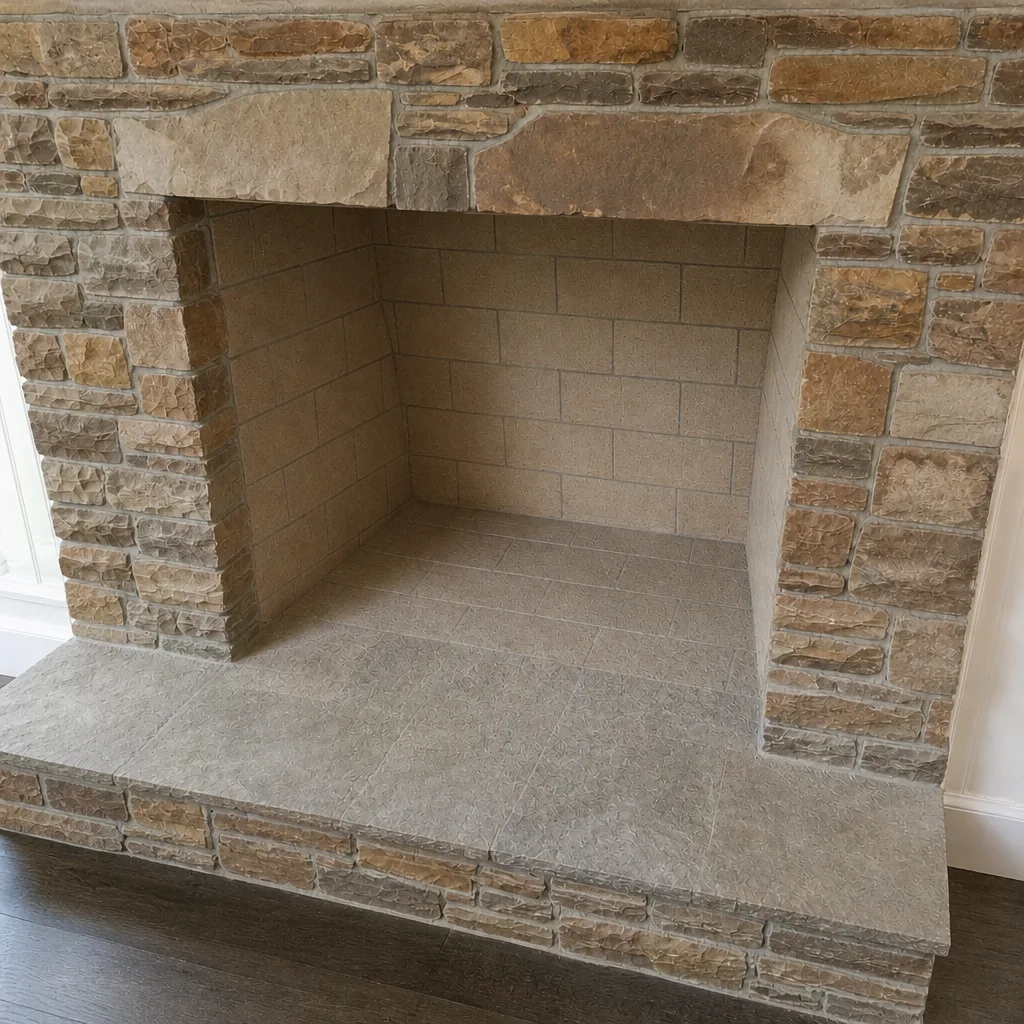
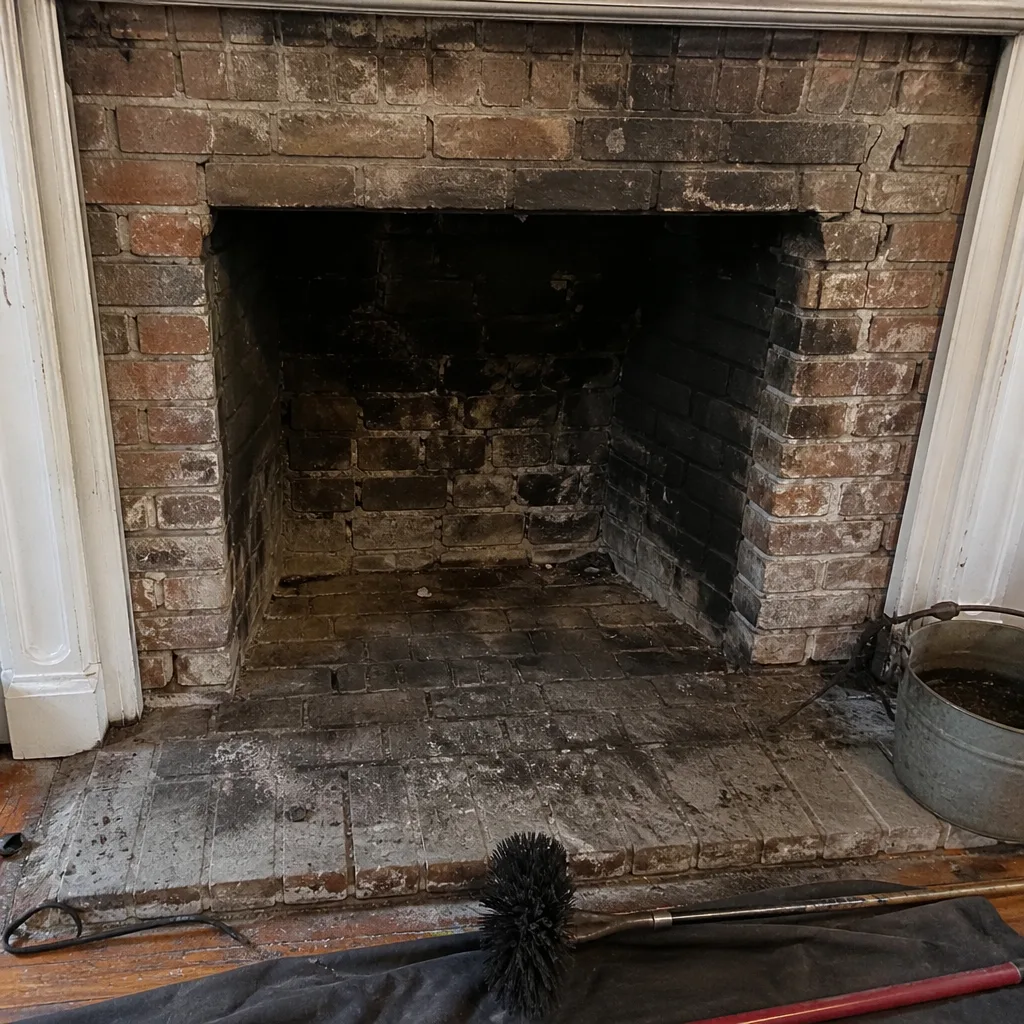
See the difference
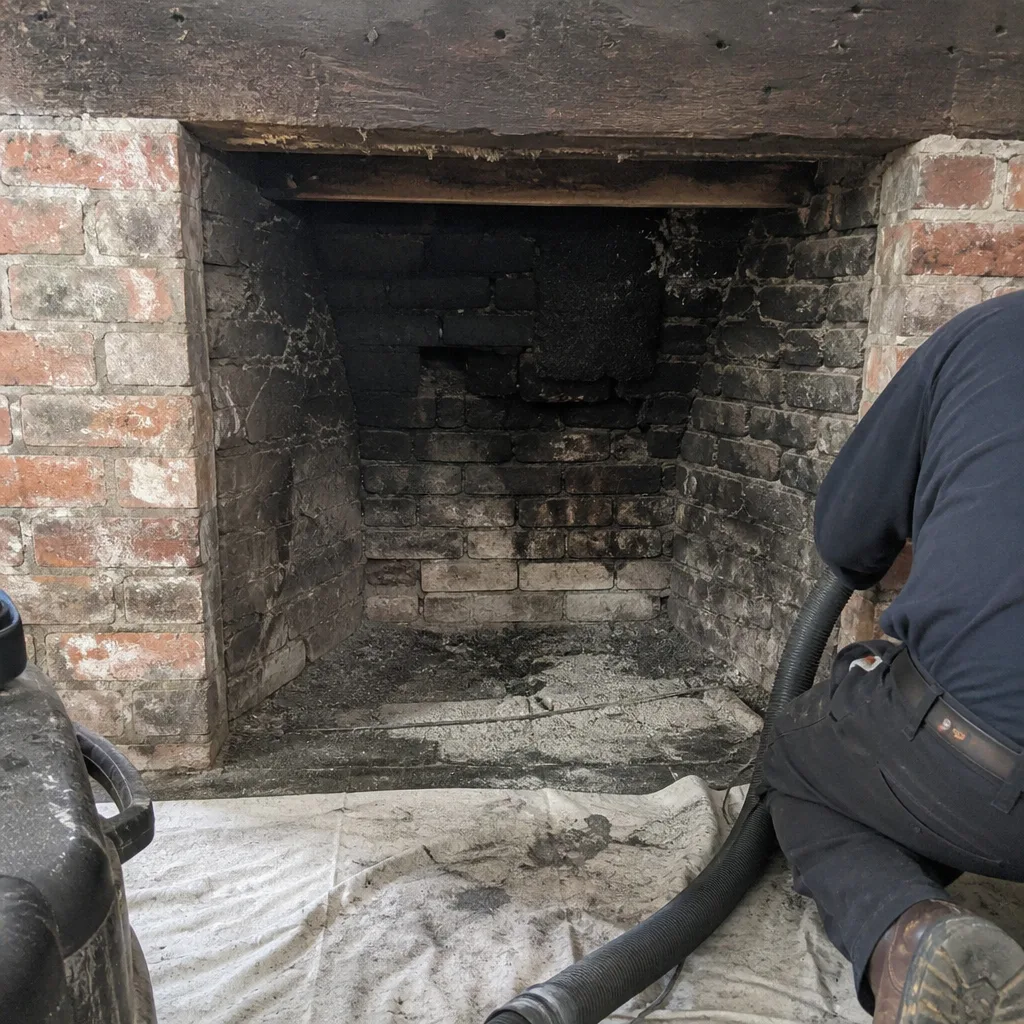 Before
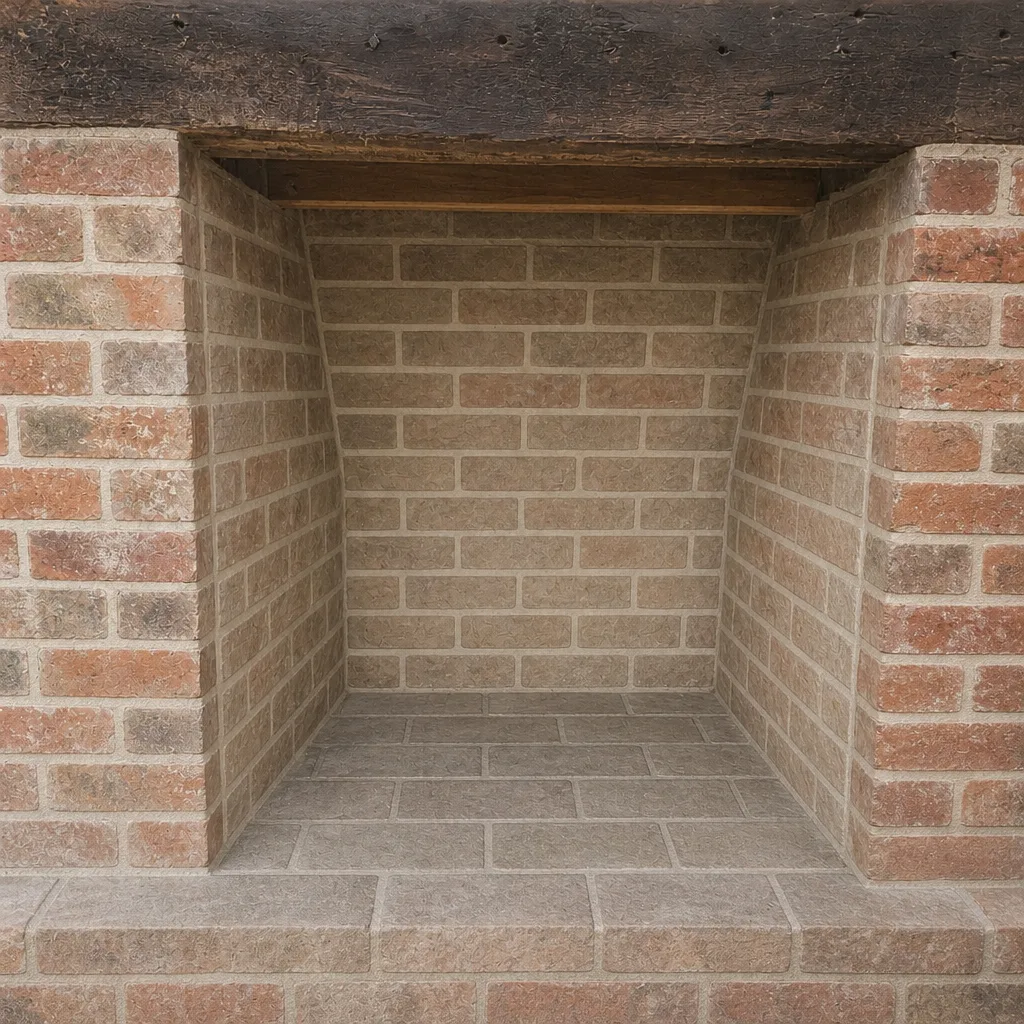 After
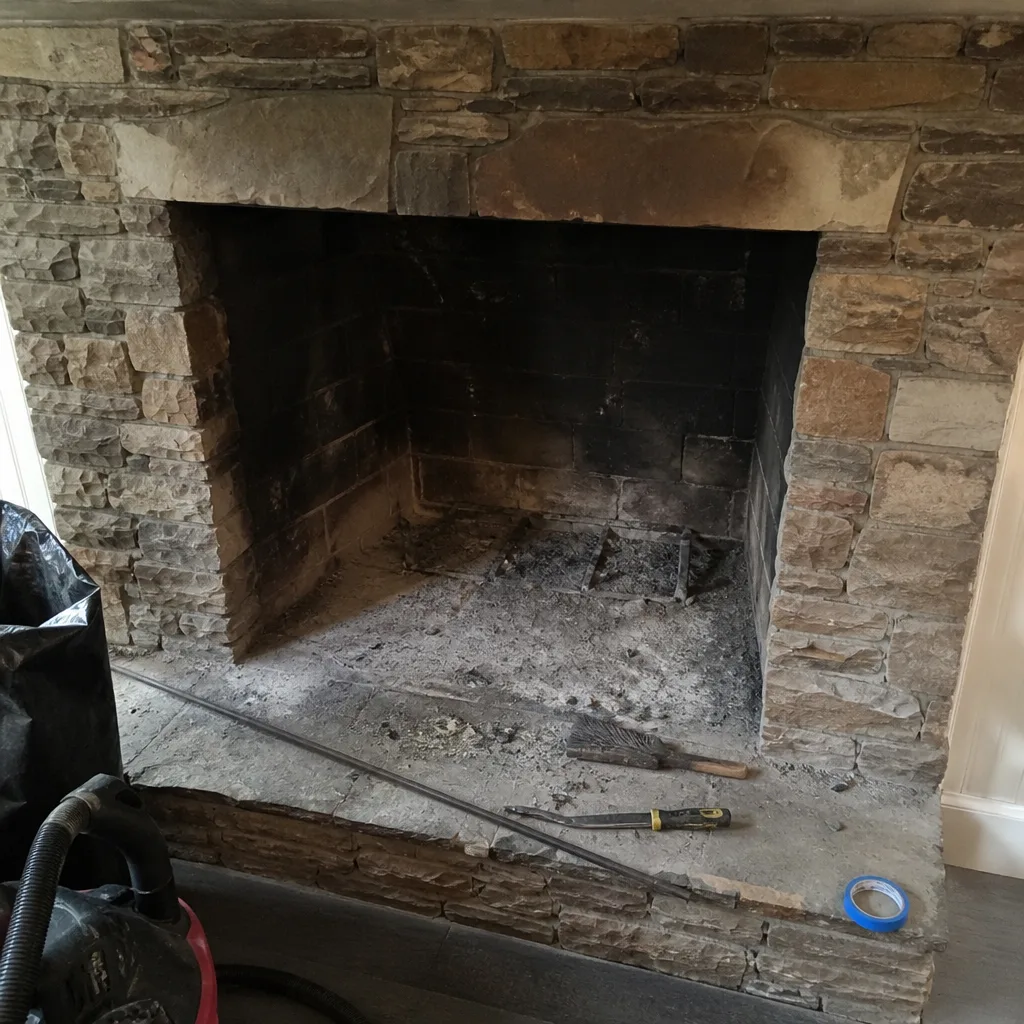 Before
 After
 Before
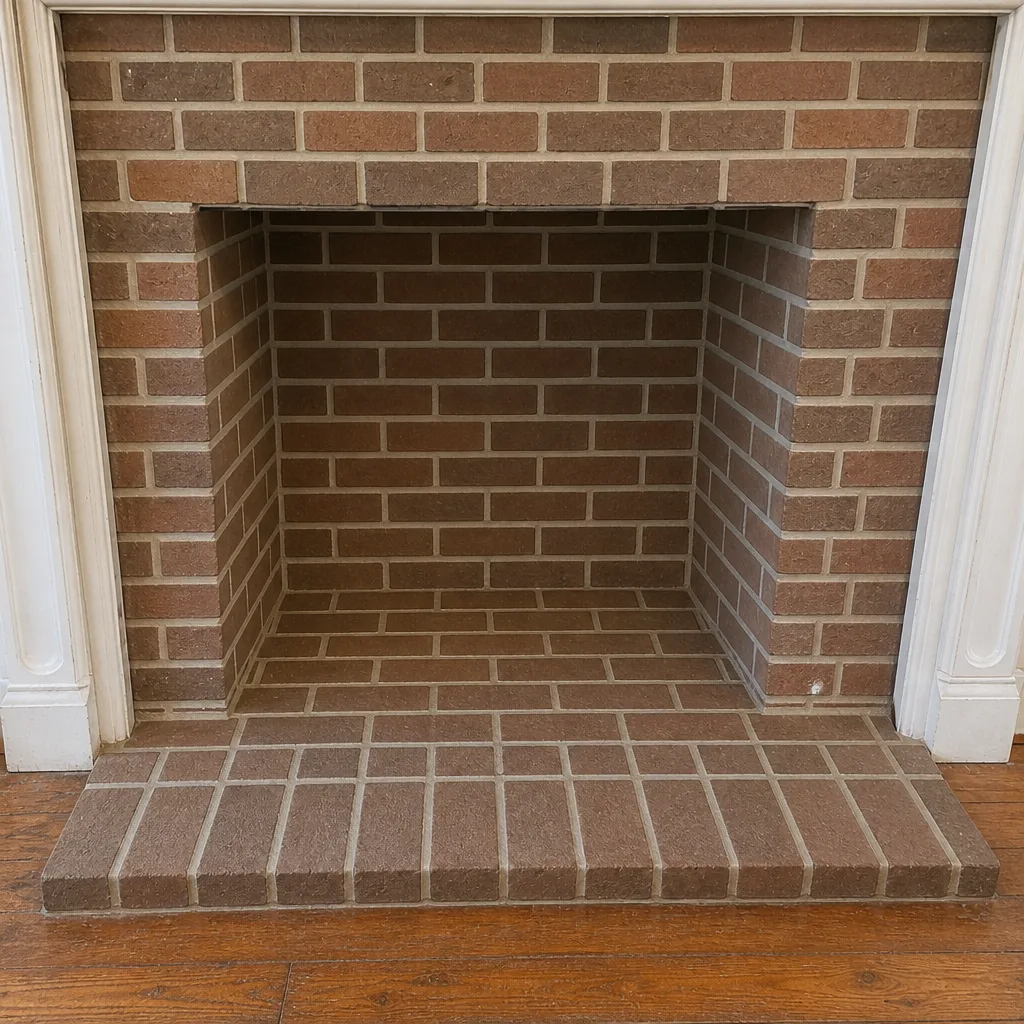 After