
Last updated November 22, 2026
 Sweep & inspection
 Caps & crowns
 Flue relining
 Masonry repair
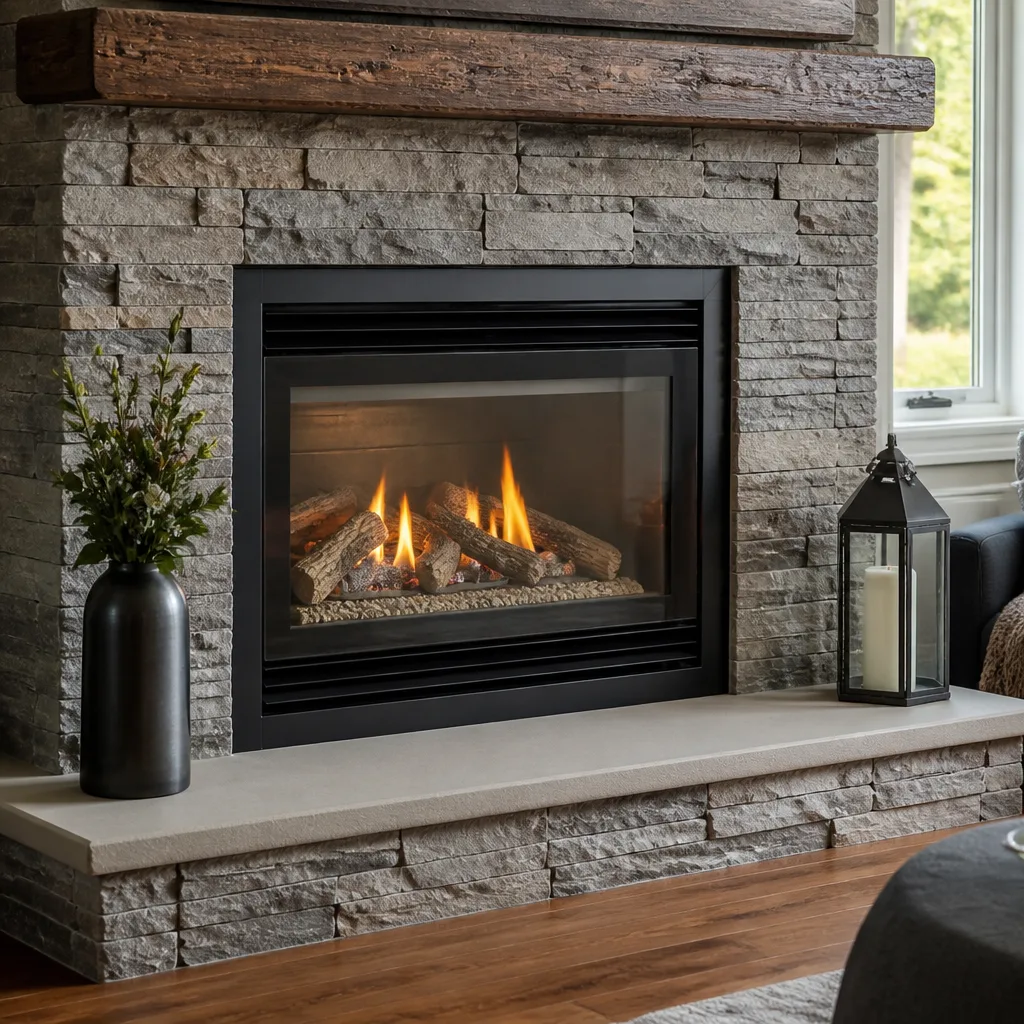 Gas fireplace service
Level 1 sweep and inspection to the NFPA 211 annual standard - flue, crown, cap, and flashing checked and photographed
Chimney sweep logs do not sweep chimneys. They loosen some creosote - which then falls where a brush and vacuum still have to collect it.
Chimney Cleaning Cost Breakdown: The Dilworth Homeowner’s Reference for 2026
The $89 chimney cleaning special and the $350 professional sweep are not the same service with different margins. One of them includes a liner camera scan, a written report, and a technician who can actually identify stage-two creosote. The other does not. That gap explains most of the pricing confusion we hear from homeowners in Dilworth, where older houses and a mix of wood-burning and gas fireplaces make the difference between a cosmetic flue brushing and a real system evaluation. In this guide, we break down what each price tier actually buys in the Charlotte metro, which add-ons are legitimate, which are upsells, and how to read a quote so you’re comparing equivalent scopes rather than bottom-line numbers that hide the important work.
Quick Answer
Chimney cleaning in Dilworth in 2026 typically runs $89 to $450, and the spread reflects scope rather than markup. A basic sweep at the low end clears the flue but skips inspection; a sweep paired with a Level 2 inspection and video scan at the higher end documents liner condition, crown integrity, and creosote staging in a written report you keep. The written estimate from a professional sets the final price, and it should itemize exactly what’s included.
Styles & brands we work with
- Sweep & inspection
- Caps & crowns
- Flue relining
- Masonry repair
- Gas fireplace service
Table of Contents
- Why Chimney Cleaning Prices Vary So Much in Dilworth
- Itemized Cost Ranges by Service Tier in the Charlotte Metro
- Legitimate Add-Ons vs. Upsell Tactics
- How Dilworth’s Housing Stock Affects Your Price
- Repairs That Cleaning Commonly Exposes
- How to Read a Chimney Service Quote
- What You Can Check Yourself vs. What Needs a Technician
- When to Schedule and What to Expect
Why Chimney Cleaning Prices Vary So Much in Dilworth
Most of the variance comes down to three things: what gets inspected, how the findings are documented, and who’s doing the work. A basic sweep crew brushes the flue and leaves. A full-system evaluation covers the firebox, damper, smoke chamber, flue, crown, cap, and flashing, and it produces a report you can act on. Those are different jobs, and they cost differently.
In Dilworth, the age of the housing stock amplifies that gap. Many homes here were built in the mid-20th century, and the flues in those houses weren’t always lined the way current construction expects. Some have clay tile liners that have shifted or cracked over time. Others have been relined at some point, and the reline quality varies. When we start a sweep with an inspection, we’re not just checking for soot; we’re checking whether the liner still serves its purpose. On a newer home with a factory-built metal chimney, that check looks different than it does on a 1950s masonry chimney in Dilworth, and the time it takes to evaluate each properly reflects that difference.
Two more variables drive cost. First, accessibility: a flue on an interior wall with a straight run is faster to brush than an exterior chimney with an offset or a flue that changes direction. Second, creosote staging. Glazed, stage-three creosote can’t be brushed off the same way flaky stage-one soot can; it needs a different approach, and that’s time. None of this is padding. It’s scope.
- Inspection depth – visual Level 1 vs. camera-assisted Level 2
- Documentation – verbal findings vs. written report with photos
- Flue configuration – straight run vs. offset or exterior wall
- Creosote stage – light soot vs. glazed deposits that resist brushing
- Liner material – clay tile, cast-in-place, or flexible metal liner
The Chimney Sweep Dilworth approach to pricing follows the same logic: we document what we find before we recommend anything, so the quote matches the actual condition of your chimney rather than a fixed menu price that ignores it.
Itemized Cost Ranges by Service Tier in the Charlotte Metro
The ranges below reflect what different service scopes typically cost in the Charlotte metro in 2026. These are estimates only. The written estimate from a professional sets the final price, and the specifics of your chimney can move the number up or down within each tier.
| Service Tier | Typical Range | What’s Included |
|---|---|---|
| Basic sweep | $89 – $175 | Flue brushing, soot and creosote removal, ash cleanup. No formal inspection. |
| Sweep + Level 1 inspection | $175 – $280 | Sweep plus a visual inspection of accessible components: firebox, damper, flue, crown, cap. |
| Sweep + Level 2 inspection with video | $280 – $400 | Everything above, plus camera scan of the flue interior and photo documentation. |
| Full-system cleaning with written report | $350 – $450 | Complete sweep, Level 2 inspection, video scan, written report itemizing findings and any recommended repairs. |
The gap between the basic sweep and the full-system clean is the gap between knowing your flue is clear and knowing whether the liner, crown, and cap can carry you through the next heating season. A chimney sweep that clears the flue is the starting point, not the finish line. The inspection tells you what else the chimney needs before you light the first fire in autumn.
A Level 2 inspection is not a sales pitch. It’s the industry-standard inspection for any chimney that has changed ownership, changed fuel type, or had a chimney fire, and it’s the one that catches hidden problems. In Dilworth’s older homes, that camera scan is often the difference between finding a hairline crack in the clay tile now and discovering it after a season of use.
Legitimate Add-Ons vs. Upsell Tactics
Add-ons are where chimney pricing gets murky. Some genuinely warrant the cost. Others are padding. Here’s how to tell the difference.
Creosote treatment: legitimate when warranted
Creosote treatment chemicals are worth the cost when the deposit is glazed or stage-three and won’t come off with standard brushing. In that case, a treatment that breaks down the glazed layer before or during the sweep is a real service, not an upsell. But if your chimney has light, flaky stage-one creosote, a chemical treatment is unnecessary. We see this distinction matter most in homes where the wood has been burned green or the fire has been run damped down for long periods; those conditions produce the heavier deposits that justify treatment.
Cap sealing or cap replacement: legitimate when missing or damaged
A chimney cap is the single most important piece of water protection on the system. If the cap is missing, rusted through, or the wrong size for the flue, replacing it during the sweep visit saves a second trip and prevents the water intrusion that drives most of the crown and masonry damage we see in Dilworth. Since we source caps from chimney cap & crown component lines like Gelco and Olympia Chimney, the replacement is matched to the flue size rather than pulled off a generic shelf.
What isn’t worth paying for
- Chemical treatments on light, flaky creosote that brushes clean
- Crown “sealing” offered without visual documentation of the crack
- Flashing work quoted before the flashing has been inspected and photographed
- Liner replacement recommended without a camera scan you can see
- “Deodorizing” as a separate line item when standard sweep cleanup handles the smell
The rule we work by: nothing is recommended without evidence you can see for yourself. If a technician can’t show you the crack on a camera or point to the damaged cap, the recommendation isn’t ready.
How Dilworth’s Housing Stock Affects Your Price
Dilworth’s older homes shape chimney pricing in ways a national average can’t capture. Chimney height, flue configuration, and liner material all push the cost up or down, and in this neighborhood those factors lean toward the higher end more often than in new construction.
Chimney height and flue configuration
A taller chimney takes longer to sweep and inspect because the technician needs to access the full flue run. Exterior chimneys, which are common on older Dilworth masonry homes, also tend to have a chimney crown that’s been exposed to decades of weather. That means the crown is more likely to be in the inspection scope and more likely to need attention. A flue with an offset or a change in direction slows the brush work and the camera scan, and that time shows up in the estimate.
Liner material
Clay tile liners, common in mid-century Dilworth construction, can shift, crack, or have gaps at the joints. When a camera scan shows that, the question becomes repair versus reline. Flexible metal liner systems like chimney repair solutions using DuraFlex give a professional-grade option for deteriorated liners. For less severe deterioration, HeatShield ceramic resurfacing can restore flue integrity without a full liner replacement. Each of those has a different price point, and the camera evidence decides which is appropriate.
The fireplace type matters
A gas fireplace with a vented flue needs a different service scope than a wood-burning masonry fireplace. Gas appliances also carry a combustion-gas check that wood-burning appliances don’t. That’s one more reason the quote has to match the appliance, not just the address. Our technicians have up to 12 years of experience working across both, and the service tier changes accordingly.
In Dilworth, the practical takeaway is that a basic sweep price on an older home with an exterior masonry chimney often turns out to be a partial picture. Budget for the sweep plus a Level 2 inspection when you’re in a house from the mid-20th century or earlier, and adjust from there once the findings are in hand.
Repairs That Cleaning Commonly Exposes
Cleaning and inspection often reveal repairs that were never going to be visible from the fireplace opening. Here’s what those typical repairs cost in the Dilworth market in 2026. These are estimates; the written estimate sets the final price on any of them.
| Repair | Typical 2026 Range | What It Addresses |
|---|---|---|
| Chimney cap replacement | $150 – $350 | Missing, rusted, or wrong-size cap that lets water and animals in |
| Crown coating / crown repair | $250 – $600 | Cracks in the concrete crown that channel water into masonry |
| Flashing reseal | $200 – $450 | Failed seal at the roof line where water gets behind the chimney |
| Liner repair (spot) | $300 – $800 | Isolated cracks or joint gaps in clay tile |
| Liner resurfacing (HeatShield) | $1,200 – $2,500 | Restoring flue integrity without full liner replacement |
| Full liner replacement (DuraFlex) | $2,500 – $4,500 | Deteriorated liner that no longer contains combustion gases |
The repairs that matter most in Dilworth’s older homes are the water-related ones. A cracked crown or failed flashing lets water into the masonry, and once the masonry is saturated, freeze-thaw cycles widen the damage. The cap and crown work we do is a dedicated service for that reason; those two components are the most common sources of water intrusion, and sweep-only companies tend to leave them unresolved.
It’s also worth saying plainly when work can wait. A hairline crack in a clay tile that isn’t progressing can often be monitored rather than replaced immediately. The camera evidence tells you which is which, and that’s the point of getting the scan before the quote.
How to Read a Chimney Service Quote
The bottom-line number on two quotes can look similar while the scopes are completely different. Here’s how to compare them fairly.
- Check what inspection level is included. A quote that says “sweep” without specifying inspection is a different scope from one that says “sweep + Level 2 inspection with video.”
- Look for a written report. If the report isn’t in the quote, ask whether one is produced and whether photos are included.
- Confirm the appliance type. A quote for a wood-burning masonry fireplace doesn’t cover a gas appliance’s combustion-gas check.
- Match add-ons to evidence. Each add-on should reference a specific finding: a photo of the cracked crown, a camera image of the liner joint, a measurement of the flue opening.
- Ask what happens if nothing’s wrong. A fair quote includes the possibility that the sweep is the whole job and no repair is needed. That should be said out loud.
- Confirm the final price is set by the written estimate. No surprises after the fact, and no line items added on the day without your approval.
A quote that can’t answer these questions is a quote you can’t compare. The scope has to be visible before the price means anything. If you’re moving to a chimney inspection for the first time in a new home, ask for the Level 2 with video; that’s the version that gives you a baseline to measure future changes against.
What You Can Check Yourself vs. What Needs a Technician
Some chimney checks are safe for a homeowner, and some aren’t. The line is worth knowing, because doing the safe checks helps you describe the problem accurately when you call, and doing the unsafe ones can get you hurt.
Safe for you to check
- Whether the damper opens and closes freely
- Whether smoke drifts back into the room when you first light a fire (a sign of an obstruction or draft issue)
- Whether the chimney cap is visibly present and intact from the ground with binoculars
- Whether there’s a visible stain or efflorescence on the masonry that suggests water intrusion
- Whether creosote is visible on the firebox walls or the smoke chamber (looking up from the firebox with a flashlight, without reaching in)
Needs a trained technician
Anything above the smoke chamber requires the right equipment and, in many cases, roof access. The flue interior, the crown, the flashing, and the liner joints aren’t safely or accurately examined from the ground. High-tension components, gas connections, and electrical work on fireplace inserts are dangerous and belong to a trained professional. We don’t give step-by-step instructions for that work, and no responsible guide should; the point is to know when to stop and call.
The fireplace repair side of this matters too. A gas fireplace with a pilot that won’t stay lit or a smell of gas needs a technician, not a homeowner investigation. That’s a safety call, not a cost call.
When to Schedule and What to Expect
The best time to book a sweep is before the heating season starts, not after the first cold snap when everyone in Dilworth is calling at once. Late summer and early autumn are the calmest windows on the schedule, and they leave time to complete any repair the inspection turns up before you need the fireplace.
Here’s how a typical appointment runs:
- We ask about the appliance, the last time it was serviced, and any issues you’ve noticed.
- The sweep clears the flue, firebox, and smoke chamber, with drop cloths and a vacuum to contain the dust.
- The inspection follows the sweep: firebox, damper, flue, crown, cap, and flashing.
- If a Level 2 is on the scope, the camera scan documents the flue interior, and photos go into the report.
- You get the findings, the photos, and any recommended repairs in writing.
- You decide what to do now and what can wait, with no pressure to decide on the spot.
If the flue is heavily soiled or the appliance hasn’t been serviced in years, plan for a longer visit. That’s a scope difference, not an upcharge. We answer 24/7 for scheduling questions. Fast dispatch from 7am to 7pm, Sunday through Friday.
Common Mistakes to Avoid
- Booking on price alone. An $89 sweep and a $350 full-system clean are different scopes. Comparing them on price is comparing apples to a bag of oranges.
- Skipping the inspection because the flue was just swept. A clean flue can still have a cracked crown or a failing liner. The camera scan is what finds it.
- Waiting until the first cold week to call. Dilworth schedules fill up fast once the temperature drops. Book in late summer if you can.
- Letting a sweep crew leave without a report. If you don’t have findings in writing, you have no baseline for next year and nothing to compare the next quote against.
- Accepting a liner replacement recommendation without a camera scan. You should be able to see the evidence on the screen before you agree to the largest line item in chimney work.
- Ignoring a missing cap. The cap is the cheapest water protection on the chimney, and its absence is the most common cause of the crown and masonry damage we inspect in Dilworth.
- Burning green or damp wood to save on the wood bill. That’s a false economy; it produces the heavier creosote that warrants chemical treatment down the line.
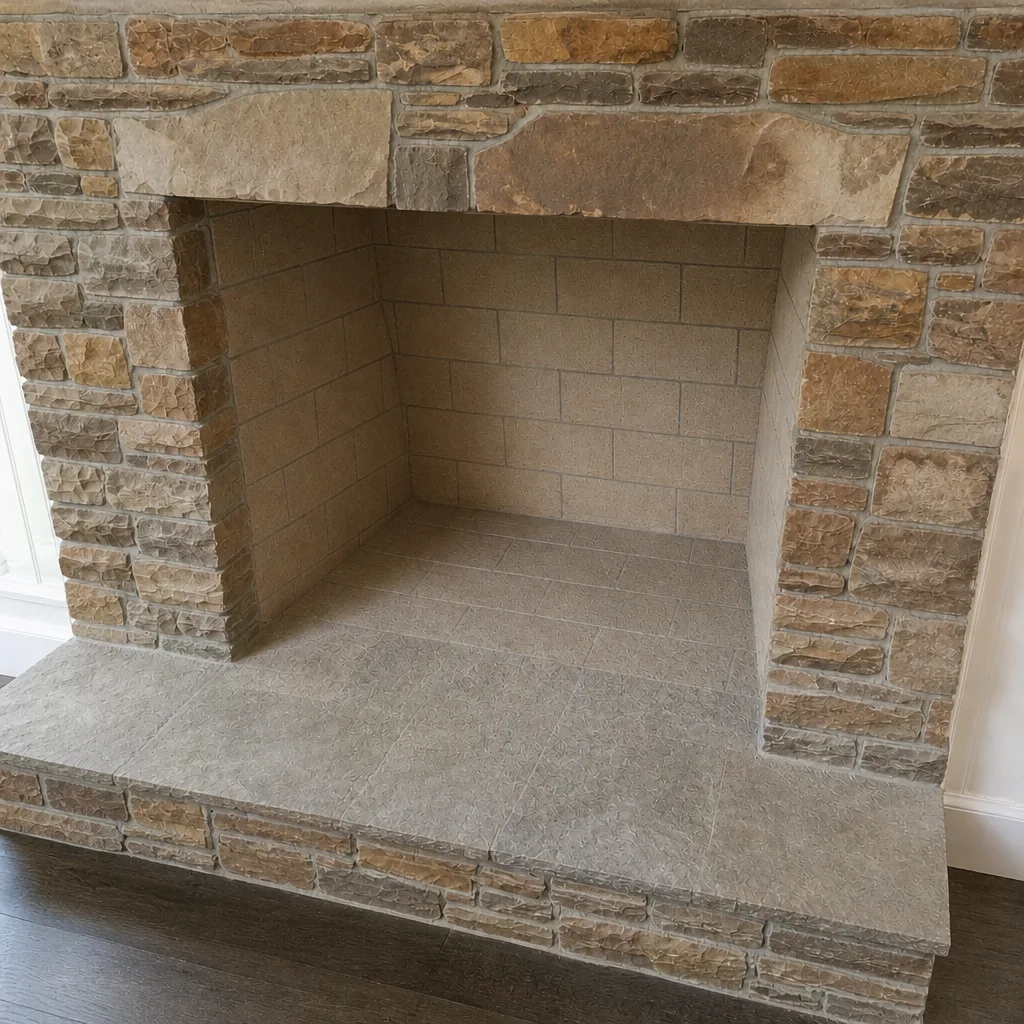
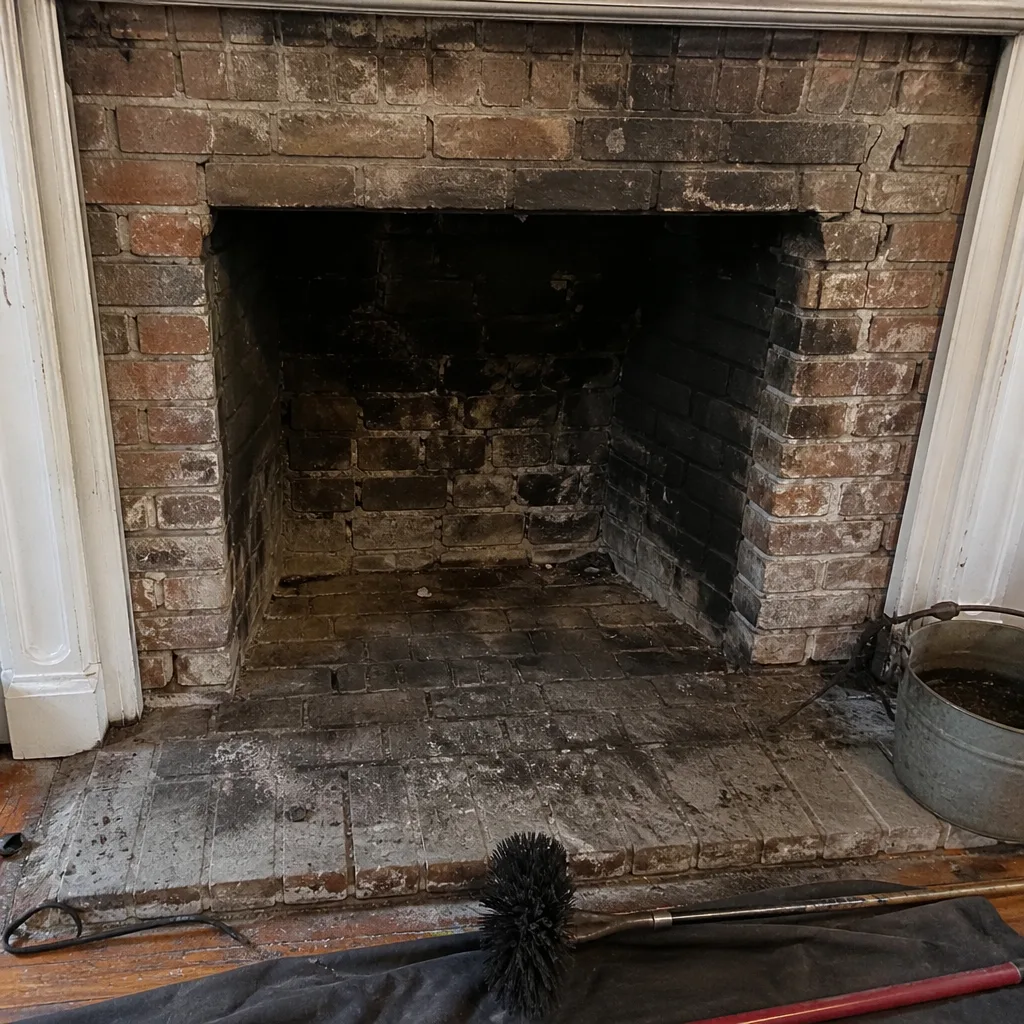
See the difference
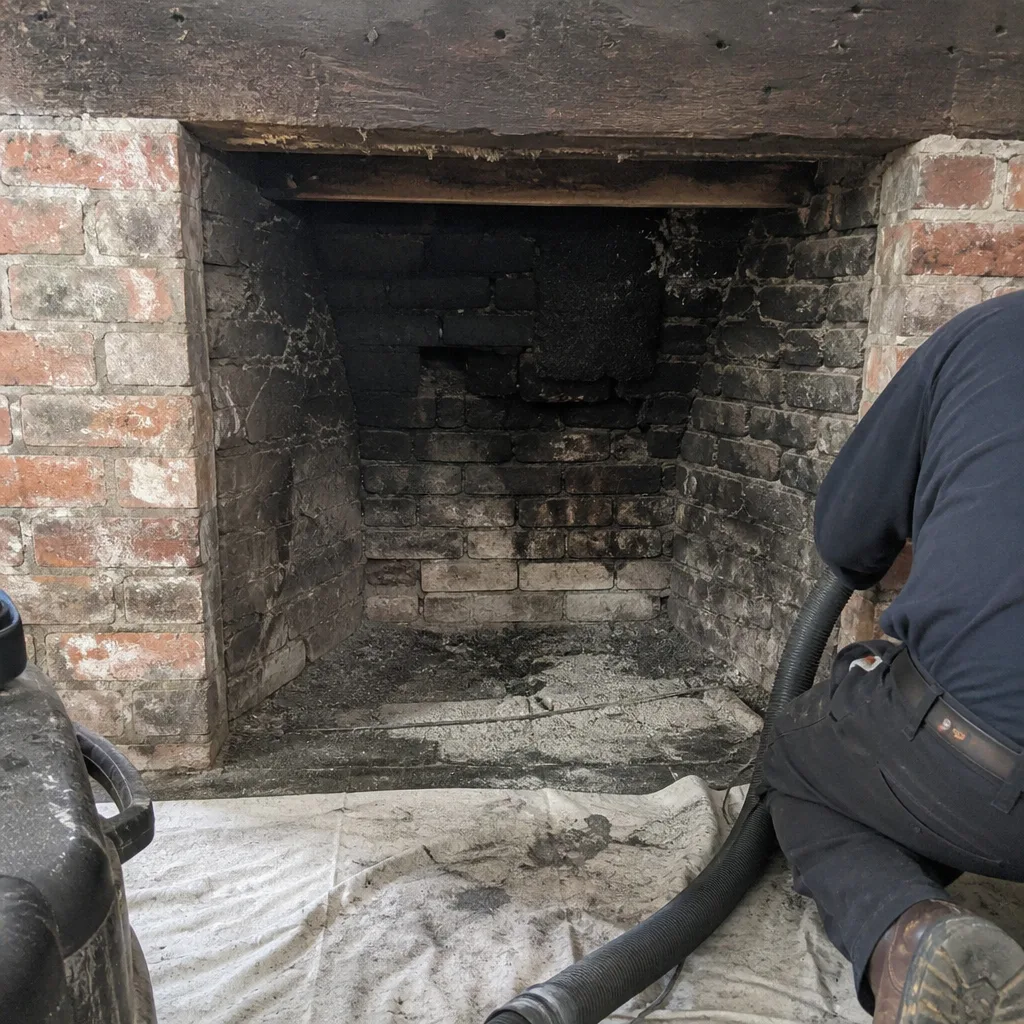 Before
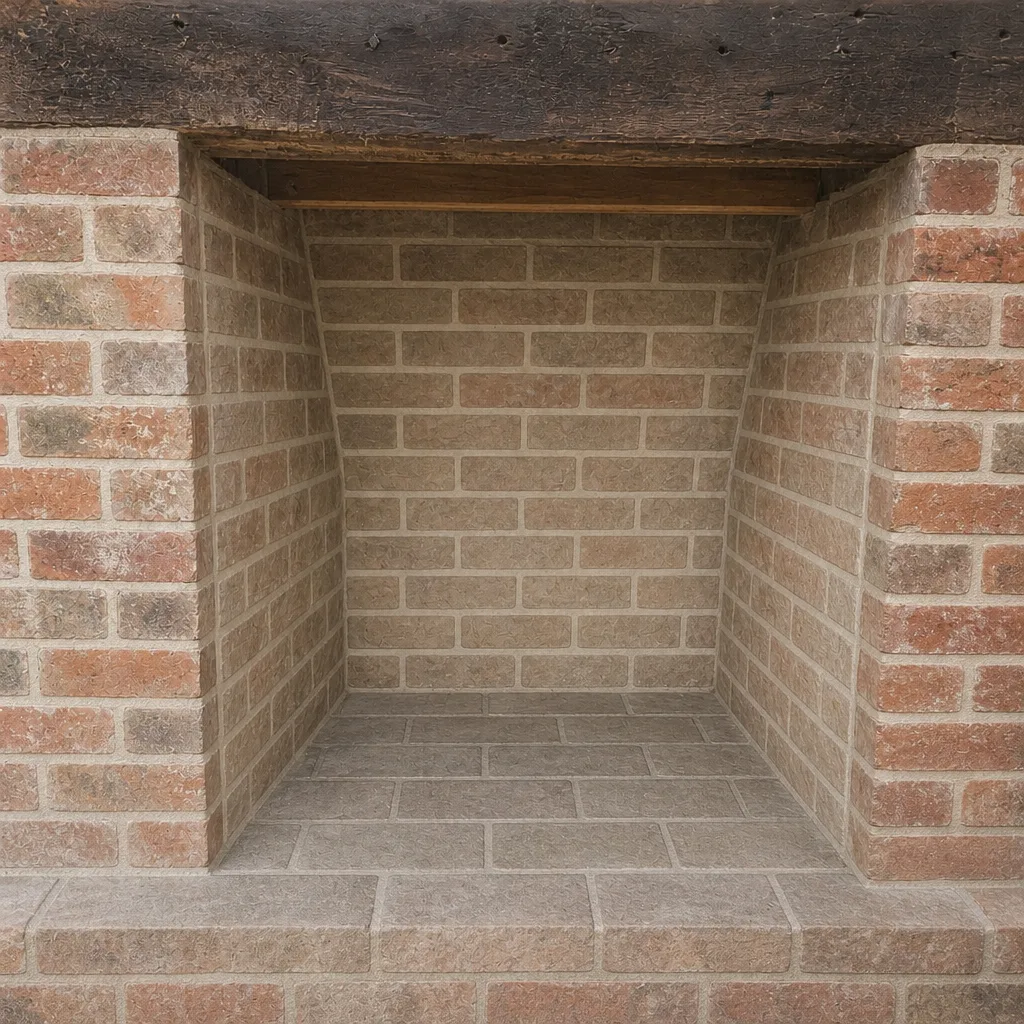 After
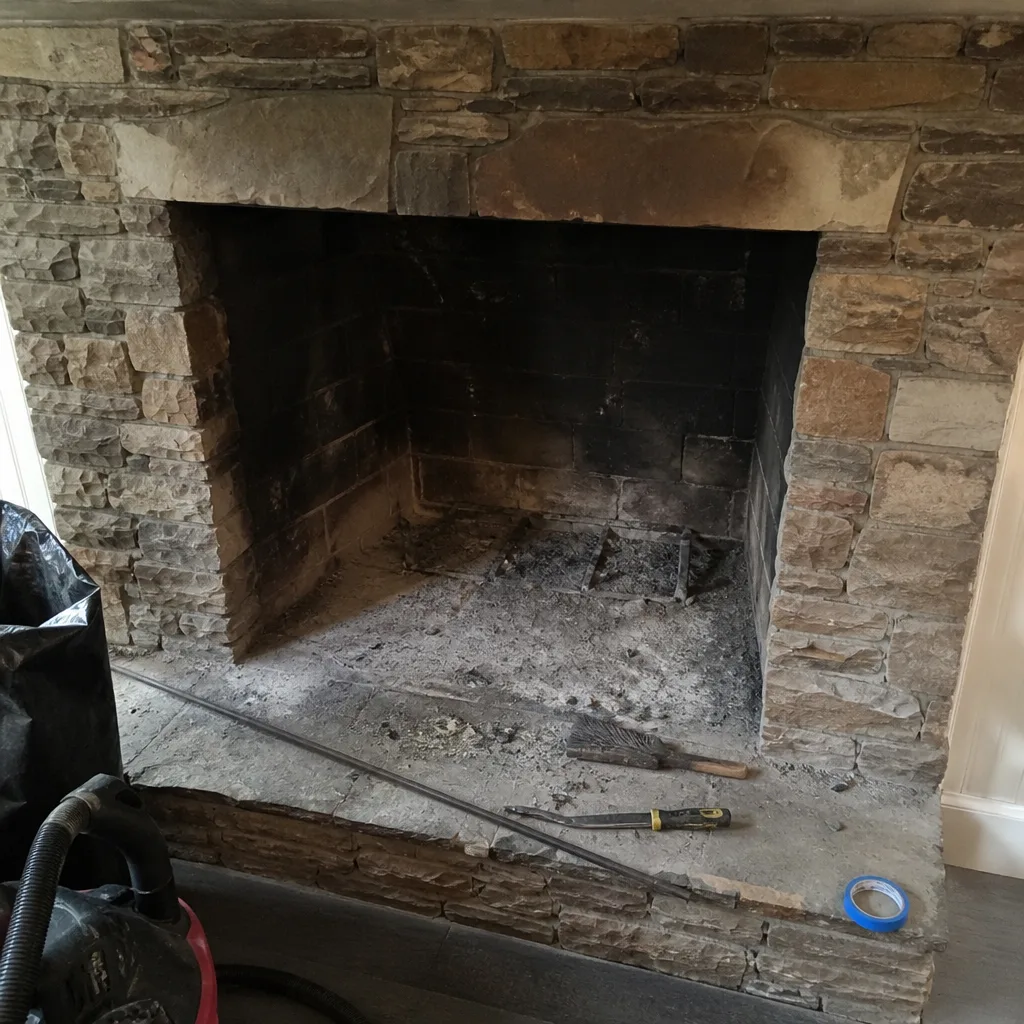 Before
 After
 Before
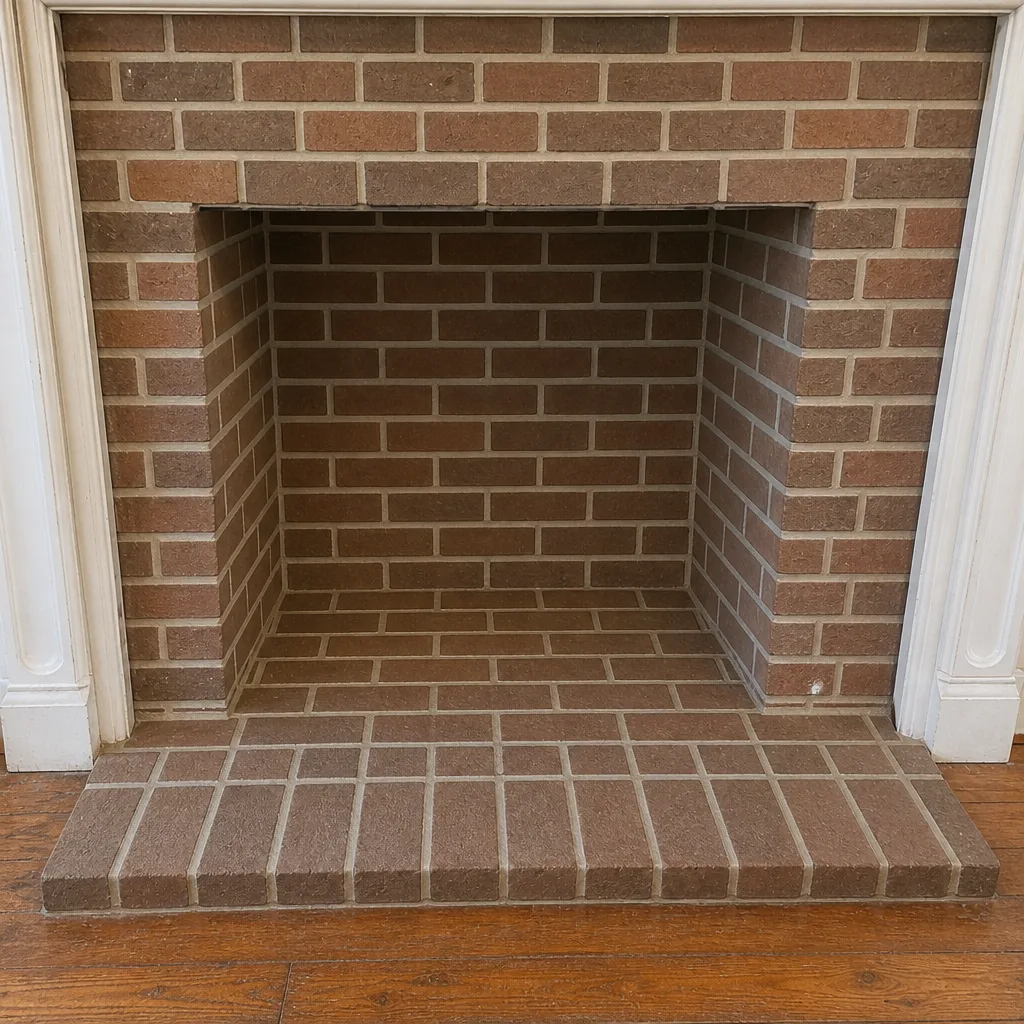 After
When to Call a Professional
Call a professional when you smell smoke in the room during a fire, when the damper won’t close, when you see staining or crumbling on the masonry, or when the chimney hasn’t been serviced in a year or more. Call before the heating season if you’ve never had the flue inspected. And call if a sweep has already been done but you’ve never seen a written report; a clean flue is the starting point, and the inspection is what tells you the rest. Chimney Sweep Dilworth offers free estimates in Dilworth. Call (888) 378-0297. We answer 24/7, with fast dispatch from 7am to 7pm, Sunday through Friday.
Frequently Asked Questions
A basic chimney sweep in Dilworth typically runs $89 to $175, and a sweep paired with a Level 1 inspection runs $175 to $280. A sweep with a Level 2 video inspection runs $280 to $400, and a full-system cleaning with a written report runs $350 to $450. The written estimate sets the final price, since flue configuration and creosote staging can move the number. Call (888) 378-0297 for an exact quote; estimates are free.
You need a Level 2 inspection when the chimney has changed ownership, changed fuel type, had a chimney fire, or when the flue interior hasn’t been examined before. In Dilworth’s older homes, a camera scan is the only way to see whether the clay tile liner has shifted or cracked. If a technician recommends a liner repair without showing you the camera evidence, ask to see it. Call (888) 378-0297 to book a Level 2 inspection.
You need a new liner only when the camera scan shows deterioration severe enough that the liner no longer contains combustion gases. For less severe cases, HeatShield ceramic resurfacing can restore flue integrity without full liner replacement, and a flexible DuraFlex liner system is the option for a liner that’s beyond resurfacing. The evidence from the scan decides which. Nothing is recommended without a photo you can see. Call (888) 378-0297 for an estimate.
A wood-burning chimney should be swept once a year, or more often if you burn heavily or burn green wood. Gas fireplaces need an annual inspection even though they produce less soot. The annual sweep is also the annual inspection, and in Dilworth’s older housing, that yearly check is how you catch a crown crack or a failing cap before water damage spreads. Call (888) 378-0297 to book a sweep.
Skipping the sweep lets creosote accumulate, and glazed creosote is the fuel that chimney fires burn. It also means the inspection that would have caught a cracked crown or failing liner doesn’t happen, and water intrusion proceeds unchecked through the masonry. Neither outcome is inevitable, but both are preventable with a yearly sweep and inspection. Call (888) 378-0297 to schedule yours.
Because they aren’t the same service. The $89 quote is typically a basic sweep with no inspection or report; the $350 quote is a full-system clean with a Level 2 video inspection and written findings. Comparing them on price alone hides the scope difference. Ask each company what inspection level and documentation is included before you compare. Call (888) 378-0297 for a scope-specific estimate.
The Bottom Line
Chimney cleaning in Dilworth in 2026 ranges from $89 to $450, and the difference is scope, not markup. A basic sweep clears the flue; a full-system clean with a Level 2 video inspection documents what the flue, crown, cap, and liner actually need. The repairs cleaning commonly exposes run from a $150 cap replacement to a full liner job, and the camera evidence is what tells you which is warranted. Read every quote for scope before you read the bottom line. We document what we find before we recommend anything, and nothing gets recommended without evidence you can see. Call (888) 378-0297 for a free estimate. We answer 24/7, with fast dispatch from 7am to 7pm, Sunday through Friday.
Written by the team at Chimney Sweep Dilworth.