
Last updated November 22, 2026
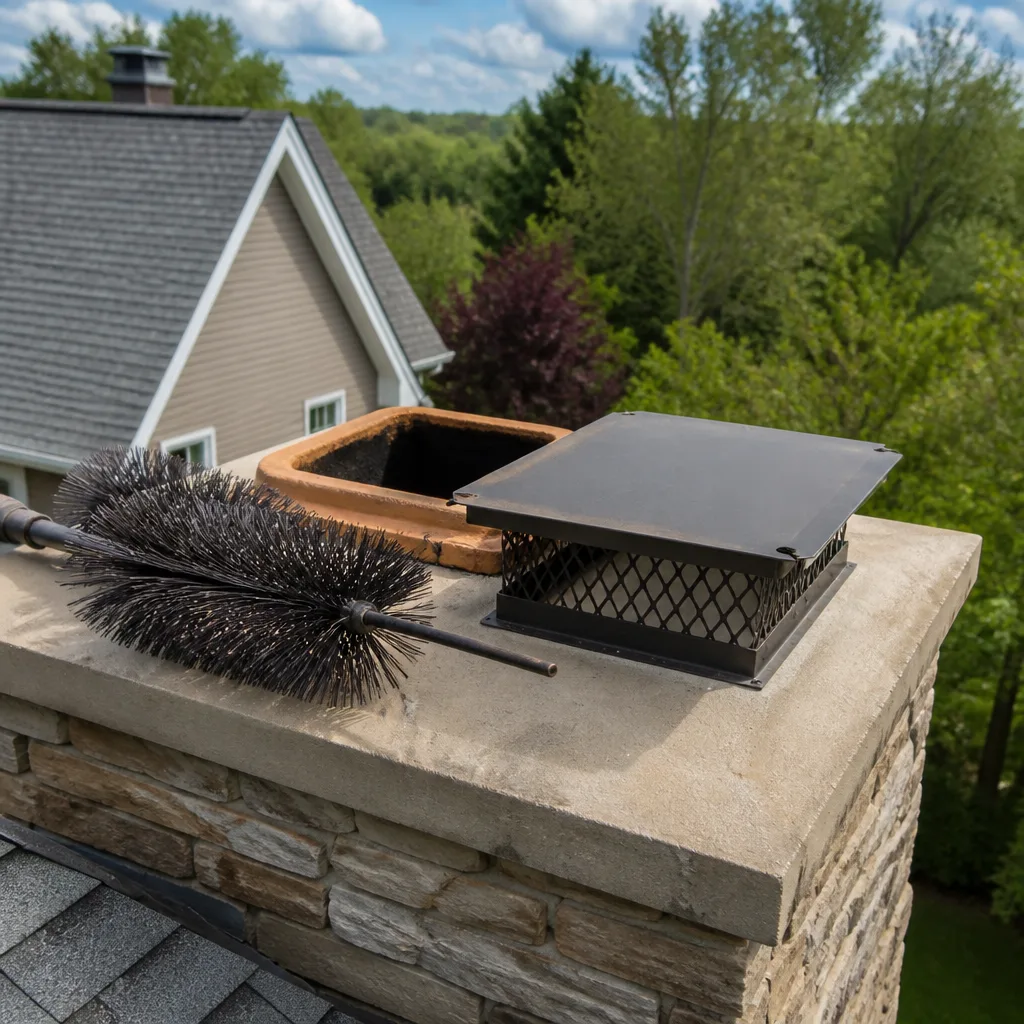 Sweep & inspection
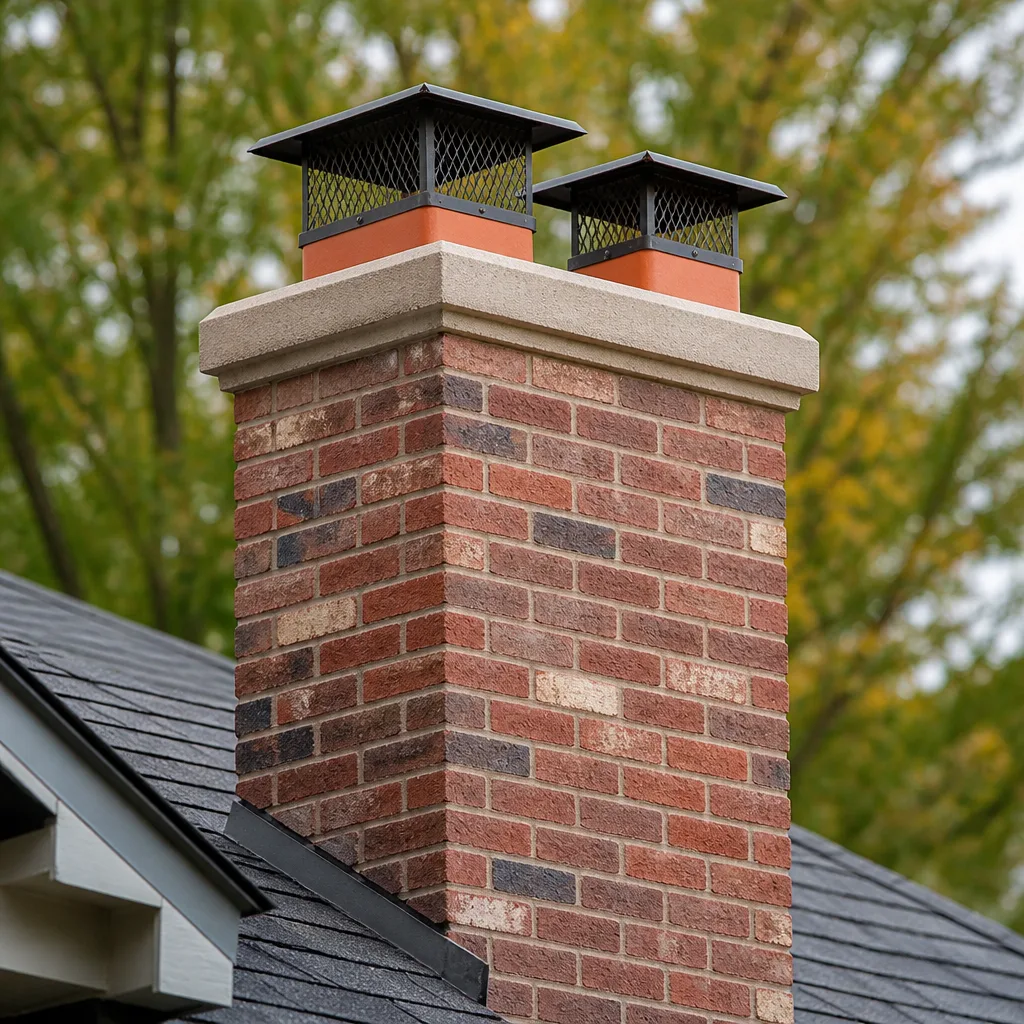 Caps & crowns
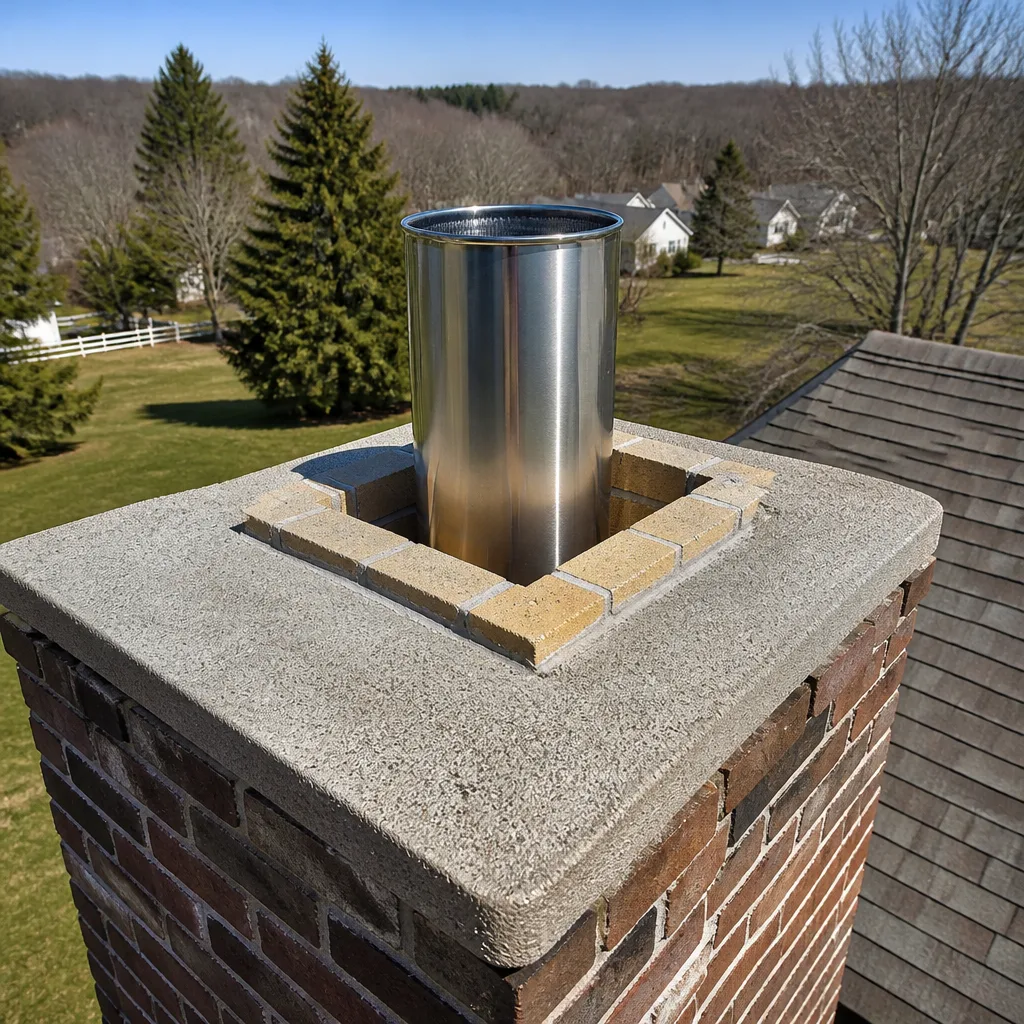 Flue relining
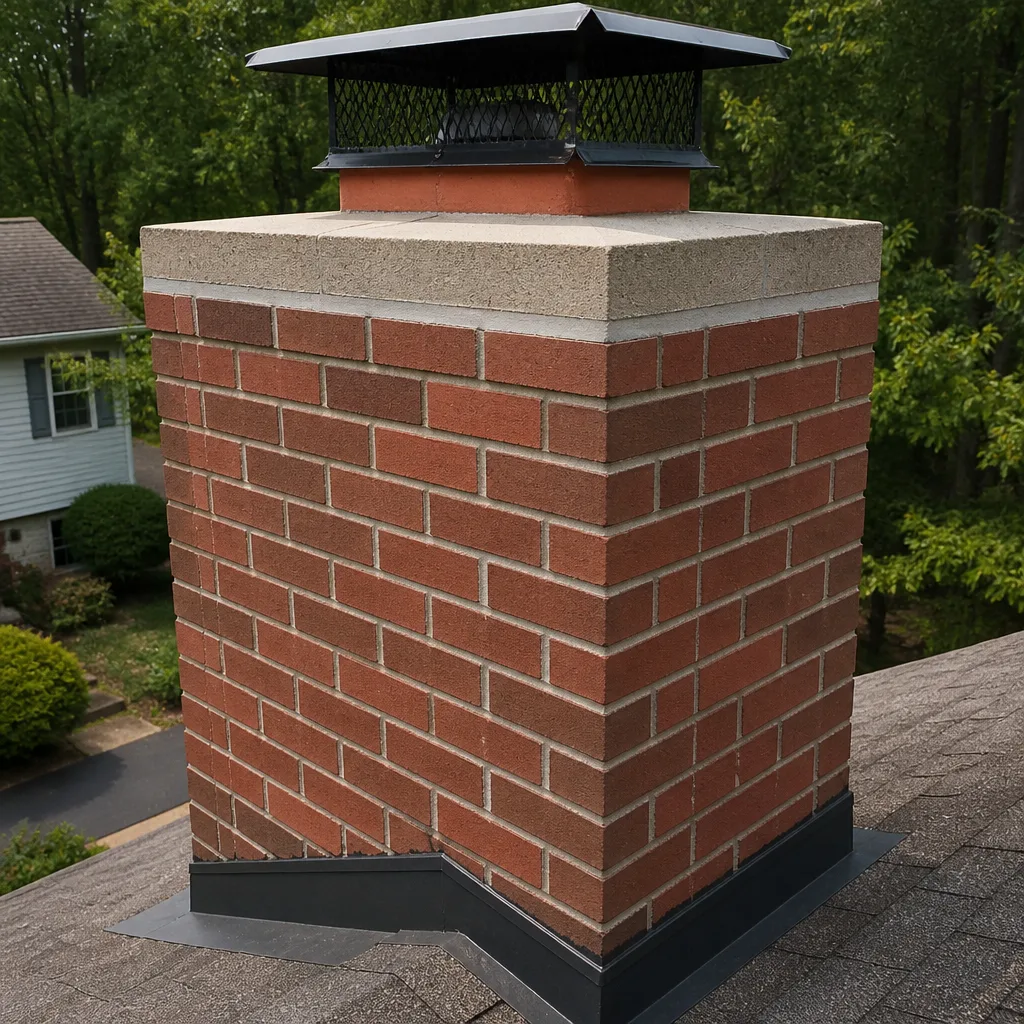 Masonry repair
 Gas fireplace service
Level 1 sweep and inspection to the NFPA 211 annual standard - flue, crown, cap, and flashing checked and photographed
Chimney sweep logs do not sweep chimneys. They loosen some creosote - which then falls where a brush and vacuum still have to collect it.
Chimney Sweep Maintenance Checklist for Dilworth Homeowners
Most downloadable chimney checklists floating around online were written for wood-burning fireplaces in cold-climate states that see five months of hard freezes. If you’re burning in Dilworth’s shoulder seasons on a gas-converted unit, that checklist may leave your most critical failure points uninspected. A Dilworth chimney lives a different life: milder winters, longer humid stretches, and a housing stock where brick chimneys from the Myers Park-adjacent blocks sit shoulder to shoulder with later stucco-clad additions. This guide gives you a component-by-component checklist written for that reality, explains which items you can verify yourself and which need a liner camera, and shows you how to document everything so a warranty or insurance claim holds up.
Quick Answer
A Dilworth chimney maintenance checklist should cover six components in this order: cap, crown, flashing, liner, firebox, and damper. Sweep and inspect annually if you burn wood, and have the liner checked every year on a gas log conversion because condensate corrodes faster than creosote builds. Document each inspection with photos and a date.
Styles & brands we work with
- Sweep & inspection
- Caps & crowns
- Flue relining
- Masonry repair
- Gas fireplace service
Table of Contents
- Why a Dilworth Checklist Is Different From a National Template
- The Cap and Crown: Your First Line Against Water
- Flashing: Where Brick and Stucco Chimneys Fail Differently
- The Liner: Creosote Versus Condensate
- Firebox and Damper: What Pass and Flag Look Like
- How a Gas Log Conversion Changes Your Schedule
- What You Can Safely Check Yourself vs. What Needs a Technician
- Documenting and Dating Inspections for Warranty and Insurance
Why a Dilworth Checklist Is Different From a National Template
Dilworth’s climate does two things to a chimney that a Minnesota checklist never accounts for. First, the winters are mild enough that many homeowners burn intermittently across a stretched season rather than in one concentrated stretch. That pattern produces thin, repeated creosote layers rather than one heavy buildup, and it means the firebox cycles through warm-and-cold dozens of times. Second, the summers are long and humid. A chimney here spends more months fighting moisture than it does fighting fire.
That humidity piece matters more than most people realize. Water finds its way into a chimney through three openings, in this order of frequency: a missing or failed cap, a cracked crown, and failed flashing at the roof line. Once inside, it does its damage slowly and quietly. Brick spalls. Mortar joints soften. A clay flue liner absorbs moisture and then cracks when the next fire heats it unevenly. By the time a homeowner notices a problem, the water has usually been working for a couple of seasons.
The masonry itself varies block to block in the Myers Park-adjacent parts of Dilworth. Older brick chimneys and later stucco-clad stacks behave differently when water gets behind the surface, and we’ll get into that in the flashing section. The point is this: a useful checklist for a Dilworth home has to be organized around moisture and around the actual burn pattern, not around a generic “sweep once a year” instruction.
One more thing a national template gets wrong. It treats the annual sweep as the whole job. A clean flue is the starting point, not the finish line. The sweep clears what’s inside the flue; the inspection is what tells you whether the cap, crown, flashing, and liner are still doing their jobs. Those are separate tasks and they deserve separate checklist lines.
The Cap and Crown: Your First Line Against Water
The cap and crown are the two most common causes of water intrusion into a chimney, and they’re also the two items a sweep-only visit tends to leave untouched. If your annual service stops at brushing the flue, these are the components nobody is checking. That’s the gap a full-system approach closes, and it’s why we treat chimney cap & crown as its own service rather than an afterthought.
Here’s what each one does and what to look for.
The cap
The cap is the hood and mesh assembly on top of the flue. It keeps rain, snow, birds, and squirrels out while letting smoke escape.
- Pass: The cap sits snug and level, the mesh is intact with no tears, and it’s clear of debris and leaf litter.
- Flag: Rusted-through mesh, a cap that’s tilted or loose, mesh torn open at a corner, or a flue with no cap at all. A missing cap is an open door for water and wildlife.
The crown
The crown is the concrete or mortar slab on top of the masonry that sheds water away from the flue. It’s the chimney’s roof, in effect.
- Pass: The crown is sound, slopes away from the flue, and has no visible cracks wider than a hairline.
- Flag: Cracks that run to the edge of the crown, a crown that’s crumbled or separated from the flue, or a flat or negatively sloped crown that lets water pool instead of shedding it.
A cracked crown is easy to miss from the ground and easy to fix before it becomes a rebuild. When we replace or rebuild a crown, we source the components from brands certified chimney specialists specify, such as Gelco and Famco, because a crown is a piece of masonry that has to survive years of freeze-thaw cycles on a roof. Standing on a roof to inspect a crown is genuinely risky work, so we don’t recommend a homeowner climb up to check. Binoculars from the yard are the safe way to get a first look.
Flashing: Where Brick and Stucco Chimneys Fail Differently
Flashing is the metal where the chimney meets the roof. It’s the transition point, and transitions are where water always finds a way in. What makes flashing worth its own checklist section in Dilworth is how differently it fails on the two dominant exterior types you’ll see across the neighborhood.
On brick chimneys
Brick is porous and it absorbs and releases moisture slowly. When flashing fails on a brick stack, the water typically tracks down behind the brick and shows up as a stain or a soft mortar joint a foot or two below the roof line, sometimes inside the attic rather than on the face of the chimney. The brick itself can look fine from the outside while the flashing is quietly failing behind it. Efflorescence, that white powdery bloom on brick, is one signal that moisture is moving through the masonry.
On stucco chimneys
Stucco is a coating over a substrate, and it hides what’s underneath. When flashing fails on a stucco-clad chimney, you often can’t see the intrusion from the surface at all. The first sign is frequently a stain on the ceiling or a musty smell in the attic, because the water gets behind the stucco and the substrate and never shows on the face. Stucco also cracks at the flashing seam as the two materials expand and contract at different rates, and those hairline cracks let water in.
What to check, whether you’re looking with binoculars or having a technician on the roof:
- Pass: The flashing laps over the roof covering and turns into the masonry, the sealant line is continuous and flexible, and there’s no daylight or gap where the two meet.
- Flag: Lifted or separated flashing, cracked or missing sealant at the seam, rust staining below the flashing line, or any sign of water on the chimney’s interior or in the attic beneath it.
Moisture intrusion through flashing is one of the most common calls we get, and it’s also one of the most preventable. It’s a repair question, not a sweeping question.
The Liner: Creosote Versus Condensate
The flue liner is the pipe inside the chimney that carries smoke and gases up and out. It’s the component a homeowner can’t see without a camera, and it’s where the biggest and most expensive problems hide. Two different forces attack a liner, and which one you’re fighting depends entirely on what you burn.
On a wood-burning fireplace, the enemy is creosote. Incomplete combustion deposits a flammable, tar-like residue on the flue walls. It builds in layers, and glaze creosote, the hard shiny kind, is tough to remove with a brush alone. Creosote buildup is why an annual sweep matters on a wood fire: removing it before it accumulates keeps the flue clear and reduces fire risk.
On a gas log conversion, the enemy is condensate. Gas burns cleaner with far less creosote, but it produces water vapor as a byproduct, and that vapor condenses on the cooler flue walls. The condensate is acidic. Left on a clay or older metal liner, it corrodes the surface year after year. This is the failure mode a cold-climate wood-burning checklist never addresses, and it’s exactly the one a lot of Dilworth homes are living with.
When a liner has deteriorated past resurfacing, the professional-grade fix is a flexible liner system. We install DuraFlex flexible liner systems for exactly this. When the liner is still structurally sound but the surface has broken down, ceramic resurfacing is often the right call, and we use HeatShield for that. Both decisions should come down to what the camera shows, not what a salesperson claims.
What pass and flag look like on a liner:
- Pass: Continuous, uncracked surface, no gaps at joints, no heavy glazed creosote, and no visible corrosion or spalling.
- Flag: Cracks, gaps, missing mortar at joints, spalling flue tiles, heavy or glazed creosote, or corrosion and pitting on a metal liner.
Firebox and Damper: What Pass and Flag Look Like
The firebox is where you build the fire, and the damper is the door above it that controls draft. Both are visible, both are commonly neglected, and both are things a homeowner can look at without climbing anything.
The firebox
- Pass: Firebrick sound and tight, mortar joints firm and full, no chunks missing from the brick faces, and no gaps where the firebox meets the surround.
- Flag: Cracked or crumbling firebrick, soft or missing mortar joints, gaps at the edges, or a firebox that’s been parged over to hide a failing brick.
A cracked firebox is a safety concern, not a cosmetic one, because the firebox is what separates the fire from the structure behind it. If you see cracked or missing firebrick, stop using the fireplace until a technician has looked at it. This is one of the areas where fireplace repair is the right service, and it’s worth saying plainly: a compromise in the firebox is not something to patch and forget.
The damper
- Pass: Opens and closes smoothly, seats fully when closed, and stays put when you set it partway open.
- Flag: Stiff or stuck, doesn’t seat fully (which lets heat escape up the flue when the fireplace isn’t in use), a broken handle, or a damper that won’t stay open on its own.
A damper that won’t seat is a slow energy leak, and a damper that won’t open properly affects how the fire drafts. Neither is dangerous on its own, but both are worth fixing once you know about them.
How a Gas Log Conversion Changes Your Schedule
If your Dilworth home has a gas log set in what used to be a wood-burning fireplace, your maintenance schedule shifts in ways the standard checklist doesn’t reflect. This is the scenario the opening hook is about, and it’s common enough in the neighborhood to deserve its own section.
Here’s how the schedule changes.
- Less creosote, but not none. Gas burns much cleaner than wood, but some deposits still form, and dust and debris still collect in the flue.
- Liner corrosion moves to the top of the list. Condensate from gas combustion is acidic. Annual liner inspection with a camera is the single most important item on a gas-conversion schedule.
- The flue runs cooler. A cooler flue means a slower draft and more condensation, which is why gas setups can corrode a liner faster than wood setups in the same chimney.
- Venting components matter more. Cap and vent terminations on a gas unit need to be clear and correctly sized. We source caps and venting components from Gelco, Famco, and Olympia Chimney because those are the brands the trade specifies for this.
- Annual inspection is non-negotiable even though the fire looks clean. A gas fire leaves no visible creosote to remind you something needs checking.
The practical takeaway: a wood-burning home can sometimes stretch the gap between sweeps if the burn volume is light. A gas-conversion home should get a camera inspection on the liner every year, because the failure it’s prone to is invisible.
What You Can Safely Check Yourself vs. What Needs a Technician
Some checklist items are safe for a homeowner to handle with a flashlight and a set of binoculars. Others require a trained technician with a liner camera. Knowing the difference keeps you safe and keeps you from paying for a service call on something you could have spotted yourself.
Safe for a homeowner to verify:
- Visual condition of the cap and mesh from the ground with binoculars.
- Visual condition of the crown from the ground with binoculars.
- Firebox firebrick and mortar, inspected from inside the room with a flashlight.
- Damper operation, opening and closing it by hand.
- Any signs of water: stains on the chimney’s interior face, attic moisture, musty smells.
Belongs with a technician:
- Anything that requires getting onto the roof. Roof work near a chimney is a fall hazard, and it’s not worth the risk to save a service call.
- Flashing condition. You can spot a lifted edge with binoculars, but a real assessment of the flashing-to-masonry seal needs hands on it.
- Liner condition. This requires a camera to see inside the flue, and it’s the item most likely to hide a serious problem.
- Creosote depth and glazing. A brush can’t judge what’s alive on the flue wall; the technician can.
- Any firebox compromise. If a brick looks cracked, don’t fire it and don’t patch it yourself.
The reason to keep this honest is that the DIY-versus-pro line isn’t about upselling anyone. It’s that a fall off a roof or a missed liner crack can hurt. The camera inspection exists because the most dangerous defects are the ones you can’t see.
Documenting and Dating Inspections for Warranty and Insurance
Here’s the part of the checklist most guides skip entirely: the paper trail. Documenting your chimney inspections with a date and photos isn’t busywork. It’s what protects you when you file a home warranty claim or an insurance claim, and it’s the first thing a claims adjuster will ask for.
What to keep:
- The inspection report from each visit, with the date. A camera inspection should include a photo report of what was found, not just a verbal summary.
- Photos of the cap, crown, flashing, and firebox at each inspection so you can compare year to year and show a component was sound when the last inspection was done.
- Records of any repair, with the materials used. If a liner is resurfaced or replaced, the paperwork should say so. A home warranty on a chimney system cares whether the repair was done professionally with correct materials.
- A simple maintenance log, in a folder or a note on your phone. Date, service, what was found, what was done.
Home warranty companies and insurers like to see that maintenance was done on a regular schedule with documented results. A chimney that’s been inspected and photographed each year is a chimney with a paper trail. A chimney that’s never been documented is one where a claim can stall on the question of whether the failure was pre-existing.
Our inspection-first workflow is built around this: we document what we find before we recommend anything, with a camera inspection and a photo report you can keep. If a recommendation ever comes with a photo you can’t see the problem in, ask about it. That’s the standard you should hold us to.
Common Mistakes to Avoid
- Treating the sweep as the whole job. A brush in the flue clears creosote but does nothing for a cracked crown or a failing liner. A clean chimney is the starting point, not the finish line.
- Skipping the cap because the fireplace still draws. A cap can be missing or torn through for a couple of seasons before you notice draft problems. Check it every year even when the fire seems fine.
- Assuming a gas conversion needs no inspection. Less creosote does not mean less risk. Condensate corrodes a liner faster than creosote, and the damage is invisible without a camera.
- Hiring a sweep-only company for a full chimney problem. If the flue gets brushed and the crown and flashing never get looked at, you’ve paid for half the job. Ask what a company actually covers before booking.
- Not keeping a dated record. A homeowner with photos and reports from each inspection is in a very different position at claim time than one with nothing.
- Trying to inspect the roof yourself. Binoculars from the yard are fine. Climbing onto the roof to check a crown or flashing is a fall hazard and not worth the risk.
- Parging over a cracked firebox to hide it. A patch might look better and it might even look fine for a season, but a compromised firebox is a safety issue that needs a real repair, not a cover-up.
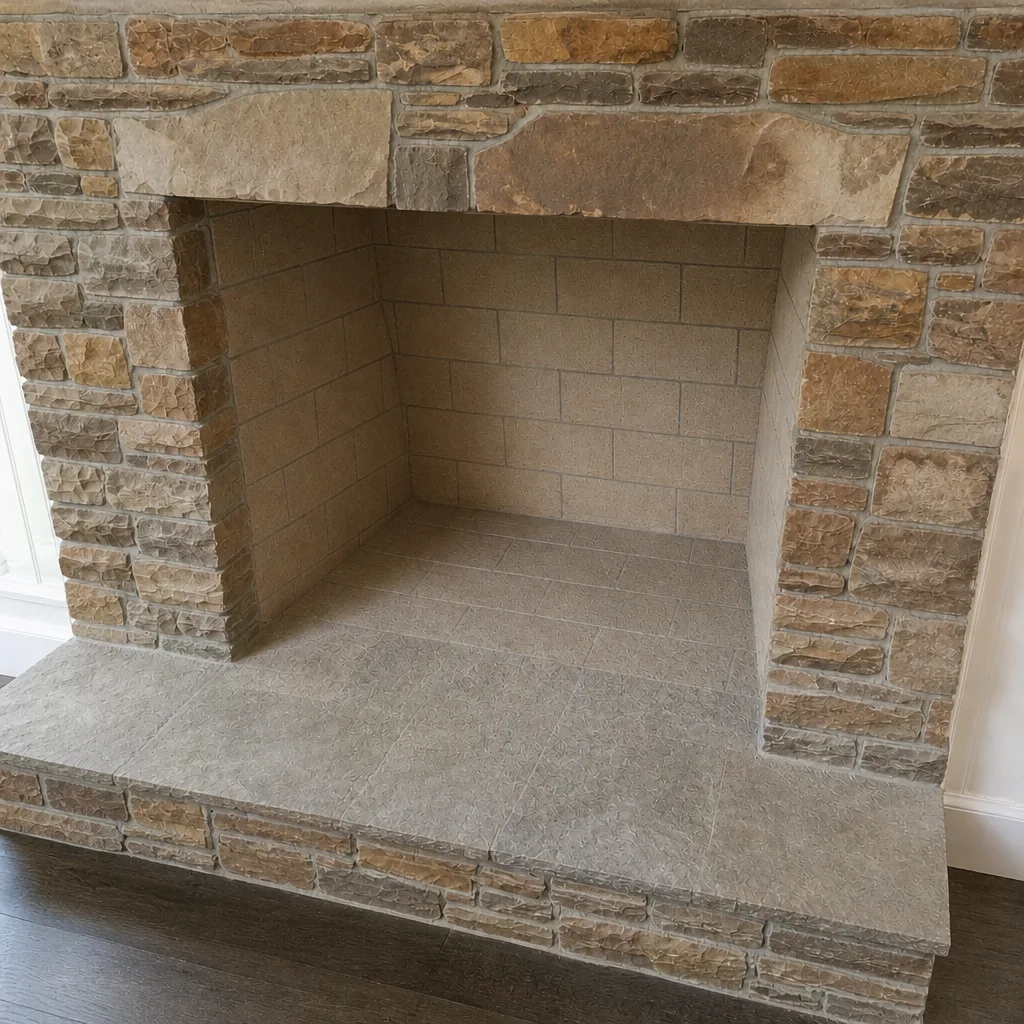
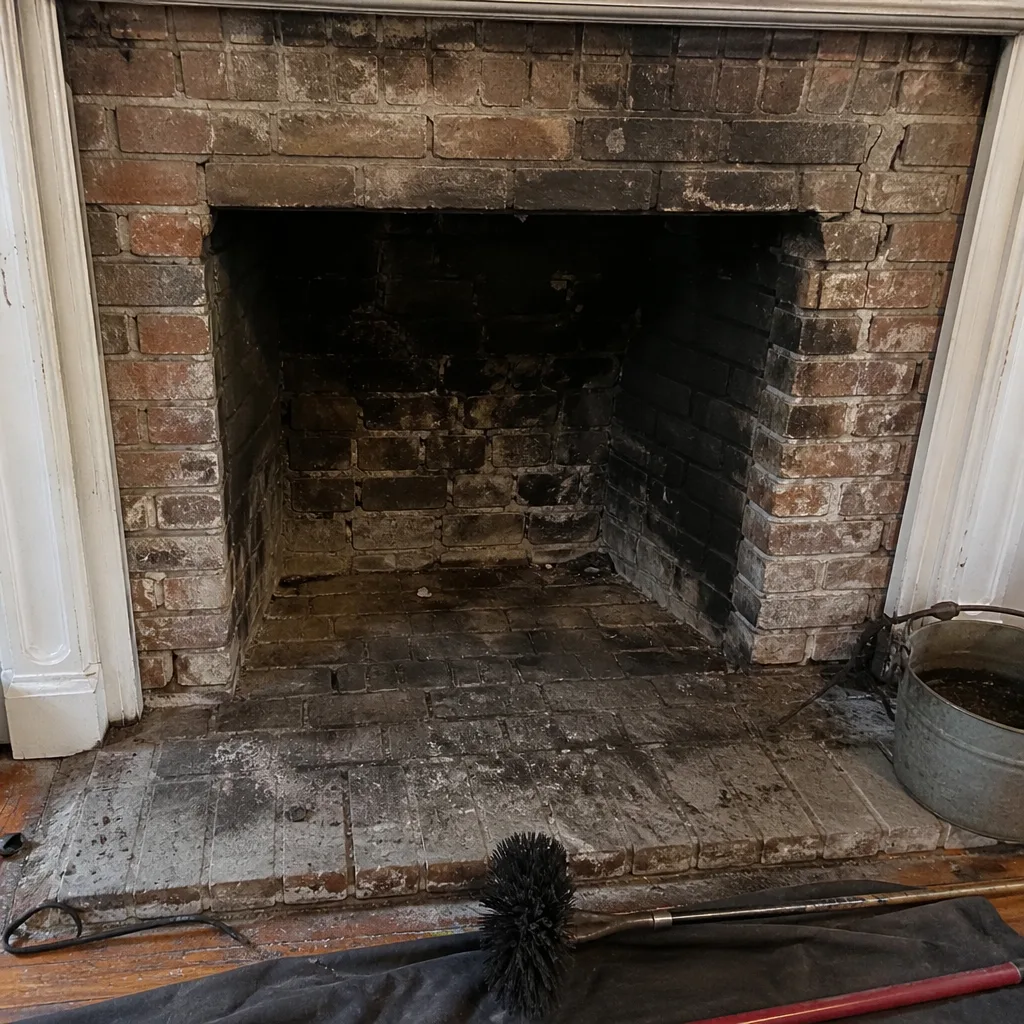
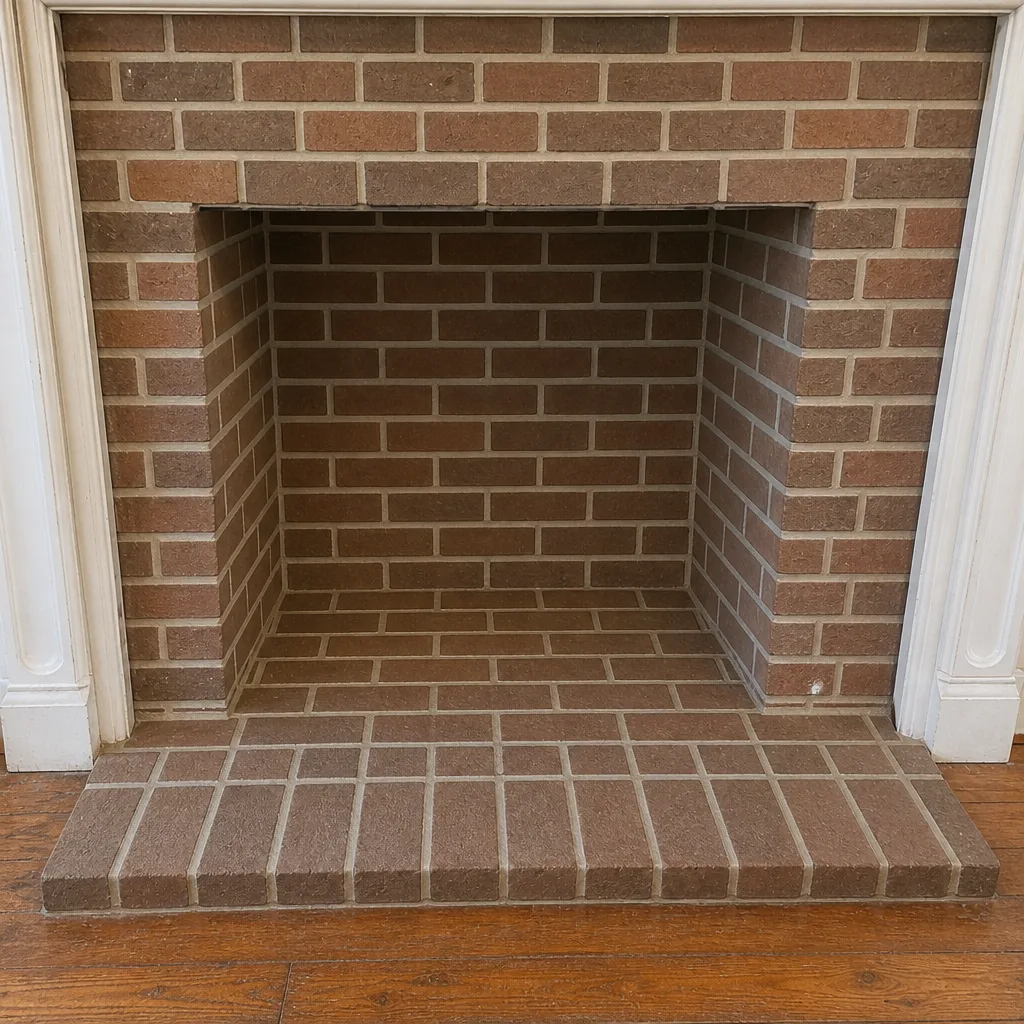
See the difference
 Before
 After
 Before
 After
 Before
 After
When to Call a Professional
Call a technician when the item on the checklist requires the roof, the liner camera, or a decision about the firebox. Specific triggers: a cap that’s missing or damaged, a crown that’s cracked or crumbled, flashing that’s lifted or shows rust staining below it, any sign of water inside the chimney or in the attic, a firebox with cracked or missing firebrick, a damper that won’t seat, or a gas conversion that hasn’t had a camera inspection of the liner this year. If you’re not sure whether something is a problem, the camera inspection settles it, and worth knowing: our technicians have up to 12 years of experience reading exactly that kind of evidence. Chimney Sweep Dilworth offers free estimates in Dilworth. Call (888) 378-0297 to book an inspection or a sweep. We answer 24/7. Fast dispatch from 7am to 7pm, Sunday through Friday.
Frequently Asked Questions
Once a year if you burn wood regularly, and once a year for a gas log conversion as well, even though it produces far less creosote. The annual visit is the sweep plus the inspection, and the inspection is what catches a failing liner, a cracked crown, or moisture getting in through the flashing. Light use can sometimes stretch the gap between wood sweeps, but a gas conversion should get a camera look at the liner every year. Call (888) 378-0297 for a free estimate.
Six components, in this order: cap, crown, flashing, liner, firebox, and damper. Each needs a pass-or-flag check, and for each you want to know what a good condition looks like versus what should raise a question. A complete checklist covers the whole system from the firebox to the cap, not just the flue. If you’d rather have a technician walk the full list, that’s a single visit.
You can safely check the firebox, the damper, and the cap and crown from the ground with binoculars. Anything that requires getting onto the roof, opening up the liner with a camera, or judging creosote buildup belongs with a technician. The liner is the big one: it’s the component most likely to hide a serious problem, and you can’t see it without a camera. Call (888) 378-0297 if you want a professional read on any of it.
Yes. Gas burns cleaner, so creosote is much less of a concern, but the combustion produces acidic condensate that corrodes a clay or metal liner over time. That makes annual camera inspection of the liner the priority item on a gas-conversion checklist. The cap and vent termination also need to be checked each year. It’s a different failure mode, not a lighter schedule.
The long humid season here means moisture intrusion is a bigger maintenance concern than in drier or colder regions. Water gets in through the cap, the crown, and the flashing, and does its damage slowly: brick spalling, softened mortar, and a clay liner that cracks when the next fire heats it unevenly. On a brick chimney, moisture often shows as white efflorescence on the surface or a stain below the roofline. On a stucco chimney, it frequently shows inside the attic first. Both are worth an annual look.
Because a home warranty claim or an insurance claim on a chimney can stall on the question of whether the failure was pre-existing. A dated report with photos shows the chimney was inspected on a regular schedule and was in a particular condition at a particular time. A simple log of date, service, findings, and repairs is enough. Ask for a camera inspection and photo report each year and keep it. Call (888) 378-0297 to start a documented inspection.
The Bottom Line
A Dilworth chimney checklist works when it’s built for Dilworth: mild winters, long humid summers, brick and stucco stacks that fail differently, and a lot of gas conversions quietly corroding around condensate. Check the cap, crown, flashing, liner, firebox, and damper each year. Keep the roof work and the liner camera with a professional. Keep a dated record of every inspection so a warranty or insurance claim doesn’t stall on an undocumented failure. A clean chimney is the starting point, not the finish line.
Chimney Sweep Dilworth handles sweeping, inspection, fireplace repair, and chimney cap & crown work as one scope, from the firebox to the cap, using professional-grade materials such as DuraFlex liner systems, HeatShield resurfacing, and caps and venting from Gelco, Famco, and Olympia Chimney. Every engagement can start with a formal inspection, so the recommendation comes with evidence you can see. Call (888) 378-0297 for a free estimate. We answer 24/7. Fast dispatch from 7am to 7pm, Sunday through Friday. For the full range of Chimney Sweep Dilworth services or to book a chimney sweep, get in touch and we’ll get you on the schedule.
Written by the team at Chimney Sweep Dilworth.