
Last updated November 22, 2026
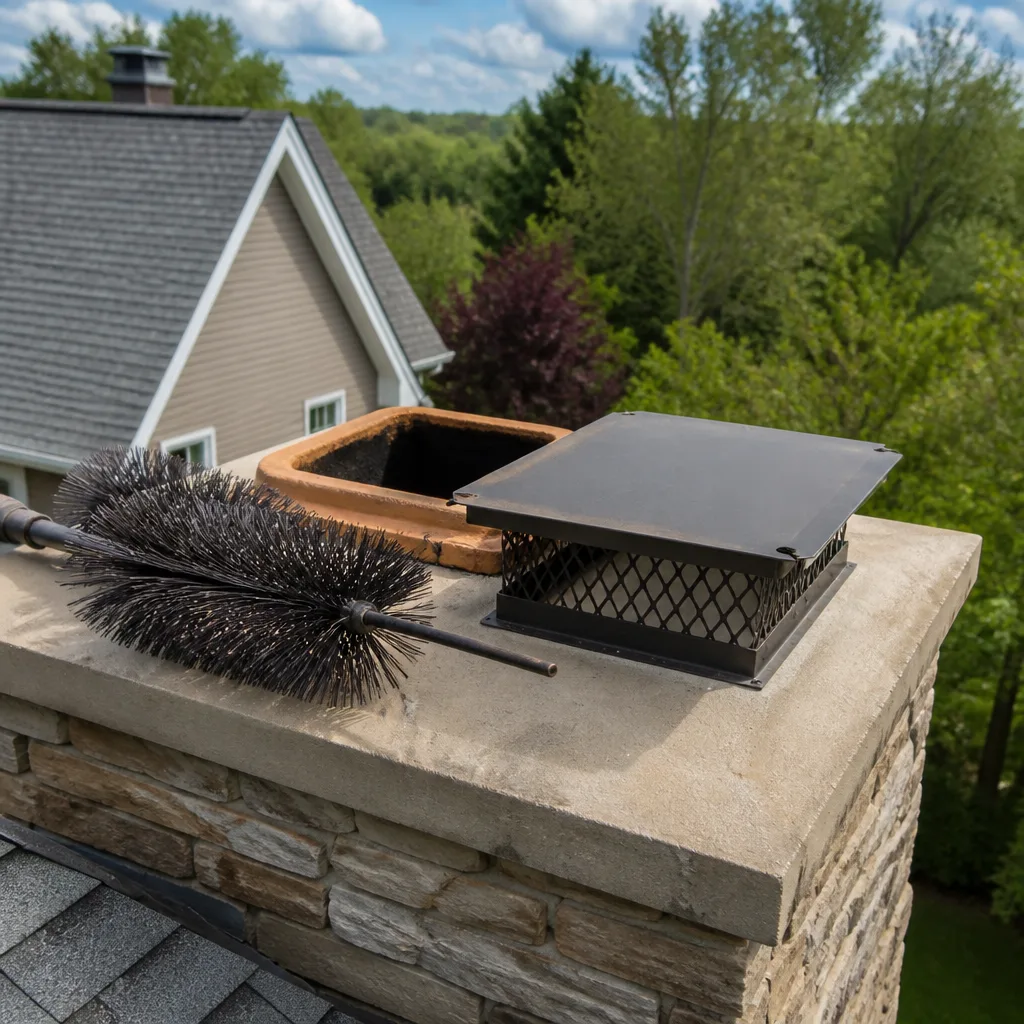 Sweep & inspection
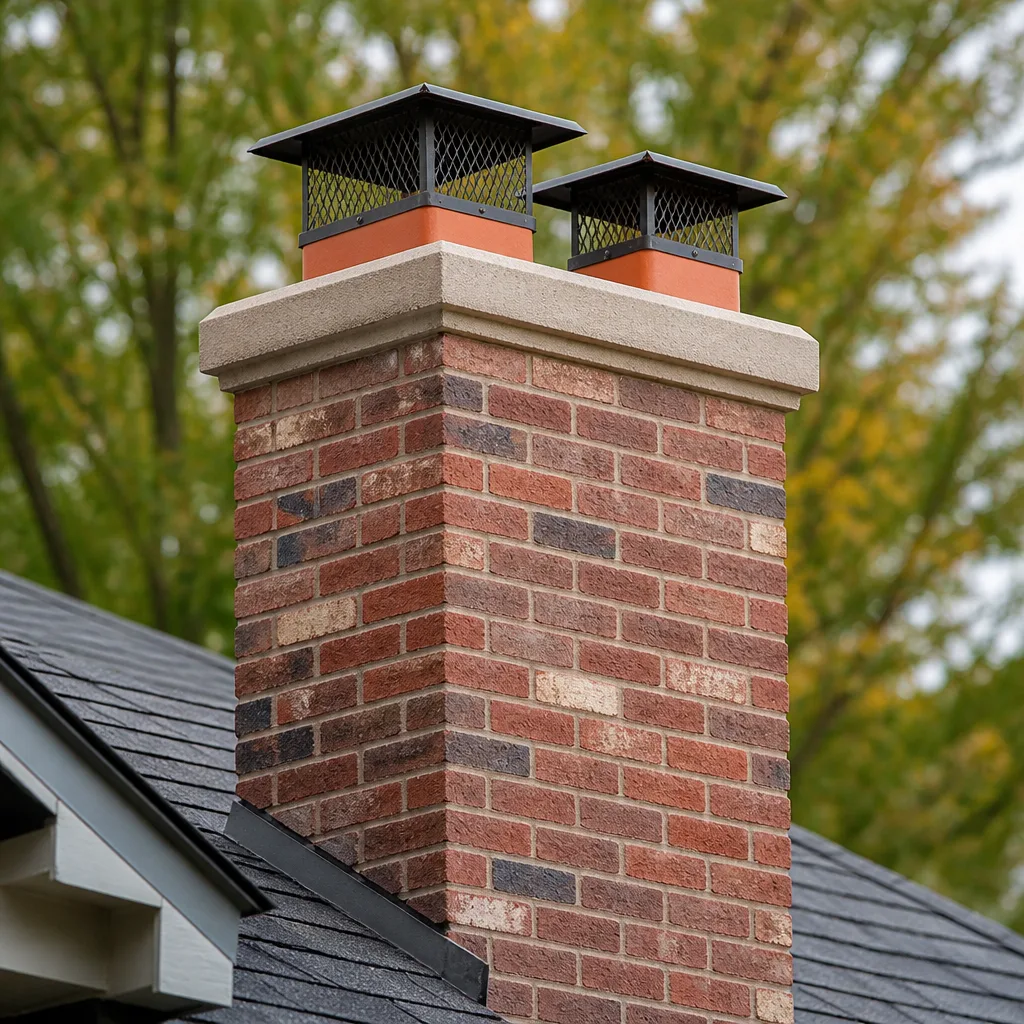 Caps & crowns
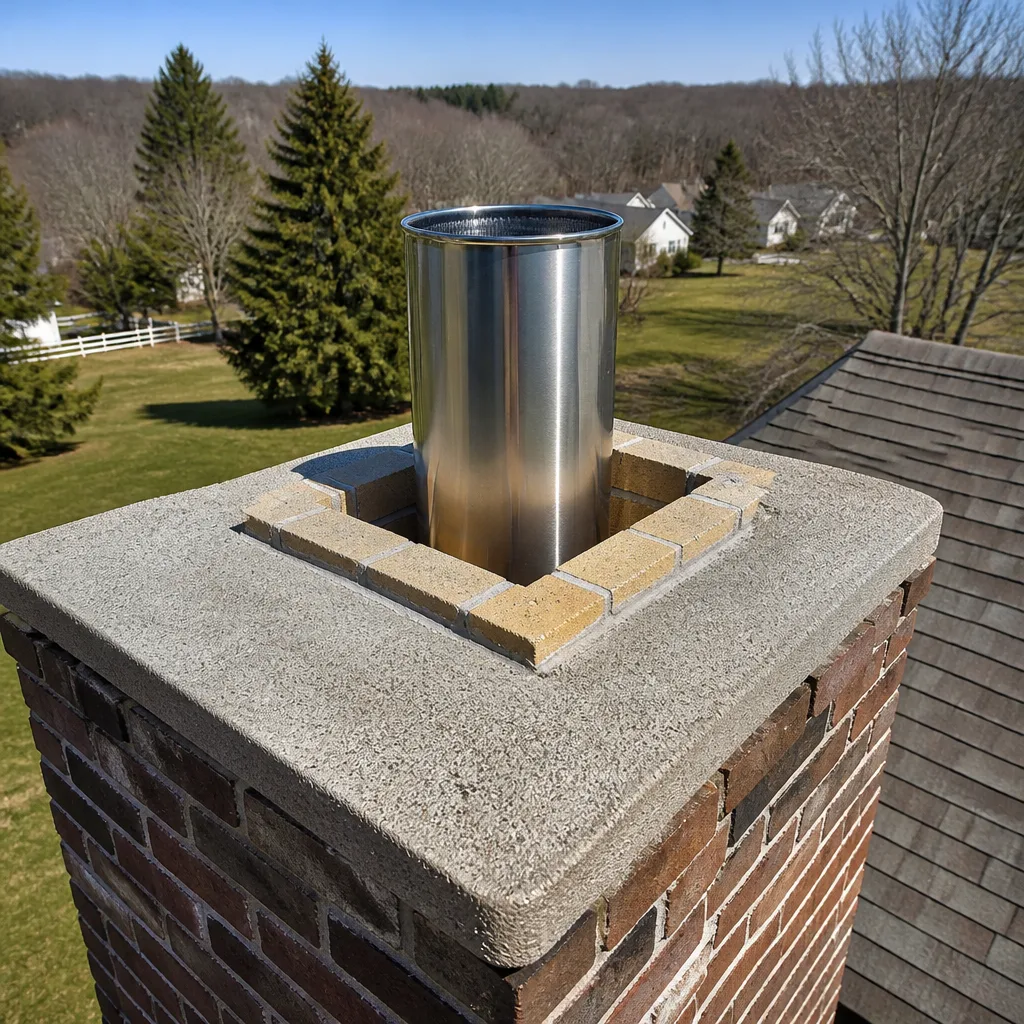 Flue relining
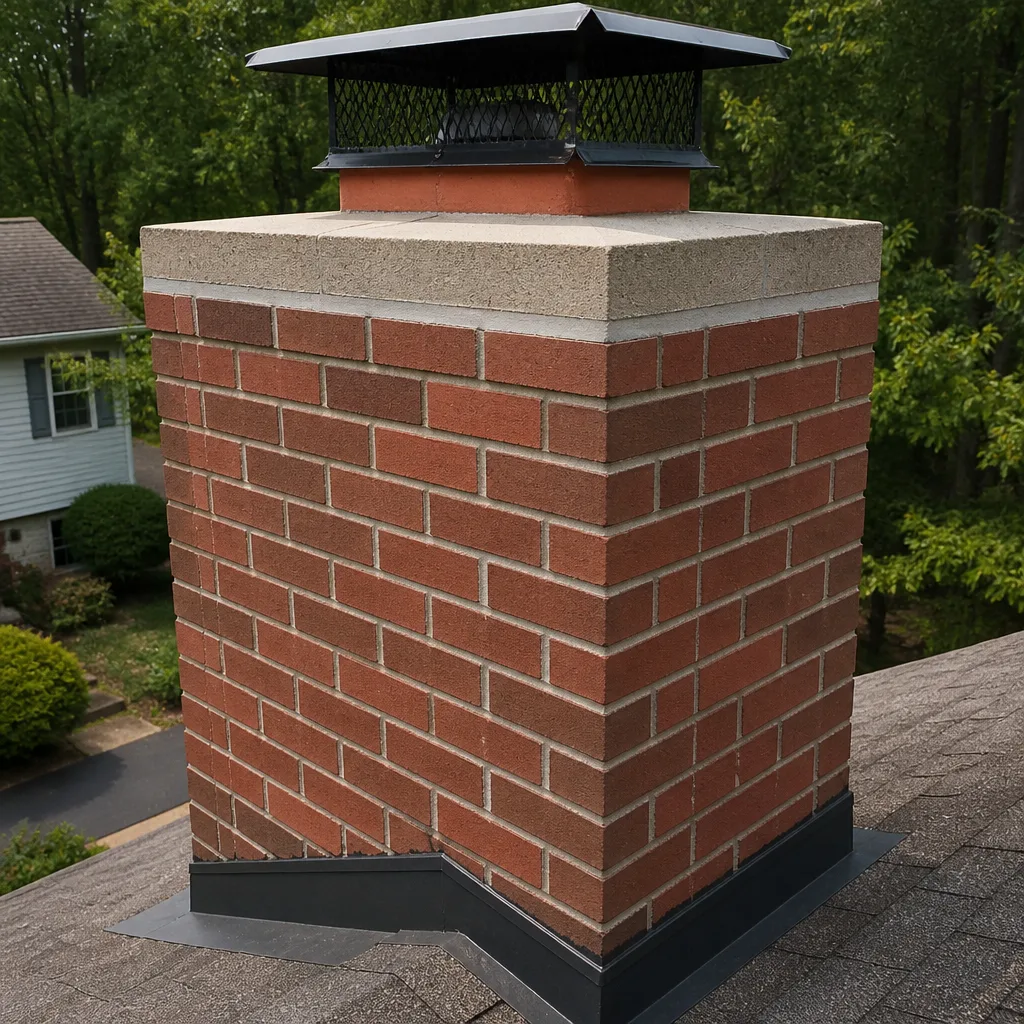 Masonry repair
 Gas fireplace service
Level 1 sweep and inspection to the NFPA 211 annual standard - flue, crown, cap, and flashing checked and photographed
Chimney sweep logs do not sweep chimneys. They loosen some creosote - which then falls where a brush and vacuum still have to collect it.
How to Hire a Chimney Cleaning Contractor in Dilworth: A Step-by-Step Guide
The hardest part of hiring a chimney contractor in Dilworth isn’t finding one. It’s telling the legitimate full-system specialists apart from the discount sweep crews who quote low, miss problems, and vanish when damage surfaces months later. A cheap cleaning can look complete: a brush through the flue, a certificate left on the mantel. What a quick pass often skips is the cracked crown, the failing liner, or the creosote gathering on the upper flue, and those are the things that decide how your chimney performs through a cold season and whether it’s safe to burn at all. This guide walks you through the exact questions to ask, the documents to demand, and the red flags that mark a contractor you should not book. By the end you’ll know how to vet a sweep in Dilworth like someone who understands the system, not just the price list.
Quick Answer
To hire a chimney cleaning contractor in Dilworth, verify the technician’s certification (CSIA or NFI), confirm the written scope of work and post-inspection report, and check that the contractor carries insurance that specifically covers chimney work. A legitimate contractor inspects before recommending, documents what they find with photos or video, and gives you a written scope you can compare. A cleaning-only company brushes the flue and leaves; a full-system specialist handles the firebox, liner, crown, and cap, and tells you plainly when work can wait.
Styles & brands we work with
- Sweep & inspection
- Caps & crowns
- Flue relining
- Masonry repair
- Gas fireplace service
Table of Contents
- The Five Questions to Ask Before You Book
- What Certification Actually Means: CSIA vs. NFI
- Why a Written Scope of Work Is Non-Negotiable
- How to Verify Insurance Covers Chimney Work
- Cleaning Company vs. Full-System Specialist
- What a Legitimate Level 2 Inspection Includes
- Red Flags in a Contractor’s Proposal
- Common Mistakes to Avoid
The Five Questions to Ask Before You Book
Most homeowners book a chimney sweep the way they book a carpet cleaner: find a number, ask the price, pick the low one. That works fine for carpets. It fails for chimneys because the price you’re quoted often covers only the flue brush work, not the inspection that tells you whether your system is safe. The five questions below separate a serious contractor from a price-driven one, and every legitimate chimney professional in Dilworth will answer all five without hesitation.
- What certification does the technician hold? Ask for the specific credential, not “we’re certified.” CSIA and NFI are the two that matter, and we’ll explain the difference in the next section.
- What does the price include? A cleaning alone is not an inspection. Ask whether the quote covers a visual check of the firebox, damper, crown, and cap, and whether you get a written report.
- Who does the work, and are they insured? Confirm whether the person on your roof is an employee of the company or a subcontractor, and get proof of insurance in writing.
- Will I get the inspection findings in writing? Ask for photos or video of anything they flag. If they can’t show you, you can’t verify it.
- What’s your process if you find damage? A full-system specialist can repair what they find. A cleaning-only company has to hand you off to someone else, which leaves a gap in accountability.
Ask these before you book, not after the technician is on the roof. The answers tell you more about a contractor than any review or special offer. If a company can’t or won’t answer the certification question, that’s your signal to keep looking. A clean chimney is the starting point, not the finish line, and the questions you ask at booking set the standard for how the visit goes.
What Certification Actually Means: CSIA vs. NFI
When you ask about certification, you’ll usually hear one of two acronyms: CSIA or NFI. They are not the same credential, and understanding the difference helps you hire for what your chimney actually needs. The CSIA (Chimney Safety Institute of America) certifies chimney sweeps and technicians on inspection, sweeping, and the overall condition of the venting system. NFI (National Fireplace Institute) certifies technicians on the appliance side: how fireplaces, wood stoves, and gas units are installed and vented. Both are legitimate. They cover different parts of the job.
Here’s why it matters in a Dilworth home. If your concern is creosote buildup, a flue that’s drafted poorly, or a crown that’s letting water in, a CSIA-certified technician handles that. If you’re thinking about a wood stove insert or a gas appliance change and want to know whether the venting is correct for the unit, an NFI-certified technician answers that. A well-rounded company often has both credentials on staff, but the credential that matters most for routine sweep and inspection work is the CSIA one.
- CSIA: covers sweeping, inspection, and venting-system condition. The credential to look for on a routine cleaning and inspection.
- NFI: covers appliance installation and venting for fireplaces, stoves, and gas units. Relevant if you’re changing the appliance.
- Neither: a brush and a ladder with no credential. Ask what training the technician has had.
Certification is also a proxy for how a contractor stays current. A certified technician recertifies on a cycle, which means they’re keeping up with changes in venting standards and inspection practice. When we send a technician out, it’s a certified one who knows what to look for beyond the visible flue. Our technicians have up to 12 years of experience, and that experience is backed by credentials that hold up when you ask.
Why a Written Scope of Work Is Non-Negotiable
A written scope of work is the single most important document in a chimney hire, and it’s the one most homeowners never ask for. The scope tells you exactly what the contractor will do, what they won’t do, and what it costs. Without it, “cleaning” can mean anything from a ten-minute brush pass to a full inspection with photos, and you have no way to compare one quote to the next or to hold anyone accountable for what was or wasn’t done.
The scope should be specific. “Sweep chimney” is not a scope. “Sweep the flue, inspect the firebox, damper, smoke chamber, crown, and cap, provide a written report with photos of any identified issues, and recommend repairs separately with a written estimate” is a scope. Demand that level of detail. It protects you, and a contractor who writes it that way is generally one who takes the work seriously.
The post-inspection report is the other half of the equation. After the sweep, you should get a document that records what the technician found: creosote level, condition of the liner, cracks in the crown, missing or damaged cap, any evidence of water intrusion or animal nesting. It should say what’s fine, what needs attention now, and what can wait. We document what we find before we recommend anything, and we show the homeowner the photos, so the recommendation is based on evidence they can see, not on a technician’s word. That report becomes your baseline. Next season, you or the next contractor knows exactly where the system stood.
If a contractor won’t put the scope and the findings in writing, that’s a red flag, and it’s the one that costs homeowners the most over time because there’s no record of what was missed.
How to Verify Insurance Covers Chimney Work
A contractor can carry general liability insurance and still not be covered for the specific work they’re doing on your chimney. That’s the trap. General liability policies often exclude or limit coverage for fire-related claims, and chimney work sits close to that line. Roof access adds another layer, since a fall from your roof or a dropped tool onto your property may fall outside a policy written for ground-level work. Before you book, ask two things: what coverage the contractor carries, and whether chimney and roof work are explicitly included.
How to verify it, step by step:
- Ask for the certificate of insurance. It should name the contractor and show general liability coverage with current dates.
- Ask specifically about chimney and roof work. Don’t accept “we’re fully insured” as an answer. Ask whether the policy covers high work and fire-related claims.
- Call the insurer if you want to be certain. The certificate lists the insurer, and they’ll confirm coverage. It takes a few minutes and settles the question.
- Keep the certificate with your scope of work. If something goes wrong, you have the paper.
This step matters more in an older home than a newer one. Dilworth has a mix of housing stock, and a chimney that’s been through decades of heating seasons is more likely to present something a technician has to work around. Insurance is the backstop when something unexpected happens. A full-system contractor who does repairs, not just cleanings, is also likely to carry coverage that matches the scope of what they do, because they’re on roofs and inside flues regularly. The contractor who can’t produce a certificate is one you shouldn’t let on your roof.
Cleaning Company vs. Full-System Specialist
The most common hiring mistake in Dilworth is buying a cleaning when what you need is a specialist. A cleaning company brushes the flue, bags the creosote, and leaves. A full-system chimney specialist handles the entire assembly: the firebox, the smoke chamber, the flue liner, the crown, the cap, and the venting components. Those are two different scopes, and the difference shows up the moment the sweep finds damage.
Here’s how to think about when each one is appropriate. If your chimney was inspected recently, the liner is in good condition, and you burn regularly, a cleaning may be all you need for the season. If you’ve just moved in, haven’t had the system looked at, or noticed water stains, a smoky fire, or a smell, you need a specialist who can diagnose and repair, because a cleaning-only company will find a problem they can’t fix and hand you off, which leaves a gap in accountability exactly where you can least afford one. A full-system specialist diagnoses, recommends, and completes the repair under one roof, and the recommendation is backed by documented findings.
- A cleaning company can: sweep the flue, remove creosote, and hand you a certificate of service.
- A full-system specialist can: sweep, inspect to a higher standard, resurface or reline, repair the firebox, and replace the crown or cap.
- What you should never accept: a cleaning sold as an inspection, with no written report and no photos.
When you need the specialist is the moment a sweep finds something they can’t address. If the liner is cracked and needs a flexible liner system like DuraFlex, or the flue walls are deteriorated and need ceramic resurfacing like HeatShield, a cleaning-only company has to refer you out. We handle both, which means the decision about the repair stays with the person who saw the problem. From the firebox to the cap, the whole system is one scope, and one contractor accounts for it.
What a Legitimate Level 2 Inspection Includes
You’ll hear “Level 2 inspection” thrown around, and it’s worth knowing what the term actually means so you can tell whether what you’re being sold meets it. The three levels come from NFPA 211, the national standard for chimneys, fireplaces, vents, and solid-fuel appliances. A Level 1 is a visual check of the readily accessible parts of the system. A Level 2 goes further: it covers the accessible portions, but it’s required when there’s a change in the system (a new appliance, a change in fuel type), after a chimney fire, or when you’re buying a home. A Level 3 is diagnostic and may require opening walls to reach concealed areas. Most homeowners get sold a Level 1 or a cleaning and told it’s enough. It often isn’t.
A Level 2 inspection should include a video scan of the flue if the standard requires it, and most professional contractors scan routinely on a Level 2 because it’s the only way to see the inner surface of the liner. The scan reveals cracks, gaps, spalling, and buildup that a visual check from the damper can’t reach. Ask whether the scan is included, and ask to see the footage. A legitimate contractor will show you.
- Level 1: visual check of accessible components. Fine for routine maintenance when the system hasn’t changed.
- Level 2: includes a video scan of the flue, required after a chimney fire, a fuel or appliance change, or a home sale.
- Level 3: diagnostic access to concealed areas, used when a Level 2 isn’t enough to explain the problem.
If a contractor quotes you a “Level 2 inspection” but can’t describe what’s in it, or won’t share the scan, question it. The standard is specific enough that anyone selling it should be able to tell you what they’ll do and what you’ll receive. That’s also where an inspection-first workflow pays off: every engagement we take on can begin with a formal inspection, so repair recommendations come from findings you can verify against NFPA 211, not from a sales pitch.
Red Flags in a Contractor’s Proposal
The hardest part of the hire is spotting the proposal that looks fine but hides problems. Discount sweep crews have refined their pitch, and the red flags are often things that sound reasonable until you know what to look for. In our experience working with homeowners in Dilworth, these are the markers we see most often on proposals that didn’t hold up.
- A price that’s suspiciously low for the scope. A cleaning-only price can look attractive until you realize nothing was inspected and nothing was recorded.
- No written scope of work or post-inspection report. If the agreement is verbal and the findings aren’t documented, there’s nothing to compare and nothing to hold anyone to.
- A certificate of service with no inspection behind it. A certificate proves a technician showed up, not that the system is safe.
- Immediate pressure to schedule major work. Legitimate recommendations can be planned. Work that has to be booked that day is a sales tactic.
- No photographs or video of what they claim. If you can’t see the cracked crown or the failing liner, you’re taking a recommendation on faith.
- Vague answers on certification and insurance. A contractor who won’t name a credential or produce a certificate hasn’t earned the job.
- No path to the repair. If they find damage and hand you to another company, the person who saw the problem isn’t the one fixing it.
The unifying theme is a proposal that won’t be pinned down. A contractor with nothing to hide gives you the scope, the report, the photos, the certificate, and a written estimate. The discount crew that burns homeowners is the one that gives you a price, a certificate, and a schedule. The difference shows up six months later, not on the day of the visit.
Common Mistakes to Avoid
- Treating a cleaning as an inspection. A sweep clears the flue; an inspection tells you whether the system is safe. If your contractor doesn’t explain the difference, you’re likely buying the cheaper of the two without knowing it.
- Booking on price alone. A low quote that skips the inspection and the report costs more in the long run than a fair quote that covers both, because the problems a cheap sweep misses don’t go away.
- Not asking for certification by name. “We’re certified” means nothing without the credential. Ask for CSIA or NFI specifically, and don’t accept a brush and a ladder as a substitute.
- Skipping the insurance check. General liability doesn’t always cover chimney and roof work. Verify coverage for the specific work before anyone gets on your roof.
- Accepting a verbal plan for repairs. Get the scope, the estimate, and the findings in writing. A verbal “we’ll fix that” is hard to enforce when the repair is due.
- Ignoring the crown and cap. These are the two most common entry points for water intrusion, and a sweep-only contractor often leaves both unaddressed because they’re a separate scope.
- Waiting until burning season to book. Dilworth homeowners who wait until the first cold snap compete for the same inspection slots everyone else wants. Booking before the season gives you the findings in time to plan repairs without pressure.
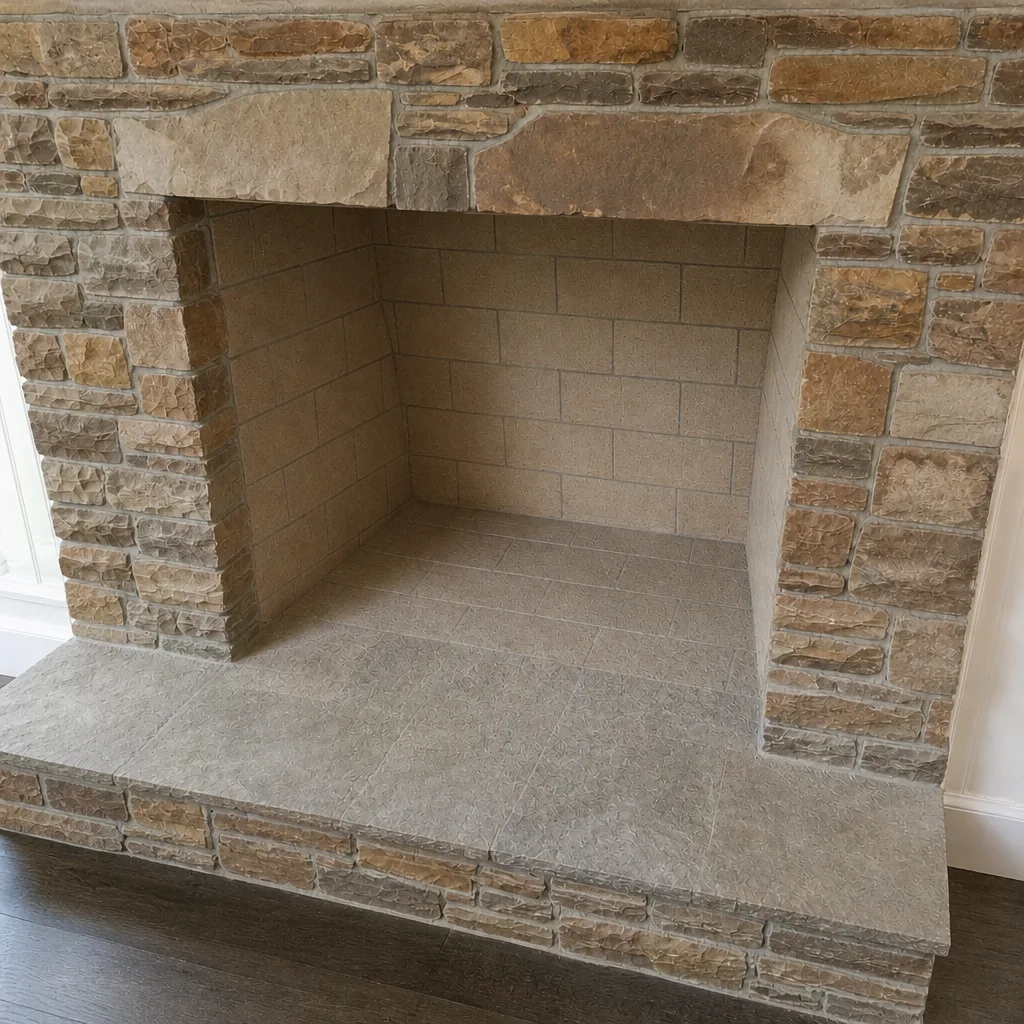
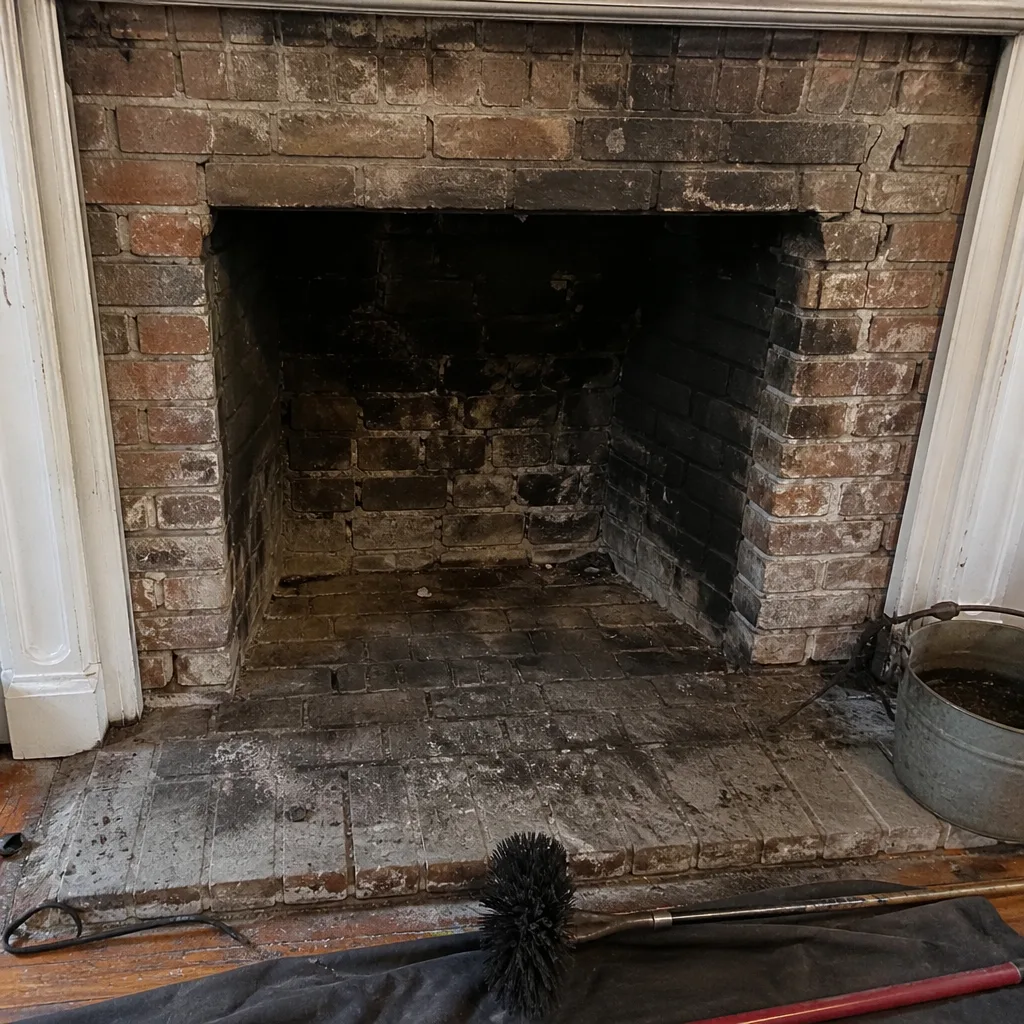
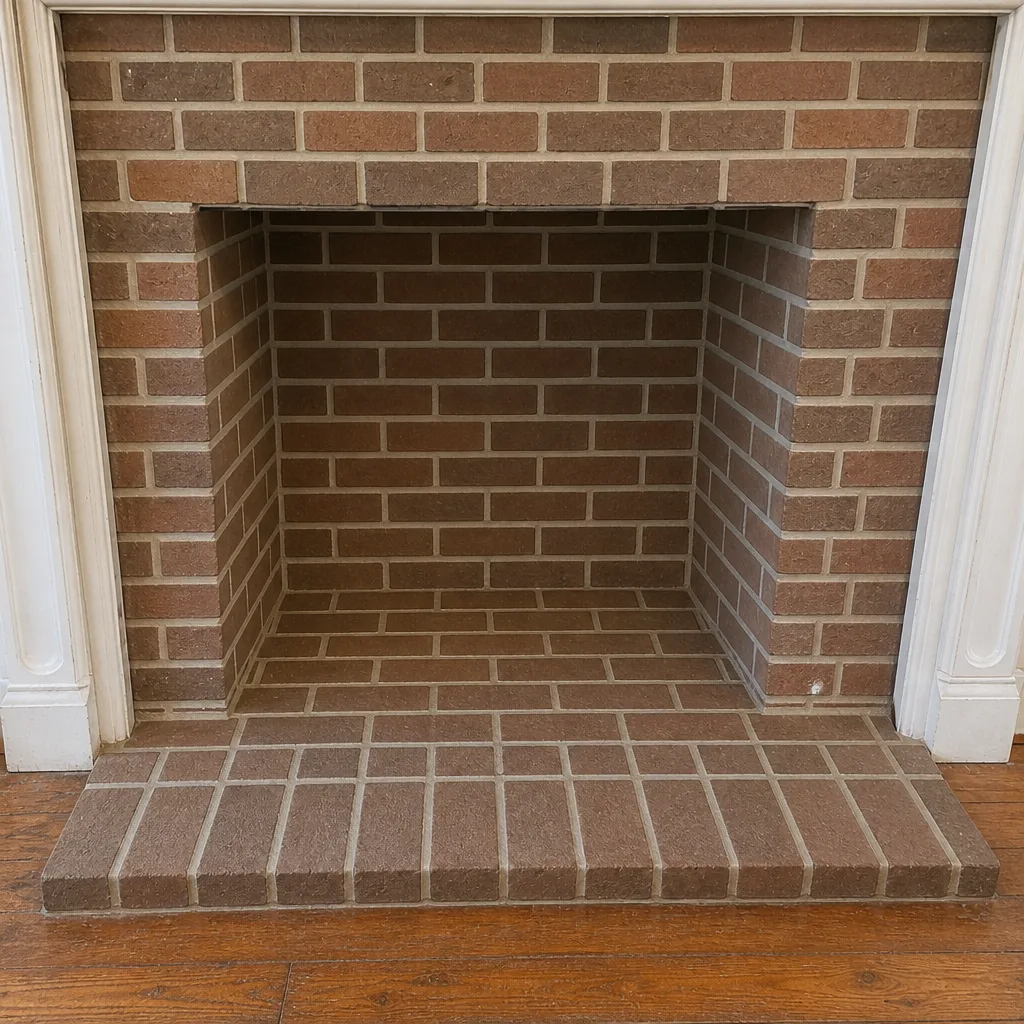
See the difference
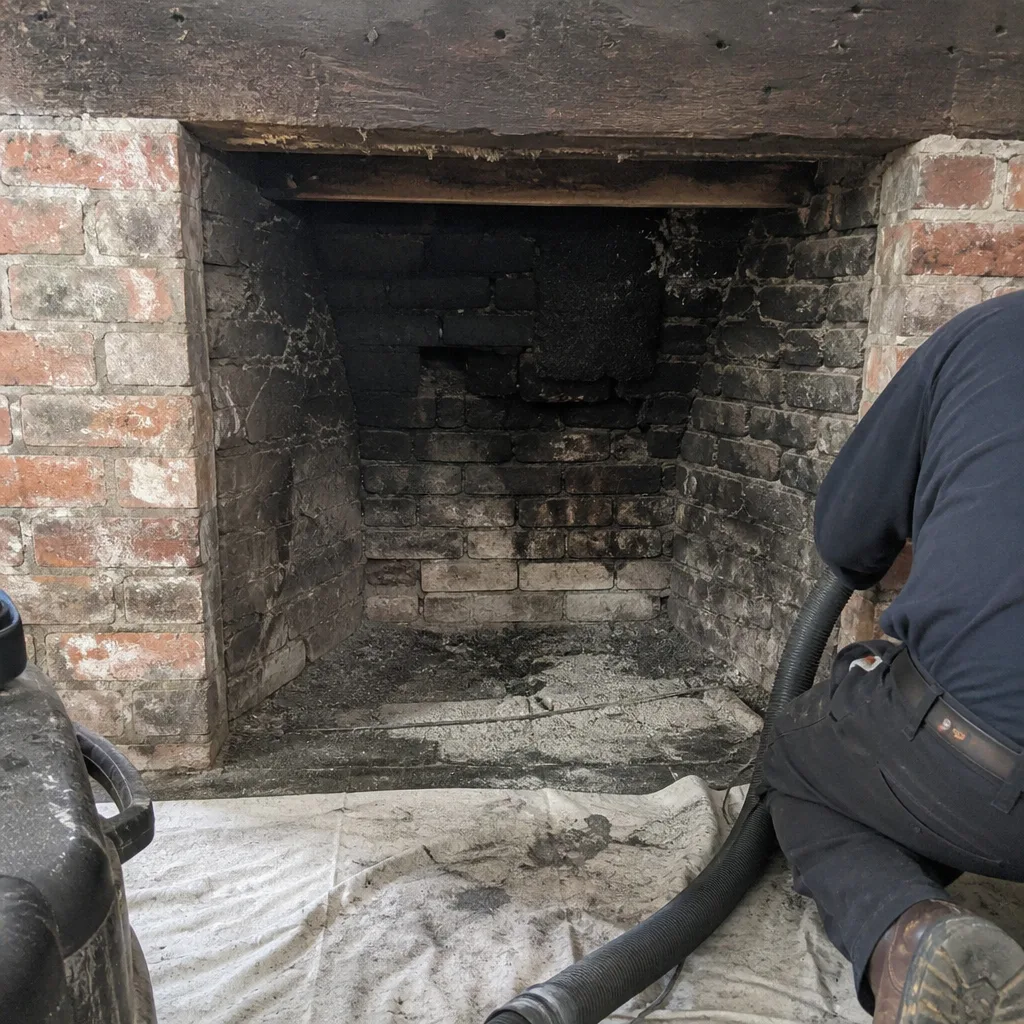 Before
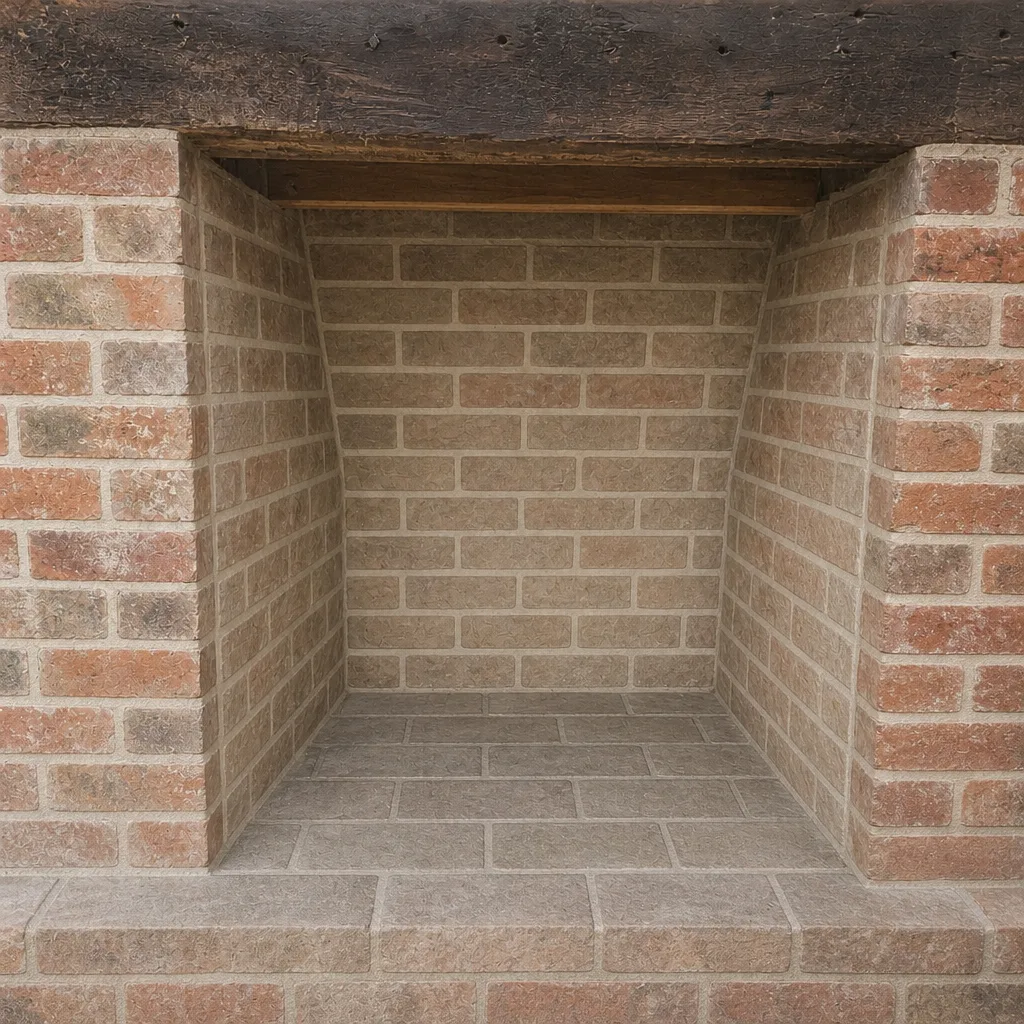 After
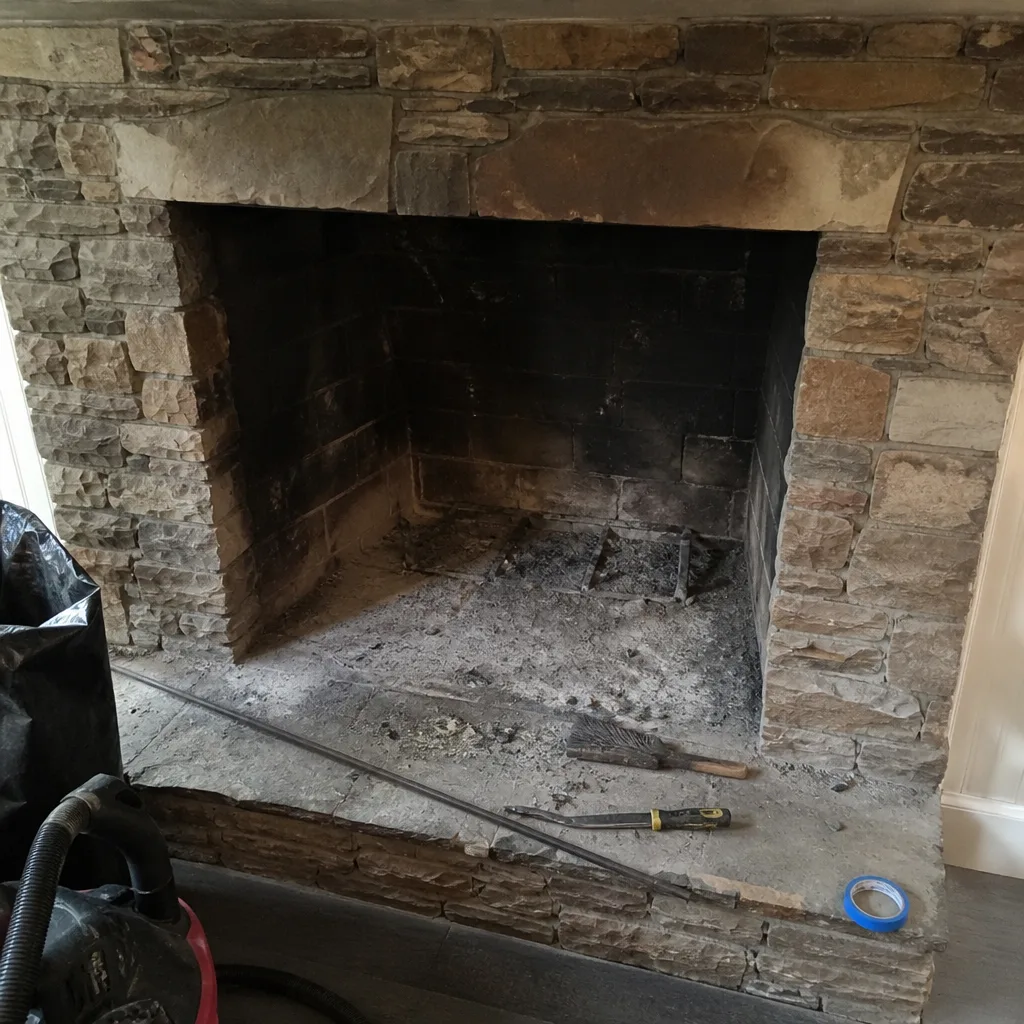 Before
 After
 Before
 After
When to Call a Professional
Some jobs are maintenance and some are urgent, and knowing the difference helps you book the right help. Call a professional if you haven’t had the chimney inspected in the last year of regular burning, if you’ve moved into a home whose chimney history you don’t know, or if you’ve had a chimney fire. Call right away if you notice a strong creosote smell, water stains around the firebox or on the ceiling near the chimney, a fire that smokes into the room, or signs of animal nesting in the flue. Any of those means the system needs a proper inspection before you burn again. If you’re planning to install a new appliance or change fuel type, that triggers a Level 2 inspection under the standard.
Chimney Sweep Dilworth offers free estimates in Dilworth. Call (888) 378-0297. We answer 24/7. Fast dispatch from 7am to 7pm, Sunday through Friday. The estimate is free, and the written estimate sets the final price.
Frequently Asked Questions
A chimney sweep in Dilworth is priced per job by a written estimate, and the cost depends on the scope: a routine cleaning and visual check is priced differently from a Level 2 inspection with a video scan. You’ll get a written estimate before any work is booked, so you know the price up front. Call (888) 378-0297 for an exact quote; estimates are free.
Not always. A liner needs replacing when it’s cracked, deteriorated, or no longer suitable for the fuel you burn, and the only way to know is a proper inspection with a video scan. A flexible liner system like DuraFlex is a professional-grade solution when the existing liner has failed, but if the liner is sound, you don’t need one. Nothing is recommended without camera evidence you can see for yourself. Call (888) 378-0297 to book an inspection.
A chimney should be swept at least once a year when you burn regularly, and more often if you burn a lot of wood or notice buildup. The inspection matters as much as the sweep, because it tells you what’s happening inside the flue between cleanings. If you can’t remember the last inspection, book one. Call (888) 378-0297 for an exact quote; estimates are free.
Skipping a sweep lets creosote accumulate, and creosote is the fuel that feeds a chimney fire. Skipping an inspection means you won’t know about a cracked crown or failing liner until it’s caused water damage or a worse problem. Carbon monoxide risk also rises when a venting system is compromised and you don’t know it. Call (888) 378-0297 and we’ll tell you what the system needs, and what can safely wait.
CSIA certification covers chimney sweeping, inspection, and overall venting-system condition. NFI certification covers the appliance side: fireplaces, stoves, and gas units, including how they’re installed and vented. For routine sweep and inspection work, look for a CSIA-certified technician; for a new appliance or a fuel change, NFI experience matters. Ask the name and the credential before you book in Dilworth.
Yes. A chimney cap & crown is a dedicated service, and it’s often the fix for water intrusion that a sweep-only company leaves unresolved. Caps and venting components come from brands professional chimney specialists specify, like Gelco and Copperfield, and the work can be scheduled alongside a sweep or after an inspection finds the issue. Call (888) 378-0297 for an estimate.
The Bottom Line
Hiring a chimney cleaning contractor in Dilworth comes down to a few unglamorous steps: ask for the certification by name, demand a written scope and a post-inspection report, verify insurance that covers chimney work, and know whether you’re buying a cleaning or a full-system inspection. The discount crews that burn homeowners are the ones that skip all four. The legitimate contractors answer every question without hesitation, show you what they found, and tell you what can wait. A clean flue is the starting point, not the finish line. Call (888) 378-0297 for a free estimate, start with an inspection, and get repairs that are built to last past the next heating season.
For more on the work itself, see our main Chimney Sweep Dilworth page, book a chimney sweep, or explore fireplace repair if your firebox or damper needs attention.
Written by the team at Chimney Sweep Dilworth.