
Last updated November 22, 2026
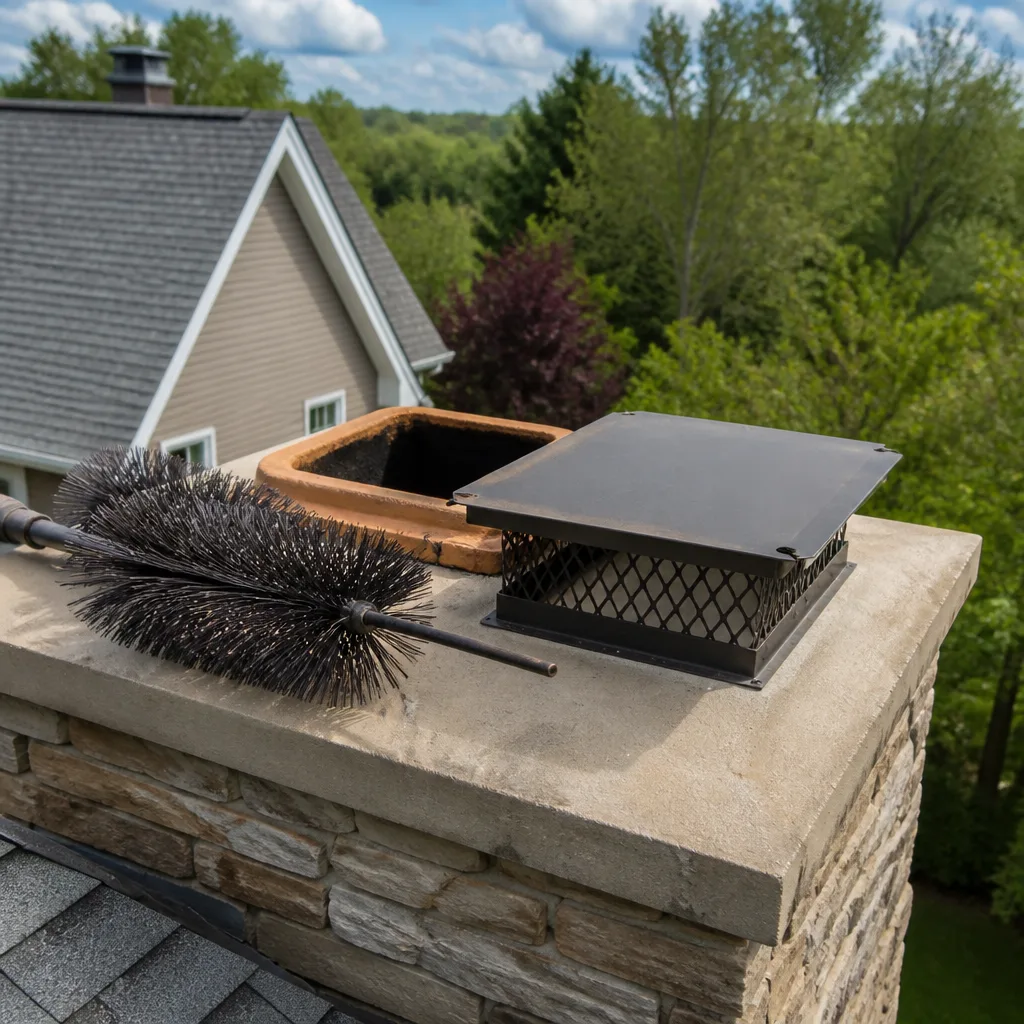 Sweep & inspection
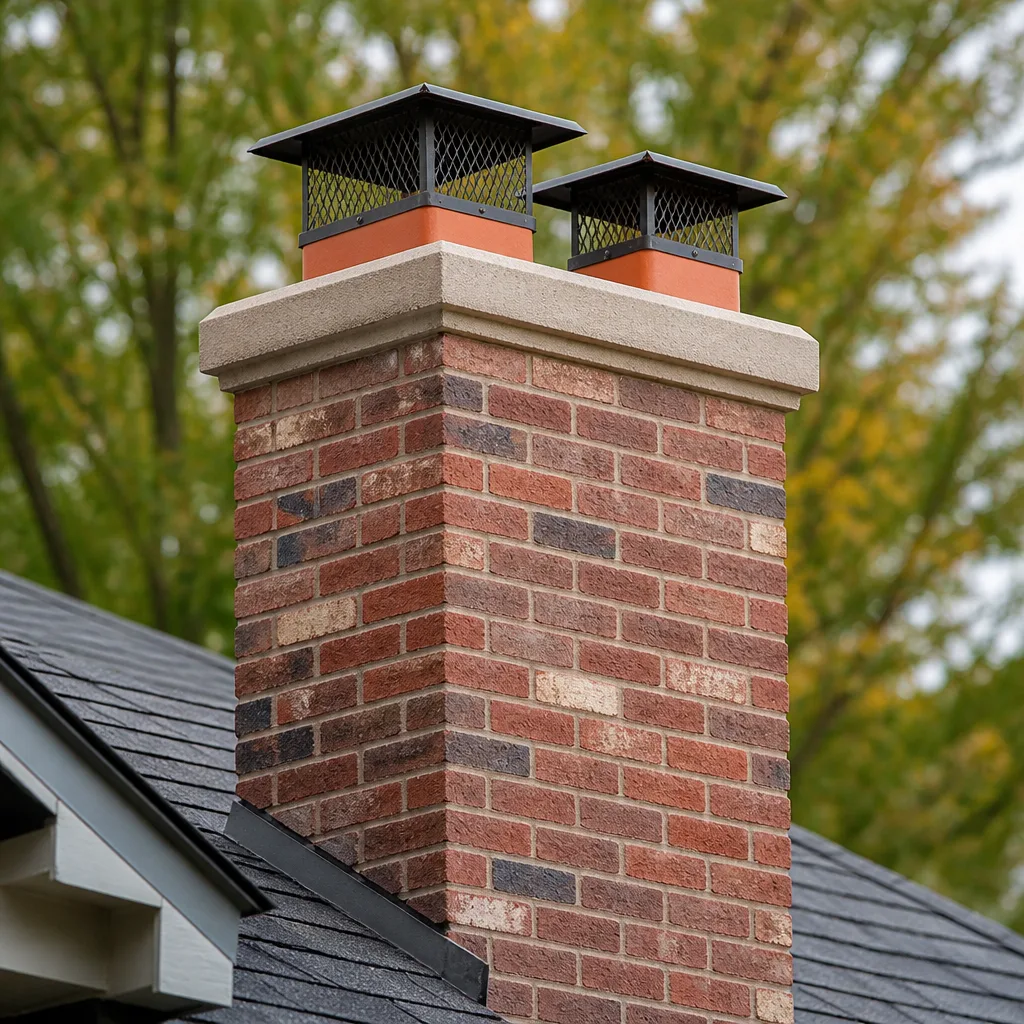 Caps & crowns
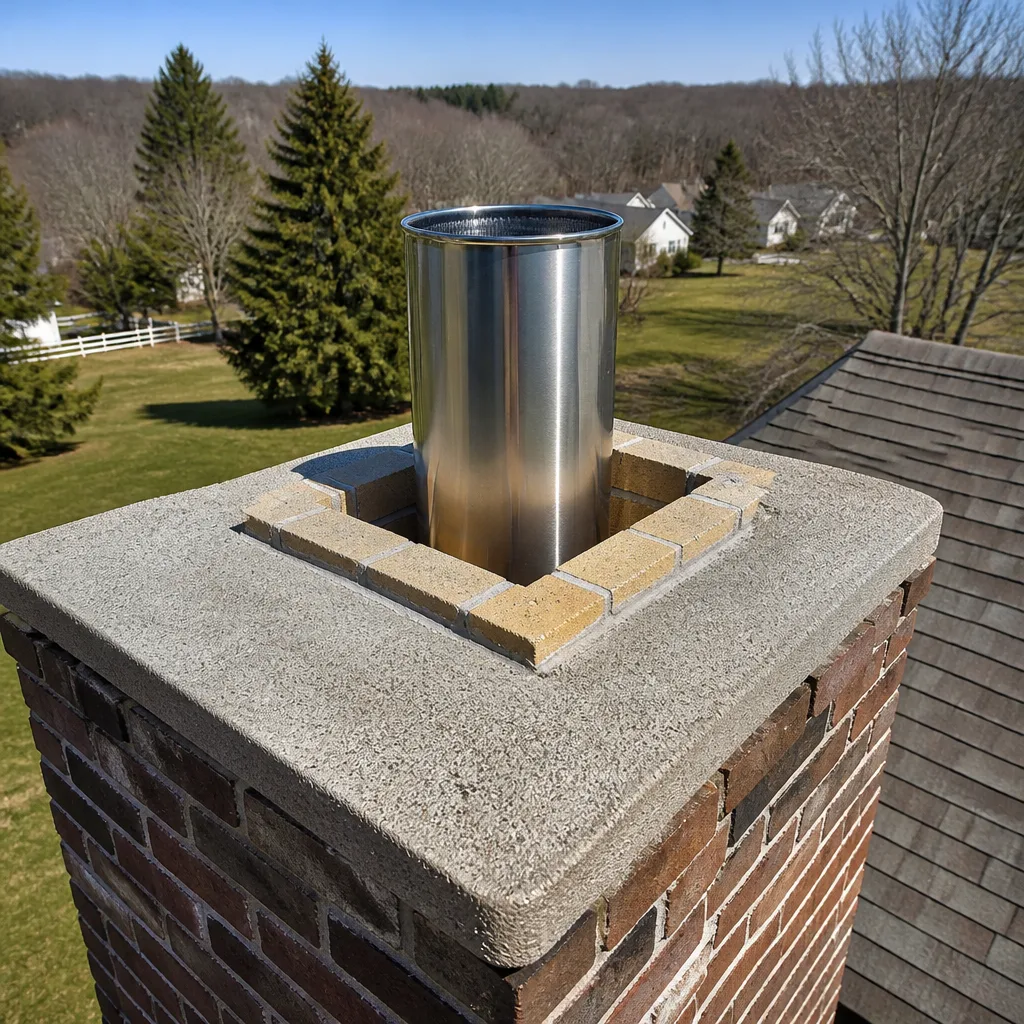 Flue relining
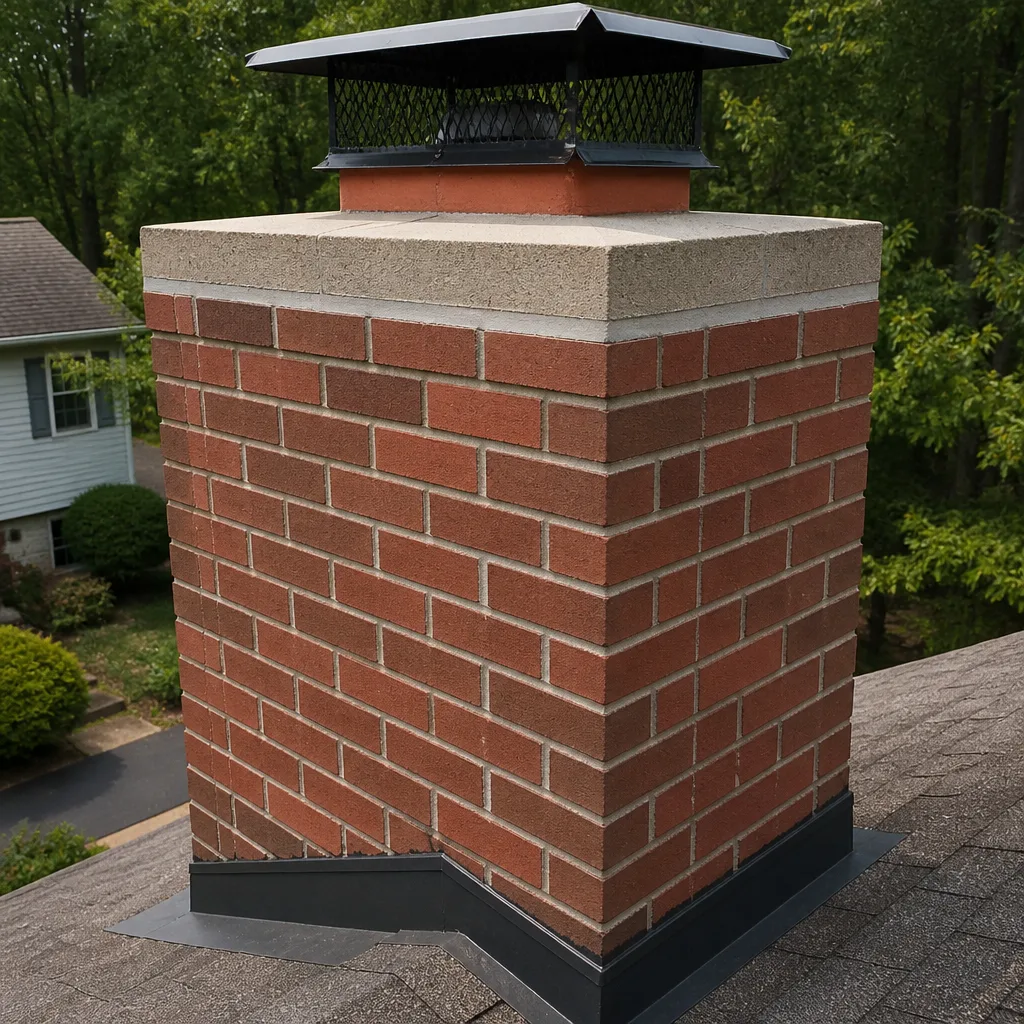 Masonry repair
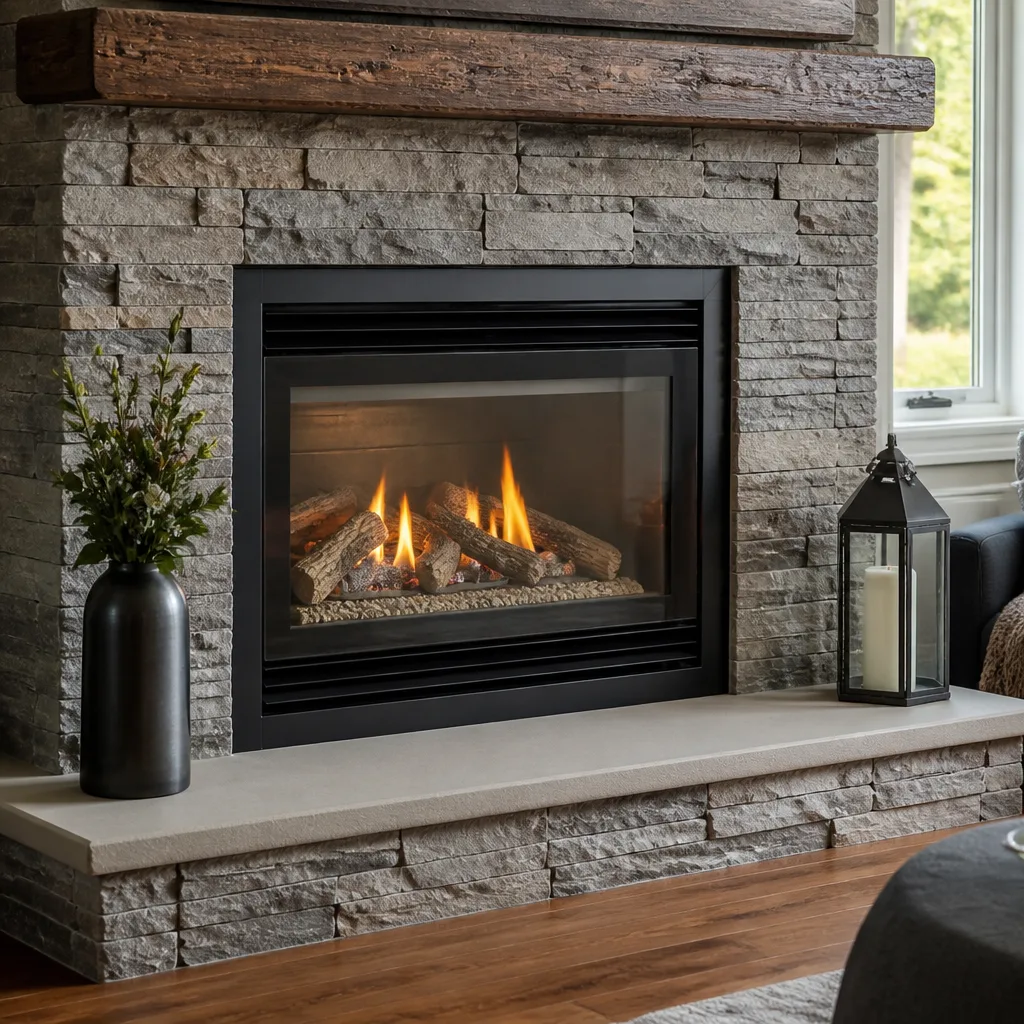 Gas fireplace service
Level 1 sweep and inspection to the NFPA 211 annual standard - flue, crown, cap, and flashing checked and photographed
Chimney sweep logs do not sweep chimneys. They loosen some creosote - which then falls where a brush and vacuum still have to collect it.
Chimney Cleaning Permits, Codes & Inspections in Dilworth, NC: What You Need to Know
No one pulls a permit to sweep a chimney. But the contractor who finds a cracked liner, replaces it without a permit, and hands you a receipt has just created an unpermitted improvement on your property, one that inspectors can and do flag during a home sale in Dilworth and across Mecklenburg County. Most homeowners assume a chimney is either swept or it isn’t, and never ask whether the repair they paid for left a paper trail. This guide explains what North Carolina’s building code and NFPA 211 actually govern, which repairs trigger a permit, how to check that a contractor is pulling one, and what to do if a previous owner left you with unpermitted chimney work.
Quick Answer
Routine chimney cleaning in Dilworth, NC does not require a permit, but structural repairs that follow a cleaning, such as liner replacement, crown rebuilds, and masonry work, are generally permitted work under the North Carolina Residential Code and are inspected by Mecklenburg County. NFPA 211 sets the inspection standard (Level 1, 2, and 3), while the state code sets what must be built to standard and signed off. A document trail behind those repairs matters at resale and for insurance.
Styles & brands we work with
- Sweep & inspection
- Caps & crowns
- Flue relining
- Masonry repair
- Gas fireplace service
Table of Contents
- Does chimney cleaning require a permit in Dilworth?
- What NCRC and NFPA 211 actually govern
- Which chimney repairs trigger a permit in Mecklenburg County
- How to verify a contractor is pulling permits
- NFPA 211 Level 1, 2, and 3 inspections explained
- Inspections in real estate and insurance
- What to do about unpermitted chimney work
- Common mistakes to avoid
Does Chimney Cleaning Require a Permit in Dilworth?
No. Cleaning a chimney is maintenance, and maintenance is not a permitted activity. Sweeping a flue, removing creosote, checking a damper, and clearing a cap screen are all routine service work. Nothing about a brush going up a flue changes the structure of the house, so there’s nothing for a code official to inspect.
The confusion comes from what usually happens next. When a sweep runs a camera or a brush through a Dilworth chimney, the findings often include a cracked flue tile, a spalling crown, or a liner that’s failed at a joint. Those findings are repairs, and repairs are where the permitting question begins. In our experience, this is the exact gap that catches homeowners. A company that sweeps but doesn’t repair has no incentive to look closely at the crown or the liner, so the work that actually needs a permit never gets identified, let alone registered.
A clean chimney is the starting point, not the finish line. So the honest answer to “do I need a permit for chimney work in Dilworth?” is: not for the cleaning, but likely for whatever the cleaning finds. Below we walk through which findings require permits and which don’t.
The short version
- Chimney sweep: No permit.
- Level 1 inspection: No permit. It’s an evaluation, not construction.
- Cap installation: Typically no permit, though HOA rules may apply.
- Liner replacement: Usually requires a permit and inspection.
- Crown rebuild or masonry repair: Usually requires a permit and inspection.
- Firebox resurfacing: Permit requirements vary by scope; ask the county before work starts.
What NCRC and NFPA 211 Actually Govern
Two documents rule chimney work in North Carolina, and they do different jobs. The North Carolina Residential Code (NCRC) is law, and it sets minimum requirements for how a chimney is constructed, where it sits relative to combustibles, and how a flue is lined. NFPA 211 is the national standard for chimneys, fireplaces, vents, and solid fuel appliances. It’s not law in itself, but it underpins the state code and defines what a proper inspection looks like. When a code official inspects a chimney in Mecklenburg County, they’re checking NCRC compliance, and NFPA 211 is the technical reference for how the inspection is performed.
Here’s what each one actually governs:
NCRC governs
- Clearances between chimney and combustible material.
- Flue liner requirements, including when a clay tile liner is permitted and when a listed liner system is required.
- Chimney height relative to the roof.
- Firebox, hearth, and hearth extension construction.
- Permitting thresholds for alterations and repairs.
NFPA 211 governs
- The three levels of chimney inspection and when each applies.
- How a flue is evaluated for condition, obstruction, and deposits.
- Standards for liner systems and their installation.
- Criteria for when a chimney is safe to use.
Local amendments are the third layer. Mecklenburg County and the City of Charlotte have adopted the state code with local amendments covering permitting procedures, inspection scheduling, and which scopes of work require a licensed contractor. If you’re doing repair work in Dilworth, or anywhere in Mecklenburg County, the permitting office is the authority on whether your specific project needs a permit. Not a contractor’s verbal assurance, and not a neighbor’s recollection of what they did five years ago.
Which Chimney Repairs Trigger a Permit in Mecklenburg County
This is the section most homeowners skip, and it’s the one that matters. The dividing line between maintenance and permitted work comes down to whether the repair changes the structure of the chimney or the flue system. Resurfacing a firebox or installing a cap doesn’t. Replacing a liner or rebuilding a crown does.
The list below reflects what we see in Mecklenburg County, with the standard caveat: confirm your specific project with the county’s permitting office before work starts, because scope details can shift the classification. Here’s how we categorize the work:
Maintenance (typically no permit)
- Chimney sweeping.
- Removing creosote deposits.
- Level 1 chimney inspection.
- Cap and screen installation or replacement.
- Minor cosmetic masonry repair.
Permitted work (typically requires a permit)
- Liner replacement, including DuraFlex flexible liner systems.
- Crown rebuild or replacement.
- Chimney chase or structural masonry repair.
- Firebox reconstruction.
- Chimney height alterations.
- Conversion of a solid fuel appliance to gas or vice versa.
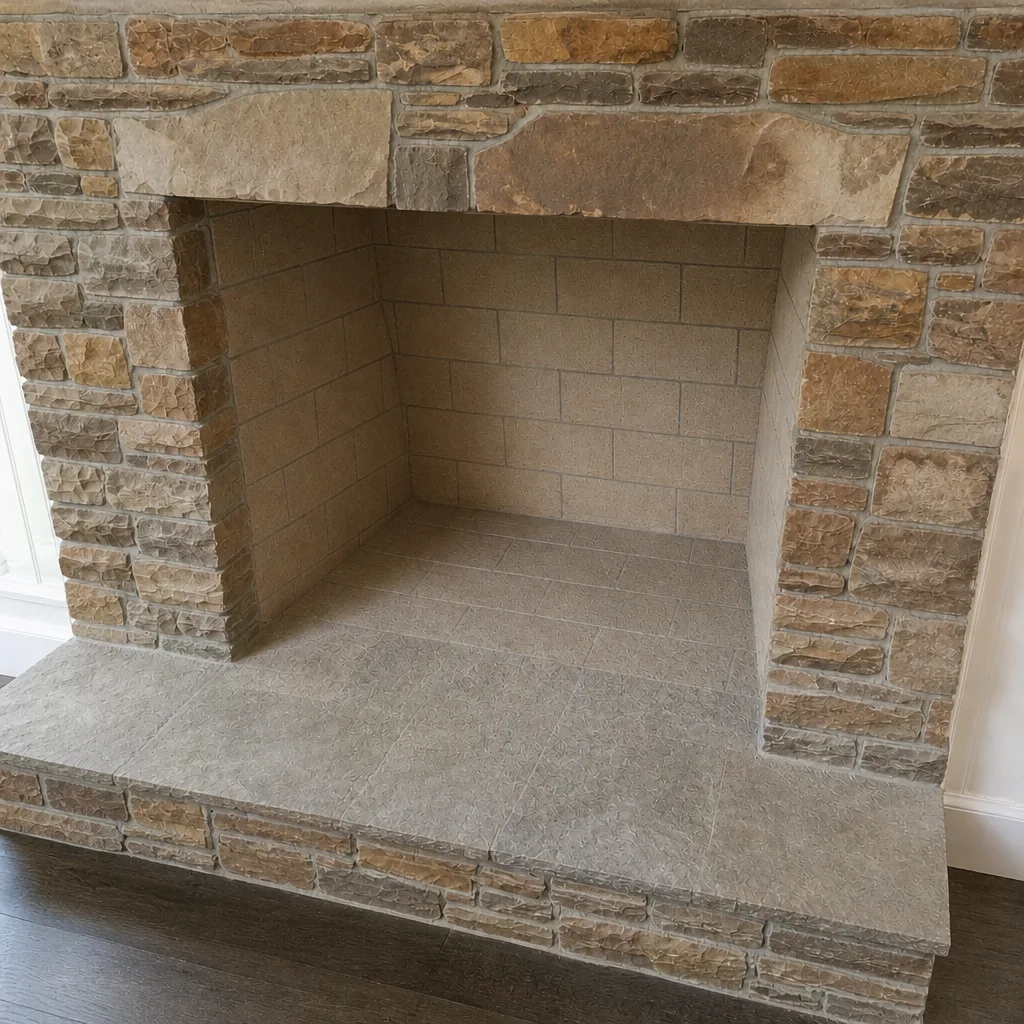
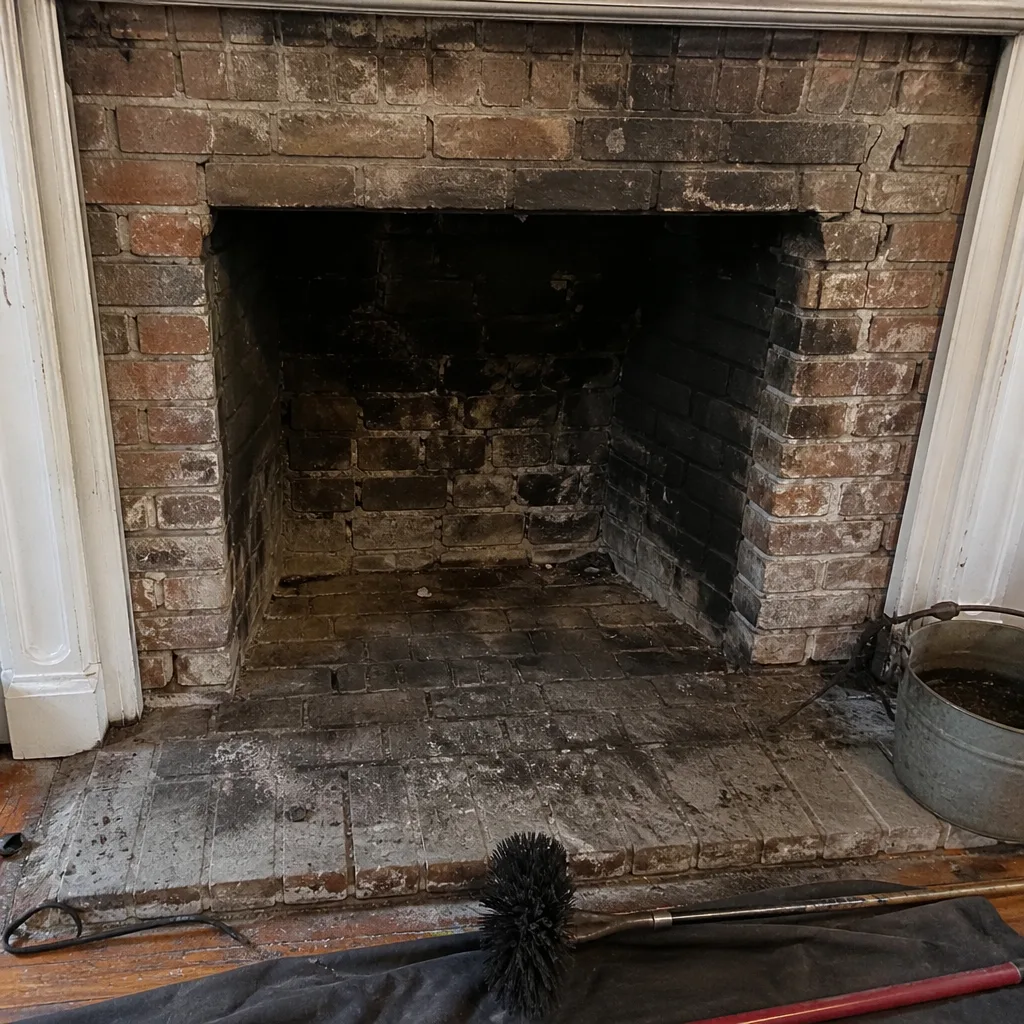
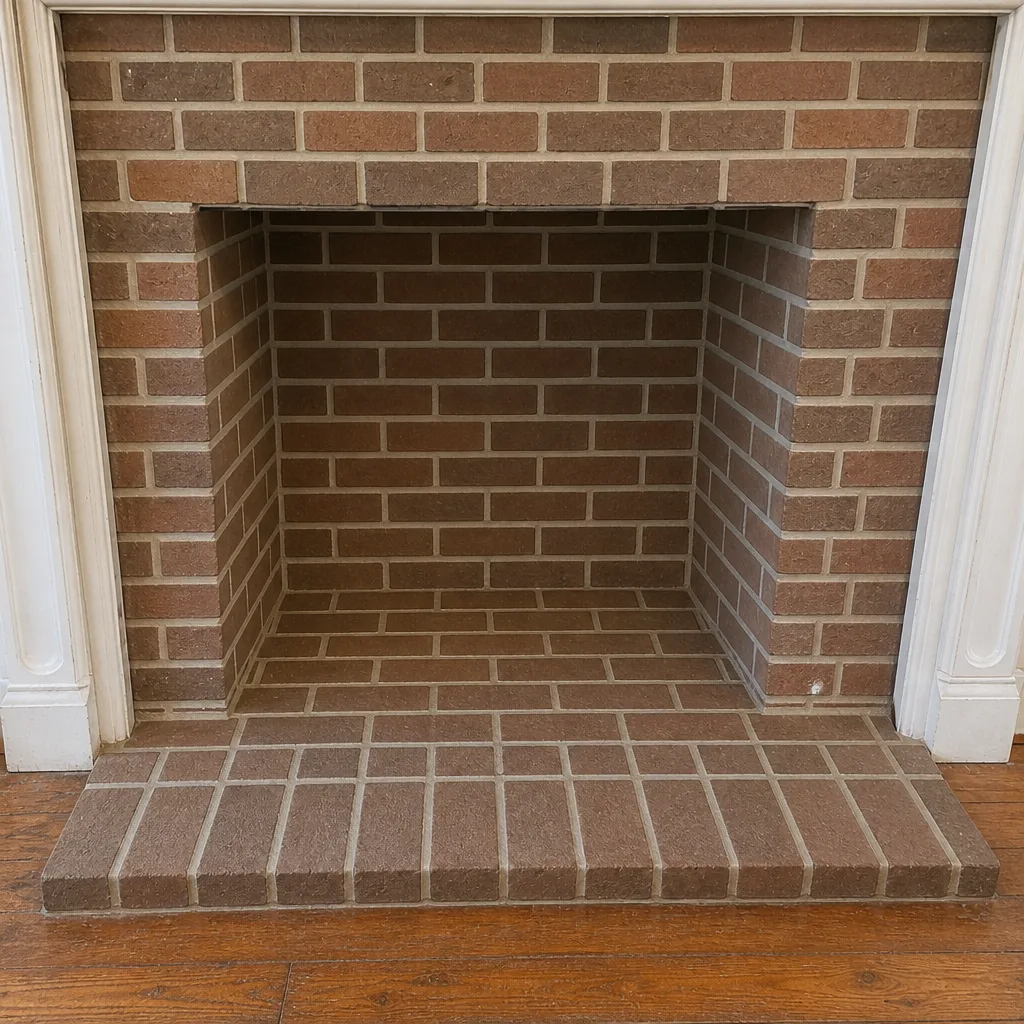
Firebox resurfacing sits in the gray area. HeatShield ceramic resurfacing is a restoration method, not a rebuild, and whether it’s classified as maintenance or permitted work depends on the county’s reading of the scope. In our experience, this is exactly the kind of scope where the county’s answer matters and a contractor’s opinion doesn’t. If a company is proposing HeatShield or any other liner restoration in Dilworth without mentioning permits at all, that’s a fair signal to ask more questions before work begins.
The part to understand is why the permit is worth the friction. A permit means an inspector from Mecklenburg County looks at the completed liner or crown and signs off that it meets NCRC. That inspection report is a document. It goes into the county’s record for your address, and it follows the house. When you sell in Dilworth, a buyer’s inspector will pull that record, and the signed inspection is what makes the repair defensible. Without it, the repair is just something a contractor told you happened.
How to Verify a Contractor Is Pulling Permits
Most homeowners don’t ask whether the contractor is pulling a permit until after the work is done. By then it’s late. The check takes about ten minutes and is worth doing before work starts. Here’s a straightforward verification process:
- Ask who pulls the permit, by name. In Mecklenburg County, the permit record shows the name of the licensed contractor submitting the application. The company that shows up to do the work should be the name on the permit.
- Get the permit number before the job starts. A contractor who’s legitimate can produce it. A contractor who says they’ll “handle the paperwork after” hasn’t pulled one yet.
- Look up the permit through Mecklenburg County’s online permitting portal. Search by address. You should see an open permit with a description that matches the work being quoted.
- Confirm the inspection has been scheduled, then passed. The inspection is the point of the permit. A permit that’s pulled and closed without an inspection is a permit that did nothing for you.
- Keep the inspection report. The signed inspection document is the piece of paper that matters at resale. Save it with your home’s records.
One more check that’s specific to chimney work: ask which liner or cap system the contractor will install. If the answer is a brand name without a product spec, that’s a passive provider rather than a specialist. When we install a DuraFlex liner or a cap sourced from Gelco, the brand and model number go into our documentation, so the county inspection and the insurance file describe the same system. That consistency is what protects you if the system is ever questioned.
For a deeper look at how a professional sweep assesses a system before any repair is recommended, see our chimney sweep page. The inspection-first workflow on that page is the same one that generates the documentation the permitting process depends on.
NFPA 211 Level 1, 2, and 3 Inspections Explained
NFPA 211 defines three levels of inspection, and the level that’s right for your chimney depends on what’s happening. A sweep-visit evaluation is not the same as a pre-sale inspection, and neither one is the full diagnostic used before a liner replacement. Knowing the difference tells you what to expect when a company quotes an inspection.
Level 1 inspection
A Level 1 inspection is the baseline check performed during a routine sweep or service visit. It covers the readily accessible portions of the chimney: the firebox, the damper, the flue as far as it can be seen from the accessible opening, and the chimney cap. It’s the right level for a chimney that’s been used normally and isn’t part of a real estate transaction.
Level 2 inspection
A Level 2 inspection is required when a property changes hands, when an appliance or fuel type changes, or when an event has occurred that could damage the chimney. It includes everything in a Level 1 inspection, plus a video camera scan of the entire flue and closer inspection of accessible portions of the chimney’s exterior. For real estate transactions in Dilworth, a Level 2 is the standard, and it’s what most buyer’s inspectors will reference. If you’re about to sell or buy a home with a fireplace, this is the inspection level to budget for.
Level 3 inspection
A Level 3 inspection is diagnostic and is warranted when a Level 1 or Level 2 inspection turns up a suspected hazard that can’t be assessed with the chimney intact. It may involve opening walls, removing portions of the chimney, or disassembling components. It’s the rarest of the three, and it’s usually performed with the homeowner’s informed consent about the footprint of the investigation.
Quick comparison
- Level 1: Routine. Accessible portions only. For annual service.
- Level 2: Real estate transactions, appliance changes, post-event assessments. Video scan of full flue.
- Level 3: Suspected hidden hazard. May require destructive access.
When a company quotes “an inspection” without naming the level, that’s a question worth asking. The scope difference between a Level 1 and a Level 2 is substantial, and so is the difference in what the report can support if something comes up later.
Inspections in Real Estate and Insurance in NC
In a North Carolina real estate transaction, the chimney inspection does two things: it tells the buyer what shape the chimney is in, and it produces a document that either supports or undermines the value of the property. A Level 2 inspection is the standard here. If the inspection finds a cracked liner or a failed crown, that finding becomes a negotiation point, and the buyer’s agent will often ask for the repair to be completed by a licensed contractor with a permit on record.
The insurance side is where homeowners get surprised. North Carolina homeowner’s policies increasingly ask about the age and condition of the chimney system, and some carriers request documentation of a recent inspection or a recent repair. An unpermitted liner replacement can complicate a claim, because the insurer has no way to verify the work met code. A permitted, inspected repair doesn’t guarantee a claim goes smoothly, but it removes a question that would otherwise be asked. The rule of thumb: if the repair is one an adjuster could question after a chimney fire, it’s a repair worth permitting.
The other consideration is time. Real estate timelines are tight, and if you’re selling a Dilworth home and the inspection turns up a liner problem, the repair needs a permit and an inspection, which takes longer than a week. Getting a Level 2 inspection done proactively, before listing, avoids that crunch entirely. For homeowners whose pre-sale inspection is really about the fireplace itself, our fireplace repair page covers what repair work typically involves and what documentation comes with it.
What to Do About Unpermitted Chimney Work in Dilworth
You find out about unpermitted chimney work in one of two ways: you’re selling and the buyer’s inspector flags a repair that has no permit record, or you’re having the chimney serviced and the technician tells you the liner doesn’t match what’s on file. Either way, the path forward is the same. There’s no need to panic, and there’s usually no need to tear out a system that’s functioning. The remediation process has a defined sequence:
- Get a Level 2 inspection. The inspection tells you what was actually installed and whether it met code. This is the starting point for every remediation.
- Request a permit retroactively where possible. Mecklenburg County can, in some cases, permit existing work if it can be inspected and brought up to standard. The permitting office is the authority on whether retroactive permitting applies to your specific situation.
- Correct any code deficiencies found during inspection. If the unpermitted work doesn’t meet NCRC, it has to be brought up to standard before the county will sign off. That might mean a new crown, a corrected liner, or a clearance adjustment.
- Document the correction. The final inspection report and any contractor documentation should be filed with your home records. This is the paper trail that resolves the issue at future resale.
In our experience, the most common unpermitted work we see in older Dilworth homes is a liner replacement that was done without a permit and without a video record. The liner might be perfectly fine, but without a Level 2 inspection, nobody knows. The inventory of pre-war and mid-century homes in Dilworth, along with the Bungalow-style and Craftsman-era houses common in the neighborhood, means a good number of chimneys were modified over the decades, sometimes more than once. Each modification is a data point. Getting the record straight now is cheaper than discovering a gap during a sale.
Our full range of service covers the diagnosis through the completed repair, which matters for remediation. If a Dilworth home needs a crown rebuild and a liner correction, we handle both under a single permit scope rather than handing you off between trades.
Common Mistakes to Avoid
- Assuming the sweep is the whole job. A clean flue tells you the chimney was dirty, not that it’s safe. The cracks, spalling, and failed joints that matter are the ones a sweep without repair capability won’t find or won’t document.
- Accepting “we’ll pull the permit after.” A permit pulled after the work is completed can’t do what a permit is for: inspect the work while it’s visible. If the liner is already covered, the inspector can’t confirm what’s behind it.
- Hiring a sweep who doesn’t name the inspection level. “Inspection included” without a Level 1, 2, or 3 on the paperwork is a phrase, not a scope. Ask which level is being quoted, and get it on the estimate.
- Skipping the video record. A camera scan is what turns an inspection into documentation. Without it, the report is an opinion. With it, you have footage of the flue at a specific point in time.
- Treating a cap as optional. In a climate with a heavy spring pollen season and humid summers, an uncapped chimney in Dilworth takes on water, and water is the underlying cause of most crown and masonry deterioration. A missing or damaged cap is a slow-motion repair bill. Our chimney cap & crown page covers what that service involves.
- Ignoring the insurance angle until a claim happens. Insurance carriers want a record of the chimney’s condition and repair history. A homeowner who can produce a Level 2 inspection and signed-off permit documents is in a different position than one who can’t.
- Assuming unpermitted work means a full rebuild. Most unpermitted liner and crown work can be corrected and documented without demolishing anything. The panic option is usually the wrong option.
See the difference
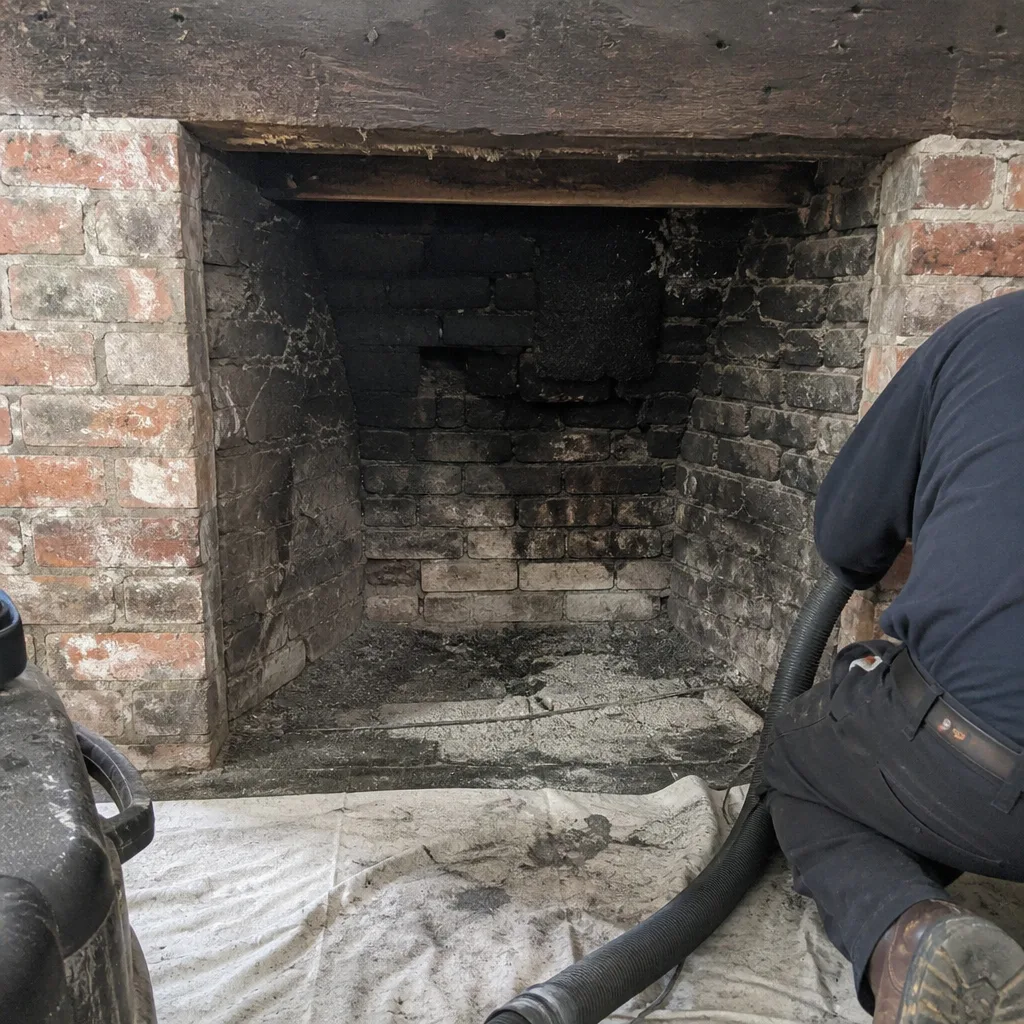 Before
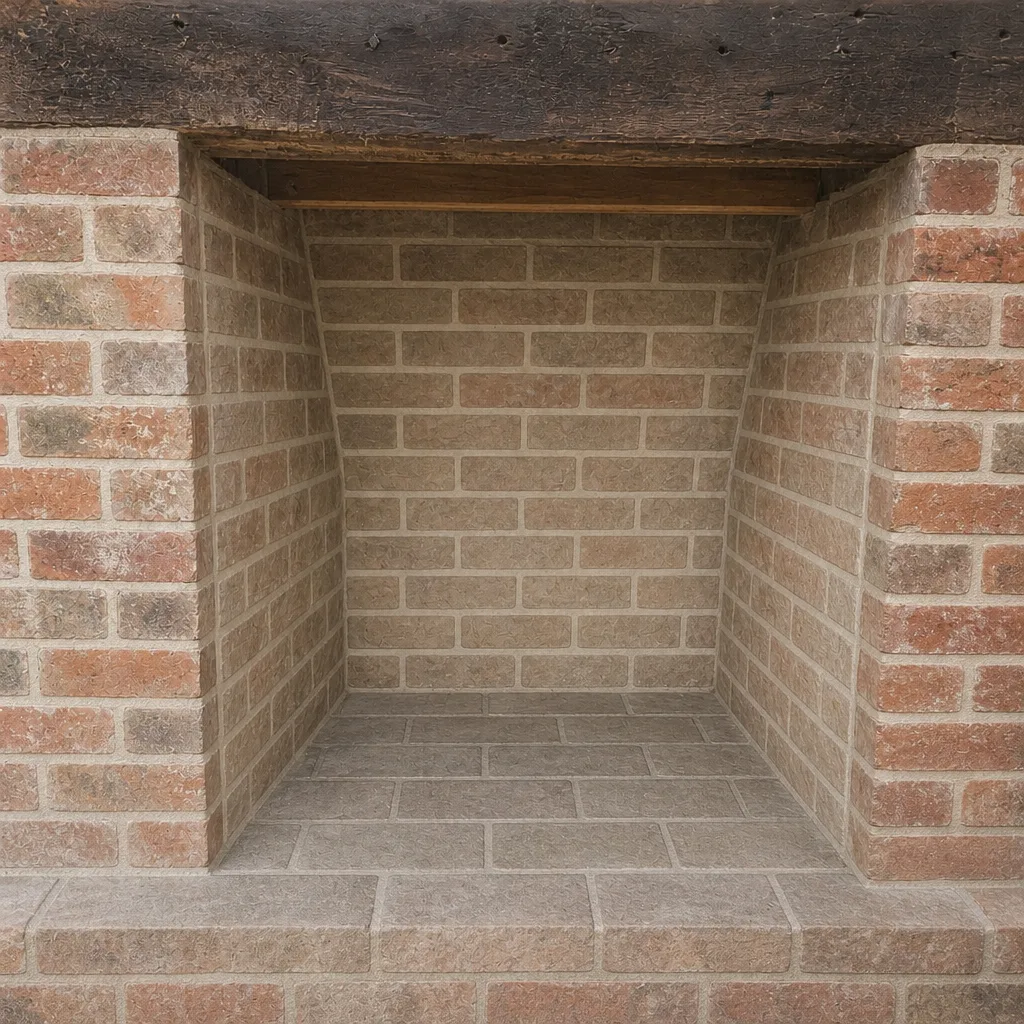 After
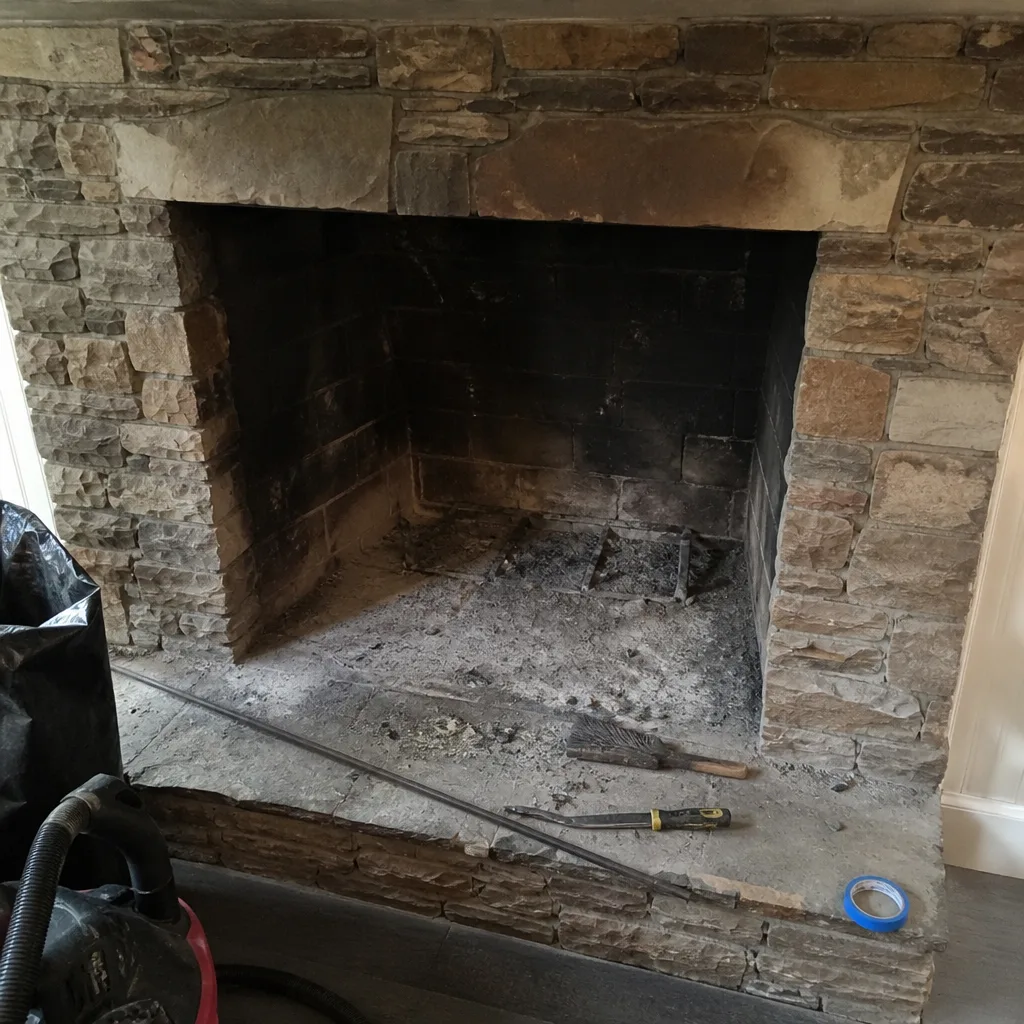 Before
 After
 Before
 After
When to Call a Professional
The decision to call isn’t complicated once you know the signal. Call a professional if you’re buying or selling a Dilworth home with a fireplace, because a Level 2 inspection is a transaction requirement and it needs lead time. Call if a previous sweep or contractor did chimney work you can’t find a permit record for. Call if your chimney is uncapped or the cap is damaged, if you see staining on the exterior chase, or if the firebox shows cracks or crumbling mortar. And call if you’ve never had the chimney inspected and don’t know the condition of the liner. Our technicians have up to 12 years of experience, and Chimney Sweep Dilworth offers free estimates in Dilworth. Call (888) 378-0297. We answer 24/7. Fast dispatch from 7am to 7pm, Sunday through Friday.
For a broader look at the work we perform across the full chimney assembly, our Chimney Sweep Dilworth home page lays out the five core services and how they connect.
Frequently Asked Questions
No. Chimney sweeping is maintenance and does not require a permit in North Carolina. Permits apply to repairs that change the structure of the chimney, such as liner replacement or crown rebuilds. Call (888) 378-0297 for an exact quote, because estimates are free.
Liner replacement, crown rebuilds, structural masonry repair, and chimney height alterations generally require a permit and an inspection. Cosmetic repairs, cap installation, and routine sweeping typically do not. The Mecklenburg County permitting office is the authority on your specific scope, so confirm before work starts. Call (888) 378-0297 for an exact quote, because estimates are free.
A Level 1 inspection covers the readily accessible portions of the chimney during a routine service visit. A Level 2 inspection adds a video scan of the entire flue and closer inspection of the exterior, and it’s the standard for real estate transactions and appliance changes. Call (888) 378-0297 for an exact quote, because estimates are free.
Yes, because the permit produces an inspection report that becomes part of the county’s record for your address. That record is what a buyer’s inspector pulls during a sale and what an insurer can reference after a claim. Work that looks fine but has no documentation is unpermitted improvement on your property. Call (888) 378-0297 for an exact quote, because estimates are free.
Sweep pricing depends on the system and the level of inspection involved, so we set the price per job by written estimate rather than quoting a number over the phone. The estimate is free, and it’s based on the condition we actually find. Call (888) 378-0297 for an exact quote, because estimates are free.
That’s a question our camera finds the answer to, not a salesperson. Nothing is recommended without camera evidence you can see for yourself, and we’ll tell you plainly when work can safely wait. Liner replacement uses DuraFlex flexible systems and is permitted work in Mecklenburg County. Call (888) 378-0297 for an exact quote, because estimates are free.
The general guidance is once a year for a chimney in regular use, or more often if you burn heavily. Dilworth’s mild winters mean many fireplaces get moderate use, which makes an annual evaluation the right rhythm rather than a guess. Call (888) 378-0297 for an exact quote, because estimates are free.
A skipped sweep lets creosote accumulate, which is the fuel for a chimney fire. A skipped permit leaves a repair undocumented, which surfaces as a negotiating issue at resale and a question with insurance. Neither is an emergency on its own, but both compound. Call (888) 378-0297 for an exact quote, because estimates are free.
The Bottom Line
Chimney cleaning doesn’t need a permit. Chimney repair usually does. The permit isn’t the point; the inspection report behind it is. That report is what makes a liner replacement or crown rebuild defensible at resale and referenceable with an insurer, and it’s the difference between a documented improvement and unpermitted work on your property. Get a Level 2 inspection if you’re buying or selling in Dilworth. Ask the inspection level by name. Ask for the permit number before work starts, not after. And if you discover an earlier owner left the chimney work unpermitted, the path forward is a Level 2 inspection and a permitted correction, not a full rebuild.
Chimney Sweep Dilworth offers chimney sweeping, chimney inspection, fireplace repair, chimney repair, and chimney cap and crown installation, using professional-grade materials like HeatShield ceramic resurfacing, DuraFlex liners, and Gelco and Olympia Chimney venting components. We document what we find before we recommend anything, and every estimate is free. Call (888) 378-0297. We answer 24/7. Fast dispatch from 7am to 7pm, Sunday through Friday.
Written by the team at Chimney Sweep Dilworth.