
Last updated November 22, 2026
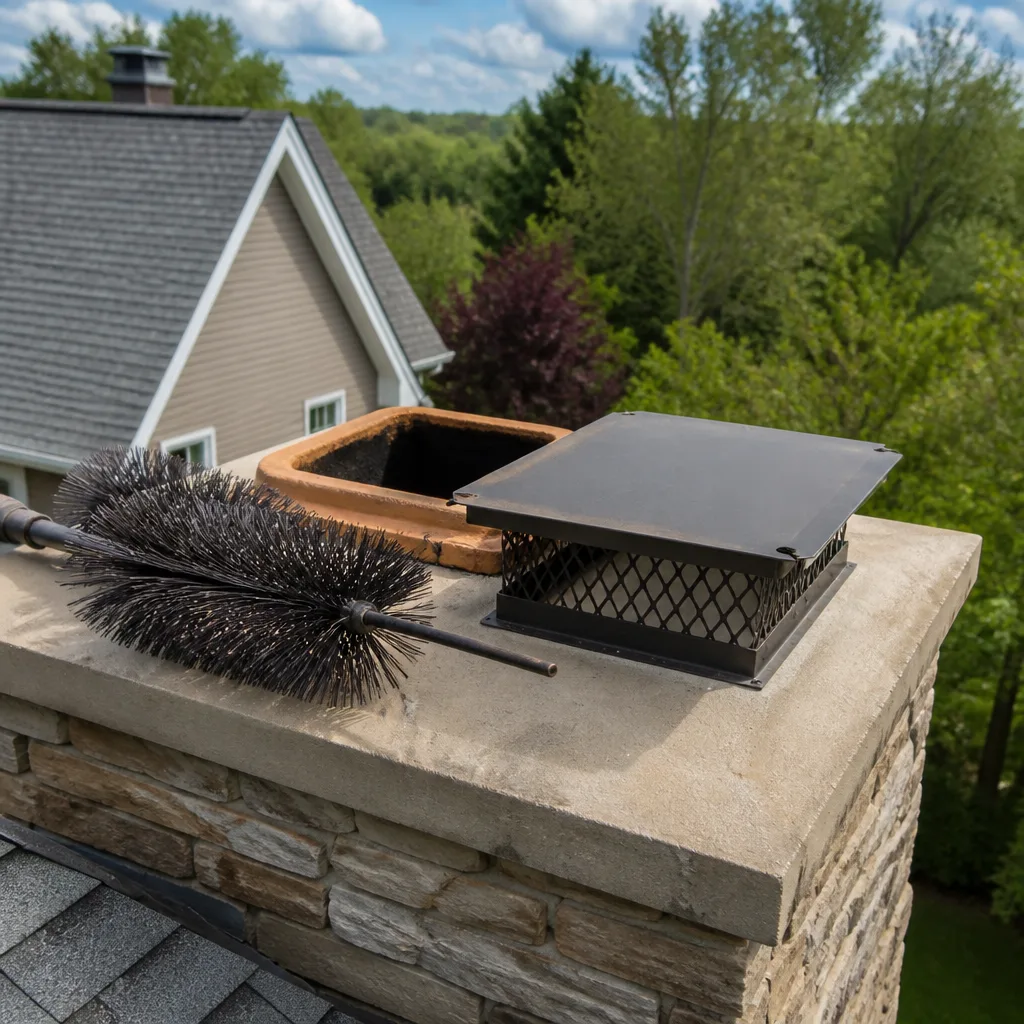 Sweep & inspection
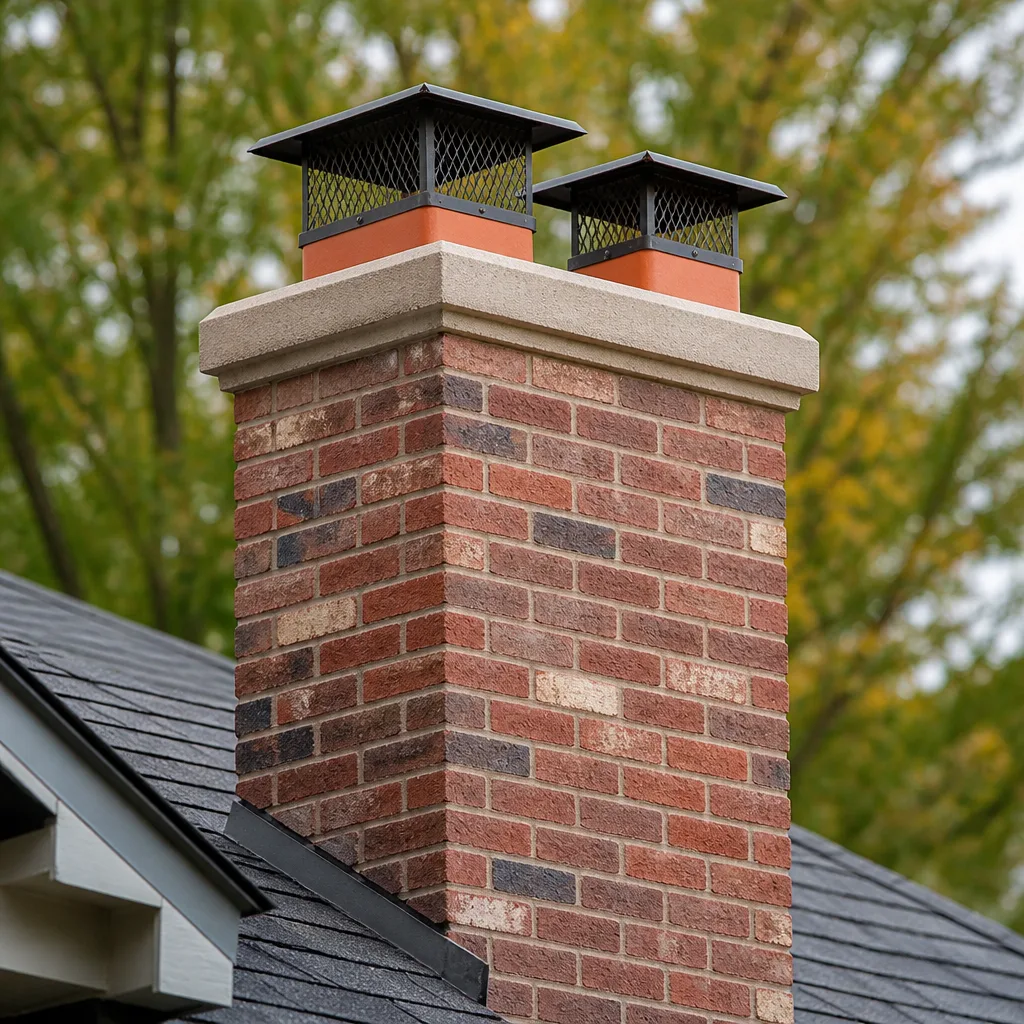 Caps & crowns
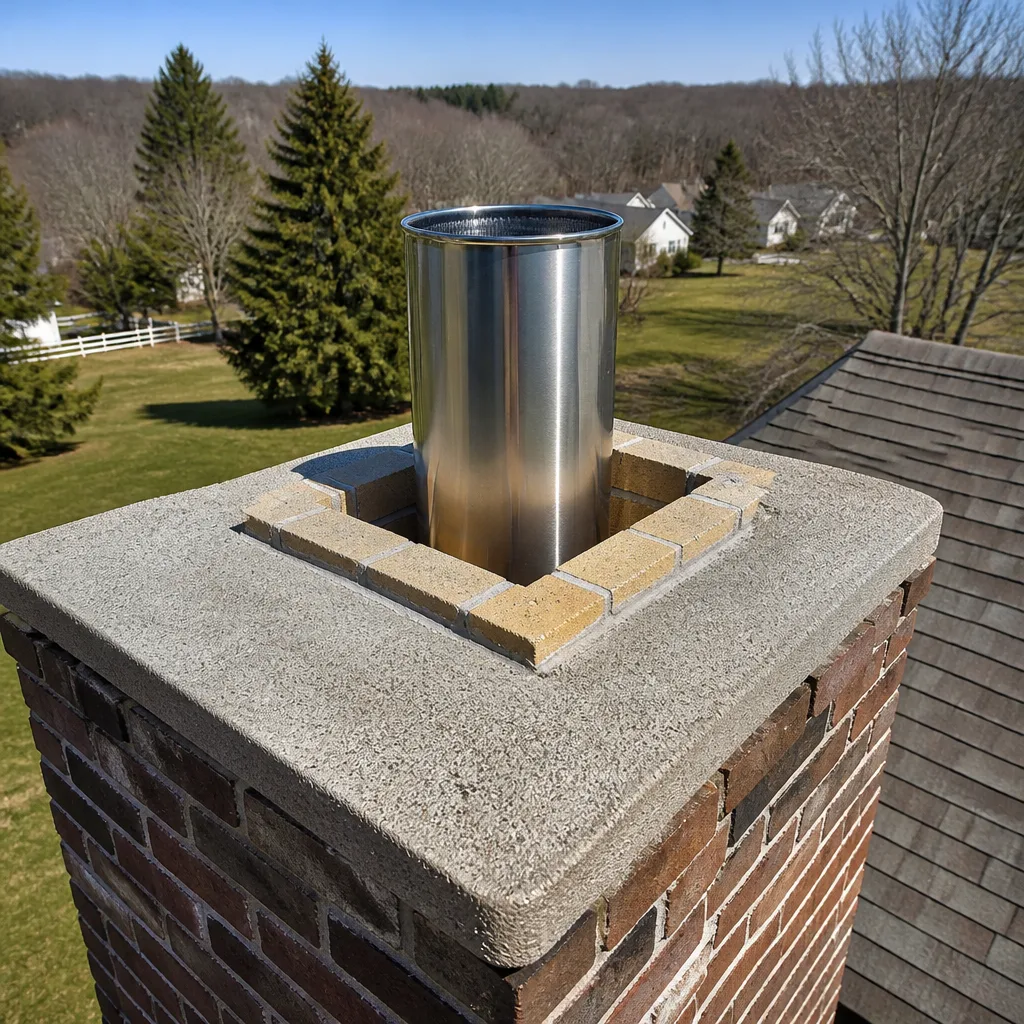 Flue relining
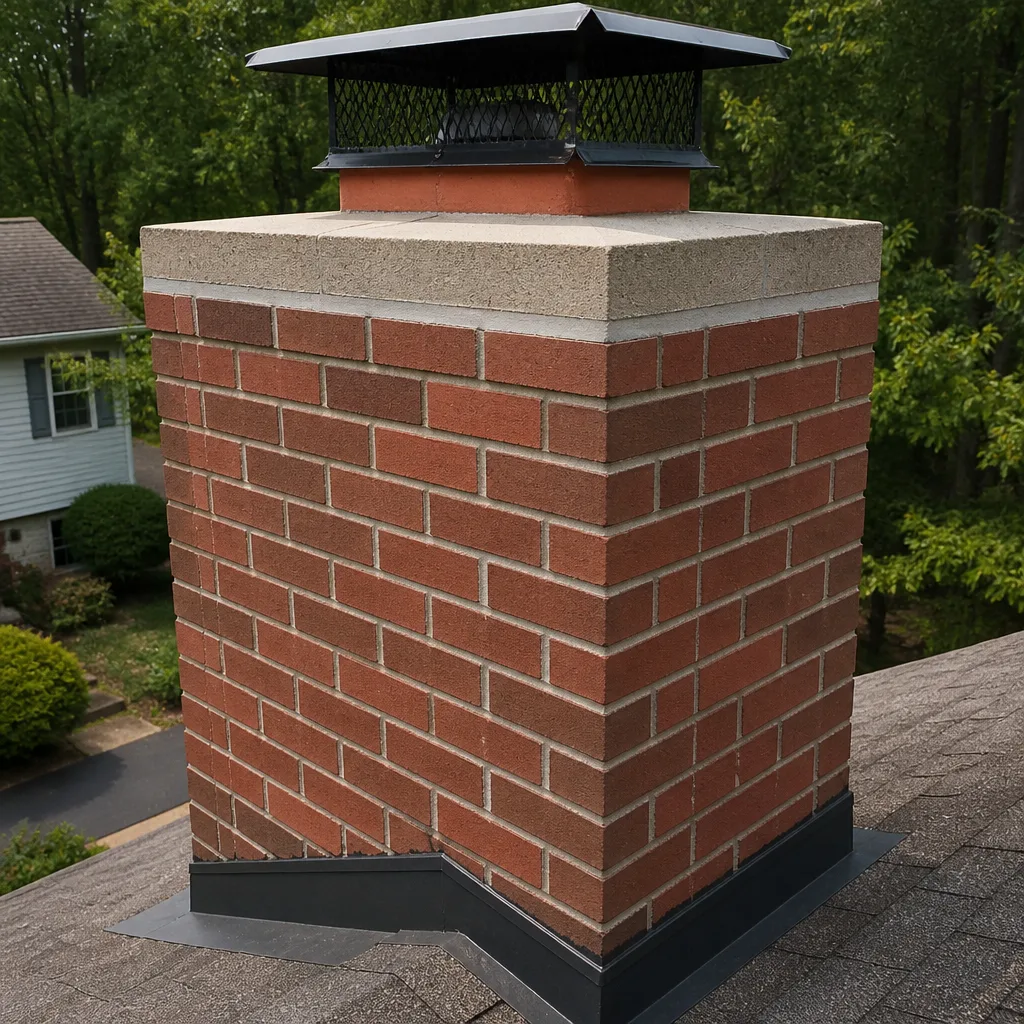 Masonry repair
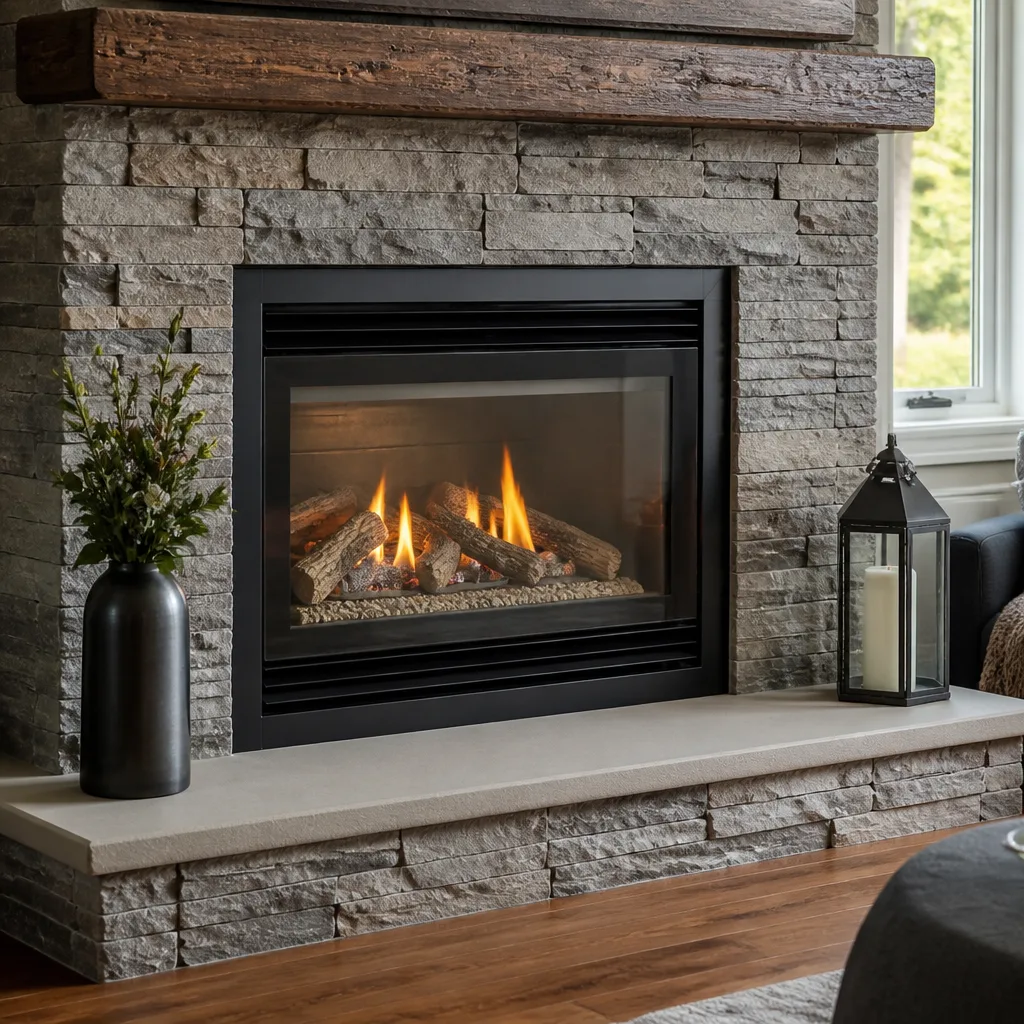 Gas fireplace service
Level 1 sweep and inspection to the NFPA 211 annual standard - flue, crown, cap, and flashing checked and photographed
Chimney sweep logs do not sweep chimneys. They loosen some creosote - which then falls where a brush and vacuum still have to collect it.
The Complete Guide to Chimney Cleaning in Dilworth
A swept flue is not a safe flue. That’s the part most homeowners never hear. You can hire someone to run a brush up the chimney, hand you a receipt, and still be living with a cracked liner, a Stage 3 creosote glaze, or a crown that’s been letting water into the masonry for years. Cleaning the flue is the visible task. Everything around it is what actually keeps the system from failing. In this guide, we’ll walk through the five distinct components of a chimney, the three stages of creosote, what a real cleaning report looks like versus a receipt, and how Dilworth’s older housing stock shapes what we find in flues here.
Quick Answer
Chimney cleaning in Dilworth means more than sweeping the flue. It means inspecting all five parts of the system – flue, firebox, liner, cap, and crown – and documenting what’s found before recommending any repair. A proper cleaning uses rotary tools and camera inspection, produces a written report with photos, and separates actual problems from upselling.
Styles & brands we work with
- Sweep & inspection
- Caps & crowns
- Flue relining
- Masonry repair
- Gas fireplace service
Table of Contents
- The Five-Component Chimney System
- Creosote: The Three Stages That Change Everything
- Dilworth’s Housing Stock and Liner Degradation
- What Professional Tools Reveal That a Visual Sweep Cannot
- Cleaning Report vs. Cleaning Receipt
- What Happens During a Formal Chimney Inspection
- How to Choose a Chimney Cleaning Service
- When to Schedule Cleaning and Repair
The Five-Component Chimney System
Most homeowners think of their chimney as a single object: the thing smoke goes up. In reality it’s five distinct systems, each with its own failure modes, its own inspection protocol, and its own consequences when it’s neglected. Treating them as one is why so many chimneys get “cleaned” and still fail.
Here’s what each component does and what a professional checks:
- The flue – the vertical passage smoke travels through. Inspectors check for blockages, soot buildup, and creosote glaze. This is what gets brushed, but the brush only reaches what’s reachable.
- The firebox – the fire chamber itself. Masonry fireboxes develop cracks in the mortar joints over time, especially after years of heating and cooling cycles. A crack here can let heat reach framing behind the brick.
- The liner – the barrier between flue gases and the structure of the house. Clay tile liners crack; metal liners can corrode or separate at the seams. A failed liner turns the flue into a vent for carbon monoxide and heat right into the walls.
- The cap – the cover at the top. It keeps rain, snow, birds, squirrels, and debris out of the flue. A missing or damaged cap is the single most common cause of water getting into a chimney, and water is what destroys masonry.
- The crown – the sloped concrete top of the chimney itself. Crowns crack from freeze-thaw cycles. A cracked crown lets water run down the sides of the chimney and into the masonry, and once the brick is saturated through repeated cycles, the damage compounds every winter.
Each of these gets its own check. A flue that passes inspection tells you nothing about the crown. A brand-new cap does nothing for a cracked liner. That’s why we structure every Dilworth chimney cleaning around all five components, not just the one the homeowner called about. A clean chimney is the starting point, not the finish line.
Creosote: The Three Stages That Change Everything
Creosote is the residue left behind by wood smoke as it cools on its way up the flue. It’s not a single substance – it forms in three distinct stages, and only one of them comes off with a brush.
- Stage 1: Soot and flaky creosote. This is the loose, black, powdery stuff. It brushes off easily. Yearly sweeping keeps it in check, and it’s the least dangerous stage. It’s also the stage most homeowners assume they have.
- Stage 2: Hard, crusty creosote. This forms when the flue runs cool – either from burning unseasoned wood, from a fireplace that never gets hot enough, or from a flue that’s oversized for the firebox. Stage 2 creosote clings to the liner and resists standard brushes. Getting it off requires rotary cleaning tools that spin against the liner wall with controlled pressure.
- Stage 3: Glazed creosote. This is the hard, shiny, tar-like layer that indicates the flue has repeatedly run too cool. Stage 3 creosote is the highest fire hazard in the system. It ignites at a relatively low temperature, and once it lights, it burns intensely. It cannot be brushed off. It often requires chemical treatment followed by rotary cleaning, and in severe cases the liner itself has to be replaced.
Here’s the part that matters most: a brush sweep will remove Stage 1 and much of Stage 2, but it will make Stage 3 look cleaner than it was without actually removing the glaze. The homeowner gets a “clean chimney” receipt. The fire hazard is still there.
That’s why we run a camera through the flue before and after cleaning, so we can see what stage the creosote is actually in and whether the tools we used actually addressed it. We document what we find before we recommend anything.
If you’ve been burning wood in a Dilworth home that’s older than the mid-1980s, there’s a reasonable chance you’re dealing with Stage 2 or Stage 3 in at least part of the flue. Older fireboxes tend to be sized for older burning habits, and a firebox that’s too large for its flue will always run cool and build creosote faster than a properly matched system.
Dilworth’s Housing Stock and Liner Degradation
Dilworth is one of the older established neighborhoods in the area, and much of its housing stock predates 1980. That matters for chimneys in ways a standard sweep crew may not account for.
Pre-1980 homes commonly have clay tile liners – sections of fired clay stacked and mortared in place inside the chimney. These liners were built to last decades, but they weren’t built to last forever, and in this climate they take a specific kind of beating. The area sees regular freeze-thaw cycles through the winter, and shallow night-time temperatures combined with daytime warming put repeated stress on the mortar joints that hold the tiles together. Over years, hairline cracks open. Once a tile cracks, the one next to it usually follows.
What makes this specifically relevant in Dilworth is the housing type. Homes near the light rail corridor tend to be denser, older brick construction, often with fireplaces that were used heavily for decades and then sat unused for stretches as heating systems changed. A chimney that sat unused for a few seasons is often the one with the most water damage to the crown and the most liner fatigue, because nobody was up there looking at it.
There are two additional patterns we see in this housing stock:
- Off-set flues. Many older Dilworth chimneys have an off-set – a jog in the flue where it shifts to avoid framing. Off-sets are creosote traps. A visual sweep from the roofline can’t see past the jog, so debris and glaze accumulate in the pocket below it.
- Original clay liner without a metal insert. Clay is fine as long as it’s intact. Once it cracks, though, there’s no barrier between flue gases and the brick or framing. A metal liner insert – like a DuraFlex flexible system – restores that barrier without tearing the chimney apart.
If your home is in that pre-1980s bracket and you’ve never had the liner inspected with a camera, that’s the piece of information you’re missing. Cameras see the cracks; a flash light from the top doesn’t.
What Professional Tools Reveal That a Visual Sweep Cannot
A visual sweep from the roof tells you what’s visible from the top down. That’s a starting point, not a diagnostic. Professional-grade cleaning tools reveal what’s actually happening inside the flue:
- Rotary cleaning systems. Whip-chain and rotary heads spin against the liner wall and pull away Stage 2 creosote that hand-brushing leaves behind. They’re run at controlled speed to strip the glaze without damaging clay tile or metal.
- Closed-circuit cameras. A camera on a flexible rod goes up the flue and shows every joint, every crack, every off-set, and every glazed section. Photos get saved. That’s the difference between “the chimney looked clean” and “here’s the flue at joint 4, here’s the crack at the off-set.”
- Pre- and post-cleaning imaging. Seeing the same section before and after cleaning tells you whether the tools worked. It also gives you a baseline for next year’s inspection.
- Moisture readings on the crown and masonry. Water intrusion isn’t always visible at surface level. Probing the crown and the chimney top reveals trapped moisture that will cause freeze-thaw damage.
Camera inspection is what separates a cleaning from a diagnostic. If a company shows up with a brush and a flashlight and leaves without either a camera run or a written report, you’ve paid for a flue brush, not a chimney service.
The full-system picture matters here too. Once a camera reveals what’s inside, the question shifts from “was the flue brushed” to “does the system need repair.” That’s where professional-grade materials come in – the same brands certified chimney specialists specify. A deteriorated flue liner often gets restored with HeatShield ceramic resurfacing, which rebuilds the liner’s integrity without a full liner replacement. A failing crown or missing cap gets addressed with components from Gelco or Famco. Those materials are specified for real structural repair, not sold off a shelf at a hardware store.
If you want the full scope of what that inspection covers, our chimney sweep service is built around the inspection-first workflow: sweep, camera inspection, written report, then repair recommendations. You’ll see the evidence before anything gets booked.
Cleaning Report vs. Cleaning Receipt
This is the single most important distinction in this guide. A cleaning receipt says “swept on [date].” A cleaning report says: here’s the flue before, here’s the flue after, here’s the liner condition at each joint, here’s the crown condition, here’s the cap condition, here’s what needs attention now, and here’s what can safely wait.
Only one of those protects you. If a chimney fire ever happens, the insurance question is: was the chimney maintained, and can you document it? A receipt with a date doesn’t answer that. A report with photos of the flue’s condition and a record of what was cleaned and what wasn’t does. So does a documented recommendation that you chose to defer.
Here’s what a real cleaning report contains:
- Pre-cleaning photos of the flue, firebox, and crown
- Post-cleaning photos of the same sections, so you can see the difference
- Liner condition notes by section – intact, cracked, glazed, or separated
- Crown and cap condition with photos
- Creosote rating (Stage 1, 2, or 3) for the sections cleaned
- Explicit recommendations broken into “needs attention now” and “monitor, no action required”
That last bullet matters more than people give it credit for. A good chimney company will tell you when work can wait. Not every crack needs attention this year. Not every bit of Stage 2 creosote requires a liner replacement. The point of the report is to give you the truth about what your chimney actually needs, not to move the most repair work possible.
That’s also why financing pressure tactics and immediate-repair-only recommendations are a red flag. If a company won’t put the findings in writing for you to review and think about, they’re not giving you a report. They’re giving you a receipt with a sales pitch attached.
What Happens During a Formal Chimney Inspection
A formal chimney inspection is a structured assessment of the full system. It’s not the same thing as a cleaning, although they’re frequently done together. Here’s the sequence:
- Exterior assessment. From the roofline, we check the crown for cracks, the cap for damage or missing sections, the flashing where the chimney meets the roof, and the brick or siding for signs of water damage.
- Firebox and smoke chamber check. Mortar joints in the firebox, the damper operation, and the smoke chamber above the damper are all inspected. Cracks in the firebox brick or the mortar between them are documented.
- Flue camera run. A closed-circuit camera goes the full length of the flue. Every joint, off-set, and liner section is photographed. This is where the real diagnosis happens.
- Creosote rating. Each section of the flue gets a creosote stage rating. That rating drives the cleaning method and any follow-up treatment.
- Written report. Findings are compiled into a written report with photos. Repair recommendations are separated into urgent and non-urgent categories.
In Dilworth, that inspection often surfaces one of three things: a crown that’s reached the end of its service life and needs replacement, a cap that’s missing or damaged and needs to go back on, or a liner section that’s cracked. Any of those three left unaddressed will make the next problem worse. The crown and cap especially – those are the two entry points water uses to destroy masonry, and sweep-only companies routinely leave them unresolved because crown and cap work isn’t brushing.
We handle chimney cap & crown as its own dedicated service for exactly this reason. If the inspection finds a cracked crown, that’s not a “we’ll get to it next year” note. It’s a specific repair with specific materials.
Firebox damage has its own track. If the firebox masonry is cracked or the mortar joints have failed, fireplace repair addresses the fire chamber itself before a fire gets lit again.
How to Choose a Chimney Cleaning Service in Dilworth
Here’s the practical decision guide. In this trade, the companies that do a complete job are distinguishable from the ones that sweep and leave by a small number of signals.
- They run a camera. Not a flashlight. A camera. If the company can’t show you a photo of your own flue, they can’t tell you anything reliable about your liner.
- They put the findings in writing before recommending repair. A verbal “your crown is shot, you need a new one” with no photos and no report is a sales pitch, not an inspection.
- They use professional-grade materials. Liner systems and crown materials specified by certified chimney professionals are not the same as what’s available off a hardware store shelf. The brands matter because they’re rated for the job.
- They cover the full system. A company that only sweeps won’t fix a crown. A company that only installs caps won’t evaluate a liner. You want a single point of accountability for sweep, inspect, repair, and protect, so nothing falls between trades.
- They tell you what can wait. A company that finds a problem and says “this can safely wait a year, here’s what to watch for” is a company you can trust with the things that can’t wait.
One practical note on pricing and scheduling: find out what’s included in the cleaning before it’s booked. Is the camera inspection included, or is it an add-on? Is the written report standard, or available on request? A quote that says “sweep” and nothing else usually means exactly that. The estimate is free, the price is set per job by the written estimate, and the scope should be clear before anyone arrives.
When to Schedule Cleaning and Repair
The best time to schedule chimney cleaning in Dilworth is before the burning season starts, and the best time to schedule repair is before the cleaning reveals something worse than expected.
The logic: cleaning a chimney mid-season means you’re clearing creosote and then immediately building more. Cleaning before the season starts gives you a clean flue for the full season, and an inspection report that tells you what the system’s condition is heading into it. If repair is needed, it happens before you’re sitting in a cold house wondering why the fireplace smokes.
Repair scheduling follows a different logic. Crown replacement, cap installation, and liner work don’t need the fireplace in active use, but they do need mild weather for the masonry and sealant to cure properly. That points to the shoulder seasons – before the first hard freeze and after the last. Cracks in the crown that form from freeze-thaw cycles compound with every winter, so a crown repair done in the fall prevents a masonry repair in the spring.
There are also urgent timing signals. If you notice:
- A strong, sharp, tar-like smell in the house when the fireplace isn’t burning
- Smoke backing into the room when the fire is lit
- Visible cracks in the firebox brick or the mortar joints
- Chunks of material dropping into the firebox or landing on the roof
- Water stains on the chimney or ceiling near the flue
- A missing or badly damaged chimney cap
…those aren’t “wait until next year” items. Those warrant an inspection now. The smell in particular – creosote off-gassing when the chimney is cold – can indicate Stage 3 buildup that a cleaning needs to address before the next fire.
As for how often to clean: most wood-burning homeowners should get a sweep and inspection annually. Homes burning more frequently, or burning wood that hasn’t been properly seasoned, may need more. Gas fireplace chimneys need less frequent cleaning but still need the cap and crown inspected, since those are the same regardless of what fuel is burning.
Common Mistakes to Avoid
- Treating the cleaning as the whole job. A swept flue tells you nothing about the crown or the cap. If those aren’t checked, you’re leaving the two most common water intrusion points unexamined, and water is what destroys chimneys over time.
- Accepting a receipt instead of a report. A receipt with a date on it doesn’t tell you what was found or what was repaired. Without photos and written findings, you have no record of your chimney’s condition for your own records or for insurance purposes.
- Assuming Stage 1 creosote is the whole story. In older Dilworth homes with off-set flues, Stage 2 and Stage 3 creosote can hide in the pocket below the jog. A visual sweep from the roof can’t see it, and a brush won’t reach it. The camera does.
- Waiting on a cracked crown. A cracked crown looks cosmetic. It isn’t. Every freeze-thaw cycle opens it further and pushes water deeper into the masonry. What starts as a crown repair can become a rebuild if it’s left through a few winters.
- Hiring a sweep-only company for a cap or crown problem. A cap and crown need professional installation with the right materials. A missing cap left unfixed because the sweep crew “doesn’t do that” is the start of the next problem.
- Burning unseasoned wood to save on fuel costs. Green wood burns cool and builds Stage 2 and Stage 3 creosote faster than seasoned wood. What you save on fuel, you’ll spend on more frequent cleaning and potentially liner work.
- Ignoring the smell after the fire goes out. A cold chimney that smells strongly of creosote is telling you something. That smell usually means the buildup hasn’t been fully removed, and the next fire will compound it.
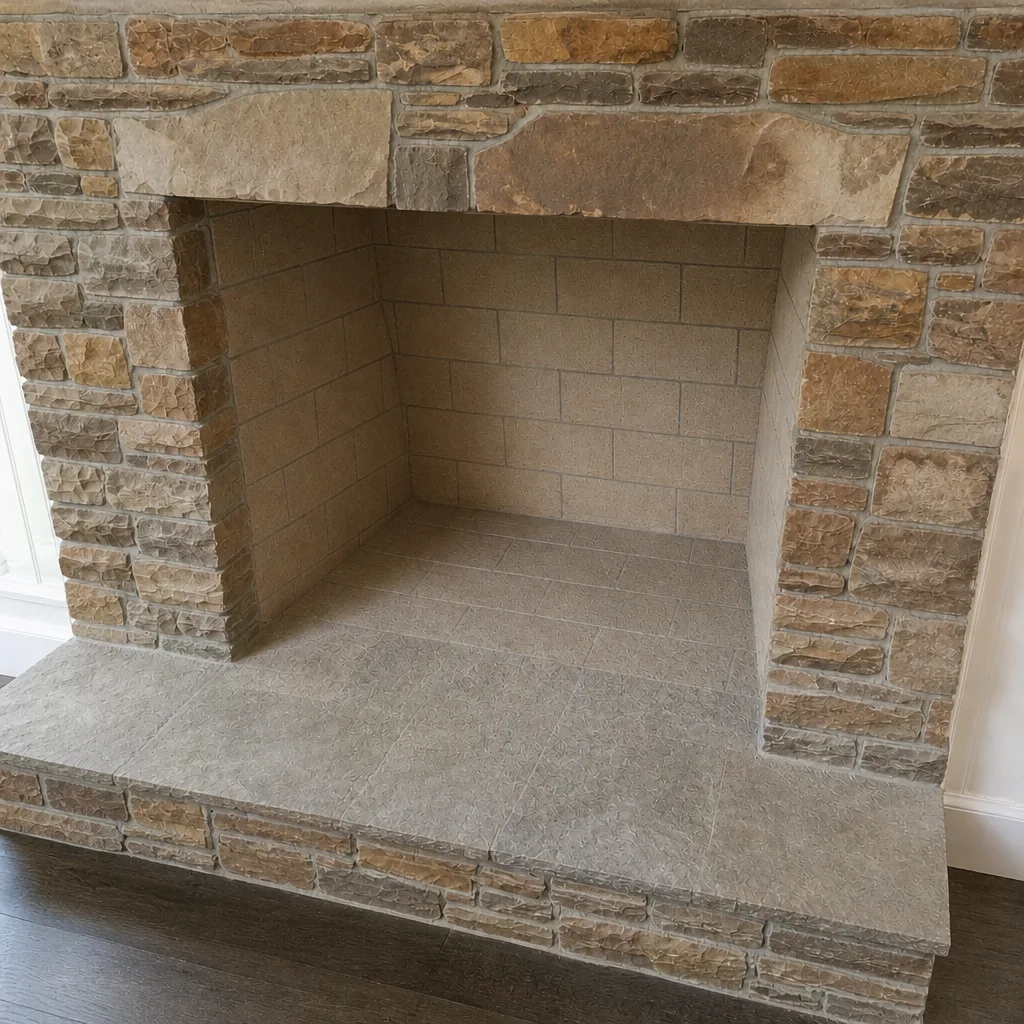
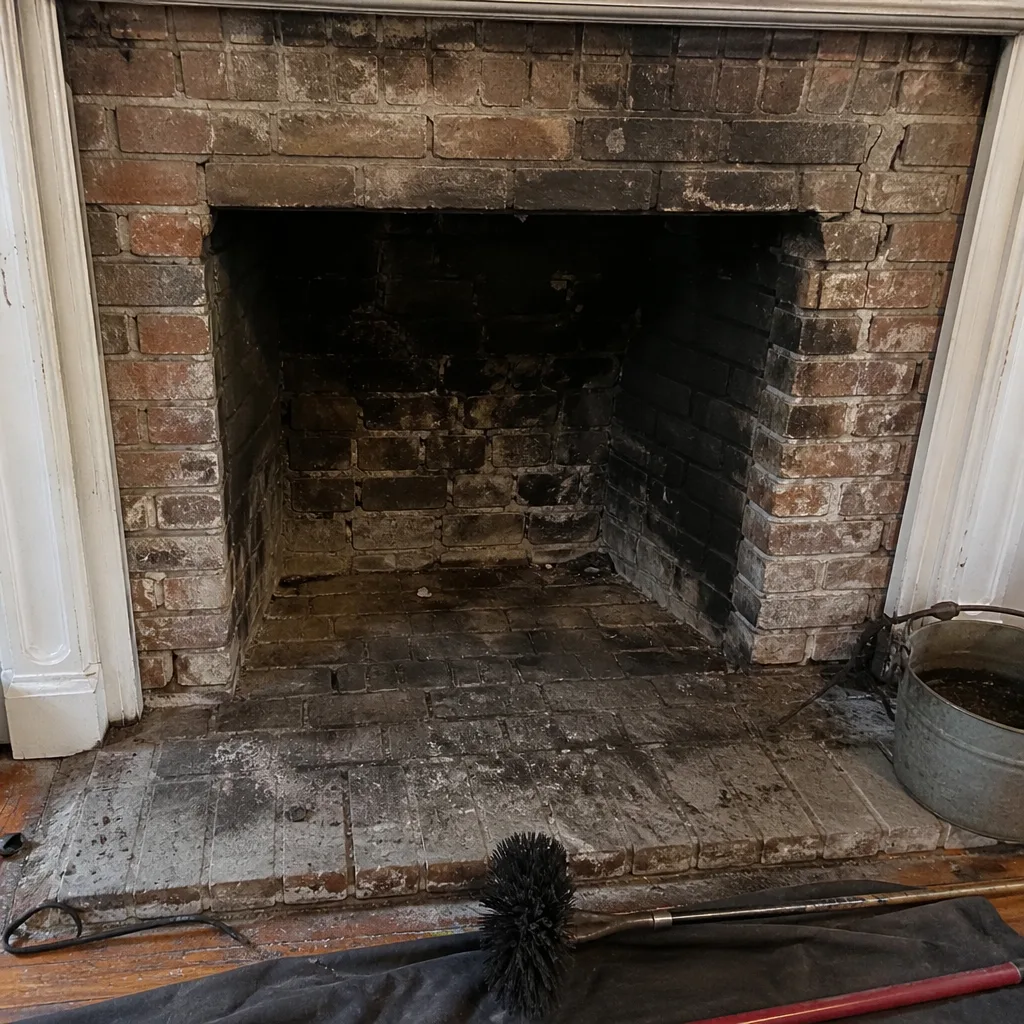
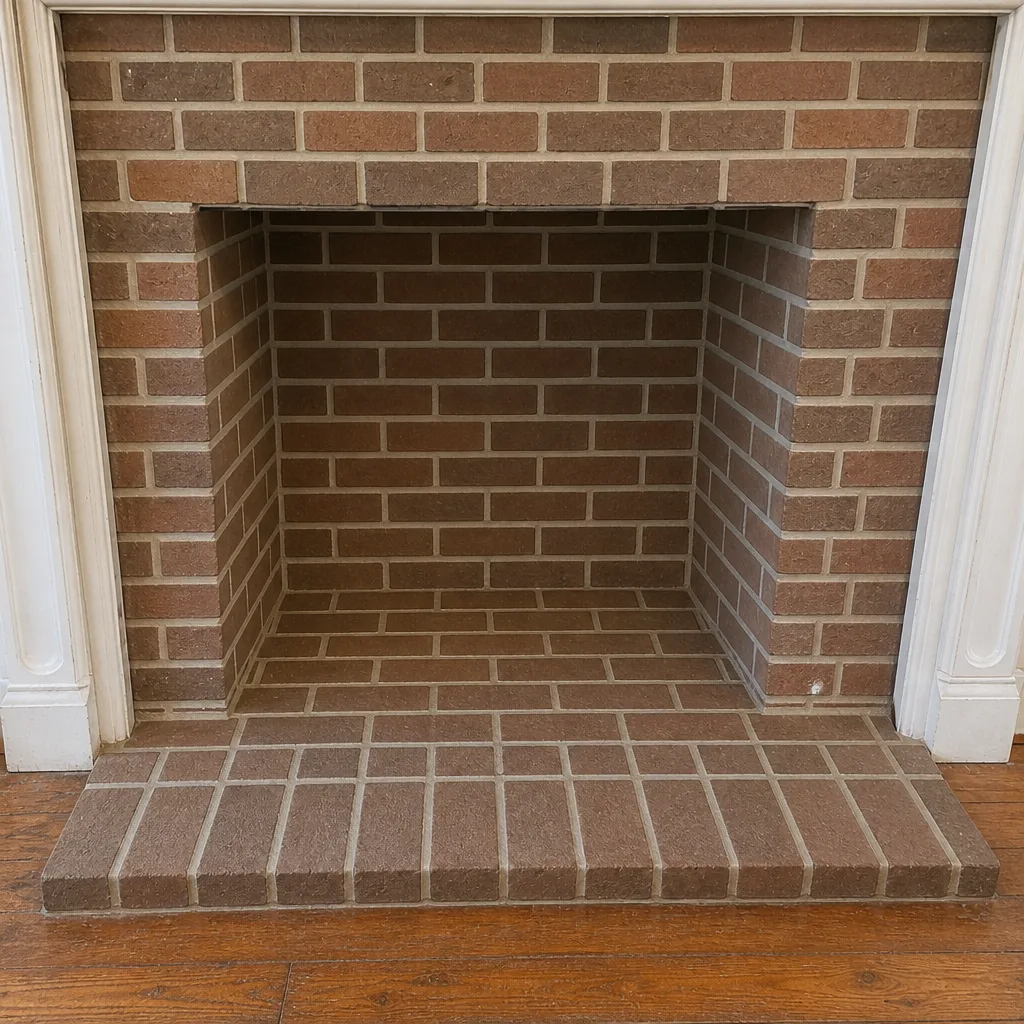
See the difference
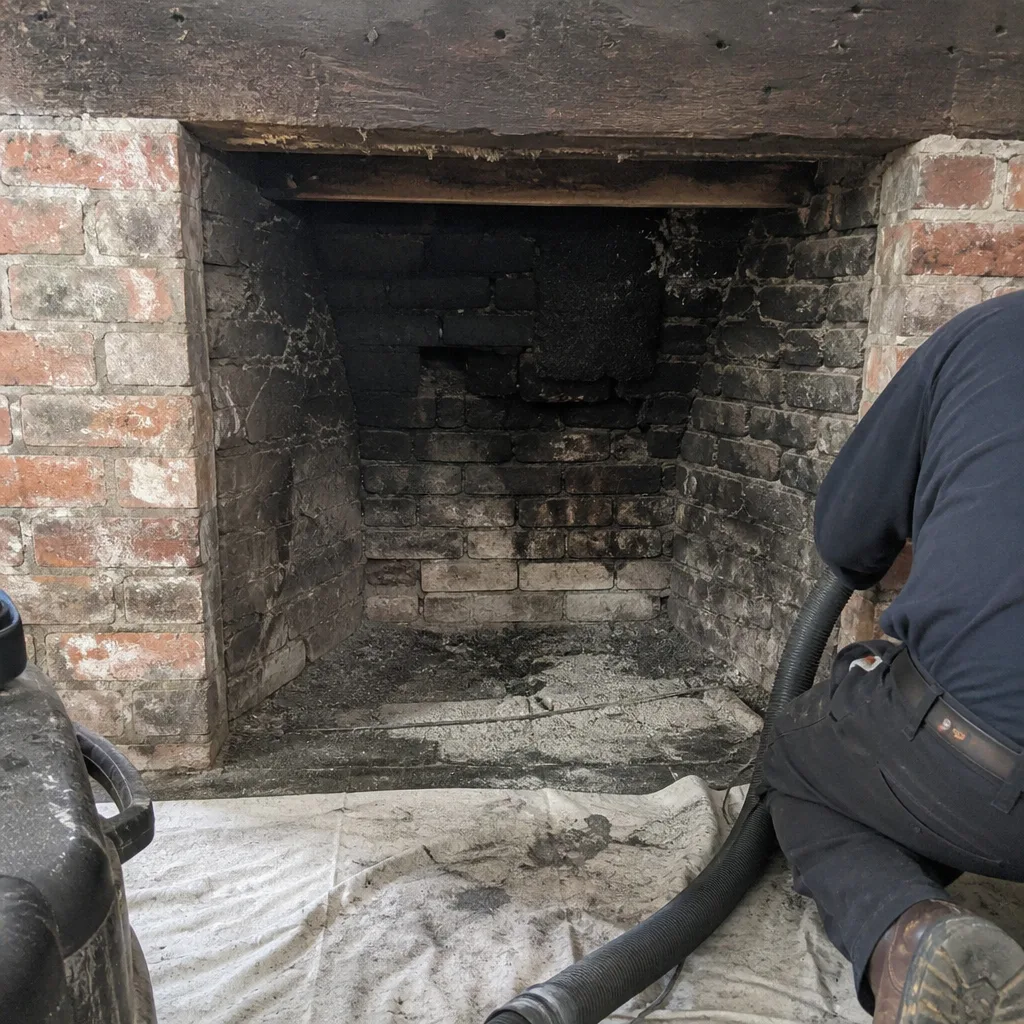 Before
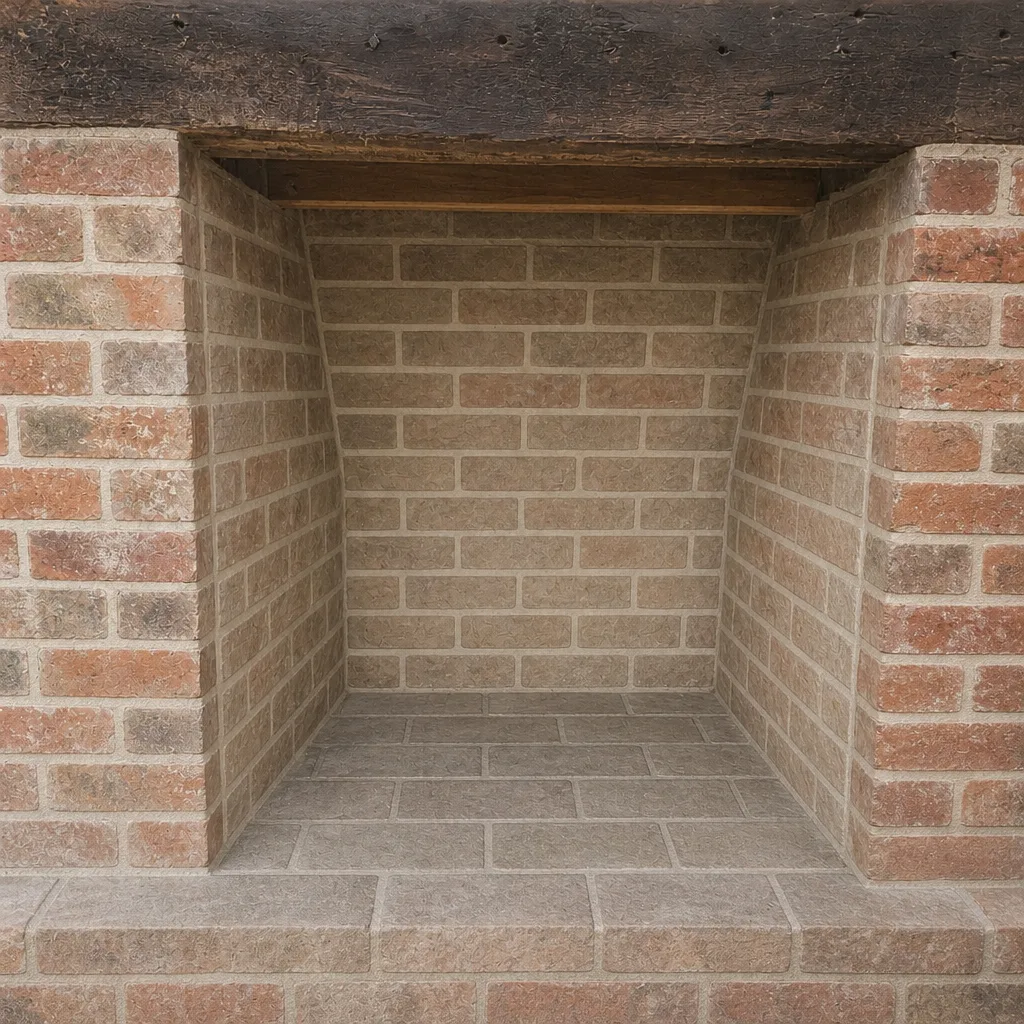 After
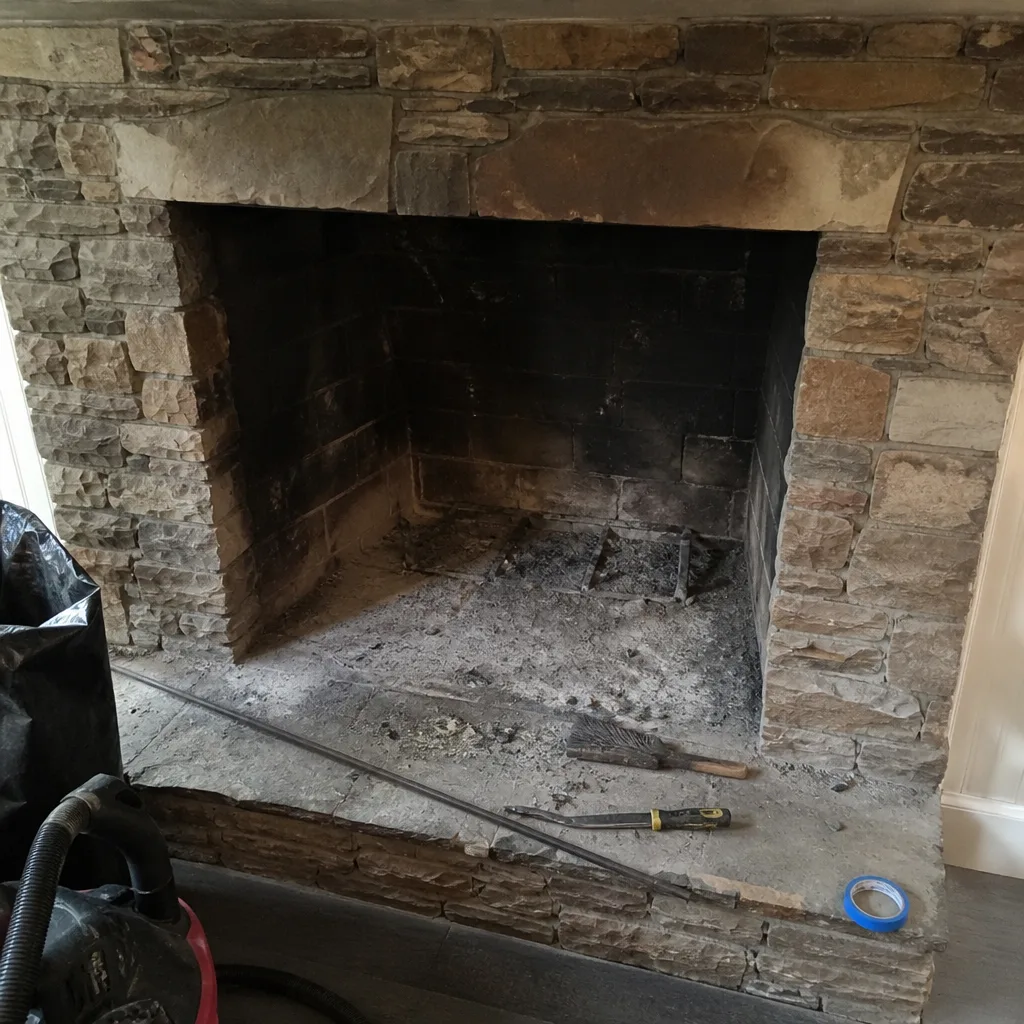 Before
 After
 Before
 After
When to Call a Professional
Some things you can check yourself. You can look up at the chimney from the driveway and see whether the cap is still on. You can shine a flashlight up into the firebox and see whether the damper opens. But the moment you’re looking at anything beyond that – a cracked liner, a crown that’s visibly failing, glazed creosote in the flue, or a firebox with cracked mortar – you’re past the point where a homeowner can usefully diagnose the problem.
Safety matters here. Chimneys involve high temperatures, carbon monoxide venting, and structural masonry. Anything beyond routine checks needs a trained professional with the right tools and the right inspection protocol.
Chimney Sweep Dilworth offers free estimates in Dilworth – call (888) 378-0297. We answer 24/7. Fast dispatch from 7am to 7pm, Sunday through Friday. Nothing is recommended without camera evidence you can see for yourself, and we’ll tell you plainly when work can safely wait.
Frequently Asked Questions
Chimney cleaning in Dilworth is priced per job by a written estimate, and the estimate is free. The price depends on the flue configuration, whether the chimney has an off-set, the creosote stage, and whether repair work is included. Call (888) 378-0297 to book an estimate, or stop by our Chimney Sweep Dilworth page for what the service covers. You’ll get a written scope before anything is scheduled – no surprise charges, and nothing recommended without photos to back it up.
Most wood-burning chimneys should be swept and inspected once a year, ideally before the burning season. Homes that burn wood more frequently, or that burn unseasoned wood, may need more frequent cleaning. Gas fireplace chimneys need less brushing but still need the cap and crown inspected annually, since those are exposed to the same weather regardless of what fuel you burn.
Only if the camera inspection shows the liner is cracked, separated, or deteriorated to the point where it’s no longer a barrier between the flue gases and the structure of the house. A cracked clay tile liner is a real problem; a slightly glazed but intact liner often is not. That’s why we show photos of the actual liner sections before recommending anything. In many cases, a deteriorated flue can be restored with HeatShield ceramic resurfacing instead of a full liner replacement, which rebuilds integrity without tearing the chimney apart.
Creosote builds up in stages, and the higher stages are harder to remove and more of a fire hazard. A flue that’s been skipped for a few seasons can accumulate Stage 2 or Stage 3 creosote, which requires rotary cleaning and in severe cases chemical treatment. Meanwhile, crown cracks widen with every freeze-thaw cycle and start letting water into the masonry. Skipping cleaning doesn’t just delay a sweep – it lets the underlying repair scope grow. Call (888) 378-0297 for an inspection before it becomes a rebuild.
Much of Dilworth’s housing predates 1980, which means many chimneys have original clay tile liners that are now decades old and showing the effects of repeated freeze-thaw cycles. Homes near the light rail corridor often have off-set flues, which trap creosote in the pocket below the jog. A standard sweep from the roof can’t see either of those. A camera inspection can. If your home is in that age bracket and you’ve never had the liner camera-inspected, that’s the single most useful diagnostic you can get.
A cleaning receipt says the chimney was swept on a date. A cleaning report documents the flue condition before and after cleaning with photos, rates the creosote stage, and lists repair recommendations broken into urgent and non-urgent. Only a report gives you a record of your chimney’s condition that’s useful if a problem ever comes up. Ask any chimney service whether a written report with photos is standard before you book. If it isn’t, you’re paying for the flue brush only.
The Bottom Line
A chimney is five separate systems, not one. The flue, firebox, liner, cap, and crown each fail in their own way, and sweeping the flue without checking the others is how small problems become large ones. Creosote forms in three stages, and brushing only reliably handles two of them. Dilworth’s older housing stock adds a layer of specific risk – pre-1980 clay liners, off-set flues, and crowns that have seen decades of freeze-thaw. A cleaning report with photos is worth more than a receipt with a date. If you want the diagnostic that actually tells you what your chimney needs, call (888) 378-0297 and we’ll book you an estimate.
From the firebox to the cap, we cover the whole system – sweep, inspect, cap and crown, fireplace repair, and chimney repair – so one company handles the diagnosis through the completed repair. Our technicians have up to 12 years of experience. We answer 24/7. Fast dispatch from 7am to 7pm, Sunday through Friday.
Written by the team at Chimney Sweep Dilworth.