
Last updated November 22, 2026
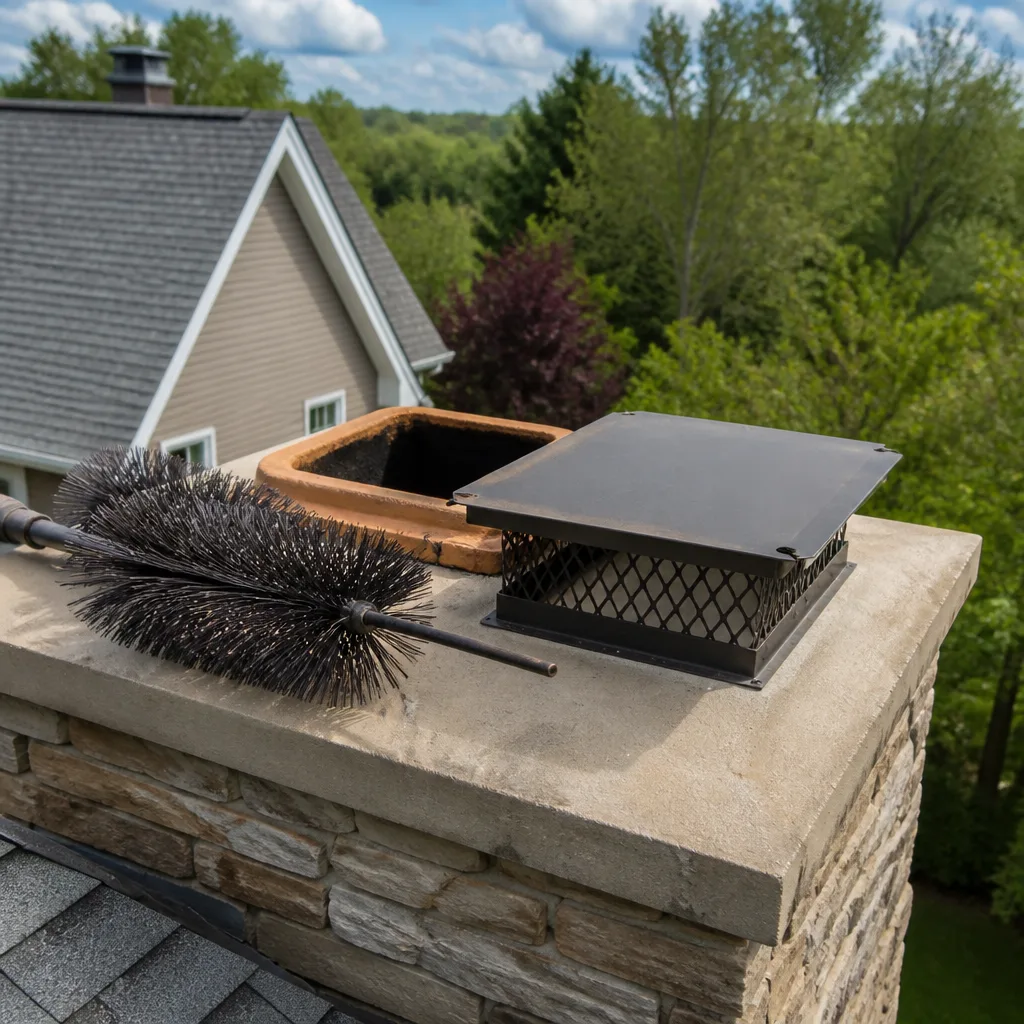 Sweep & inspection
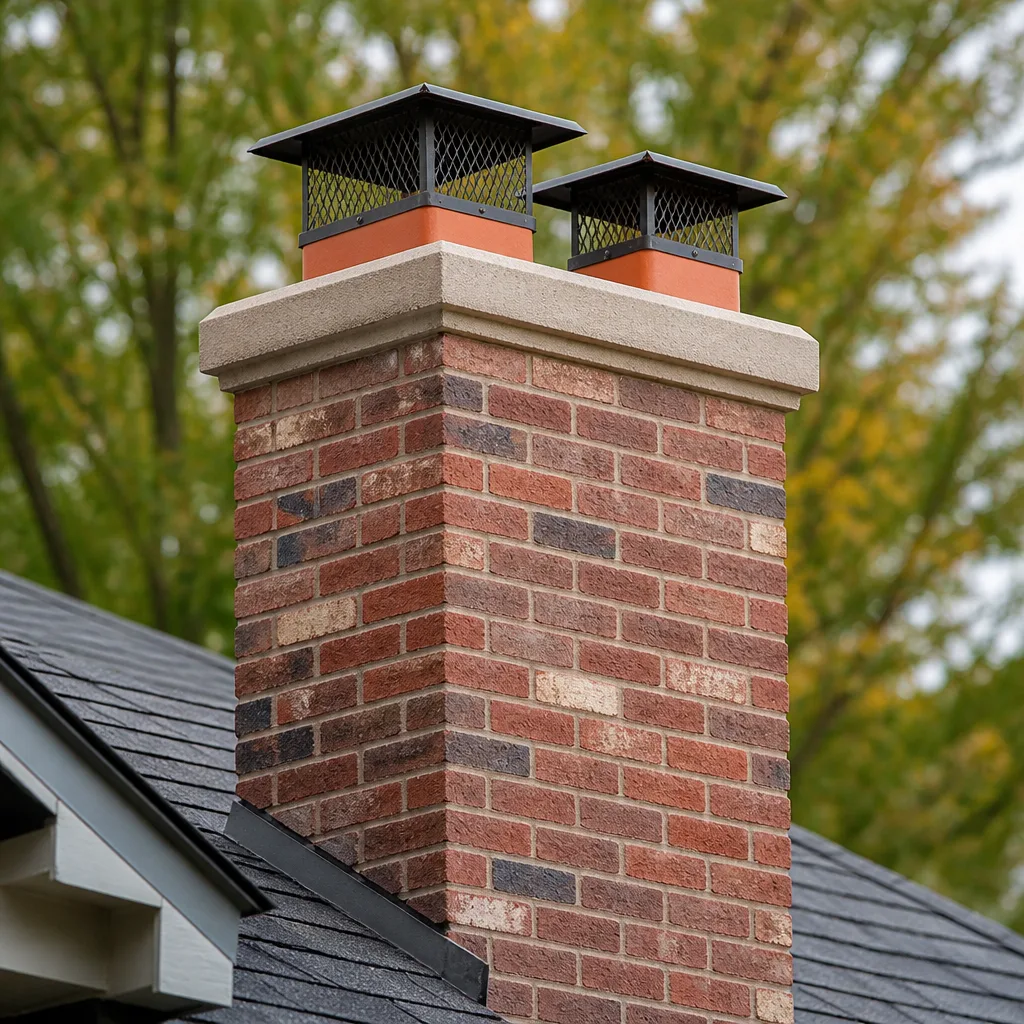 Caps & crowns
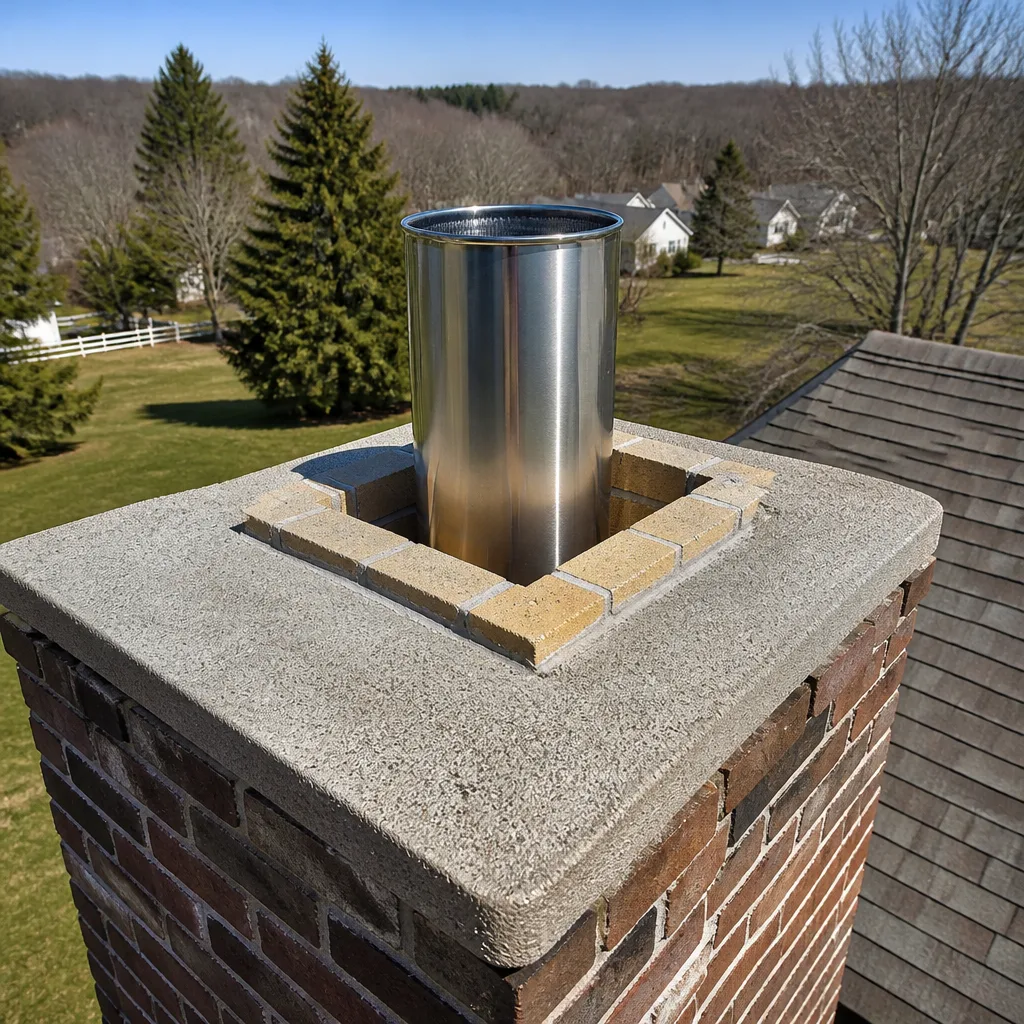 Flue relining
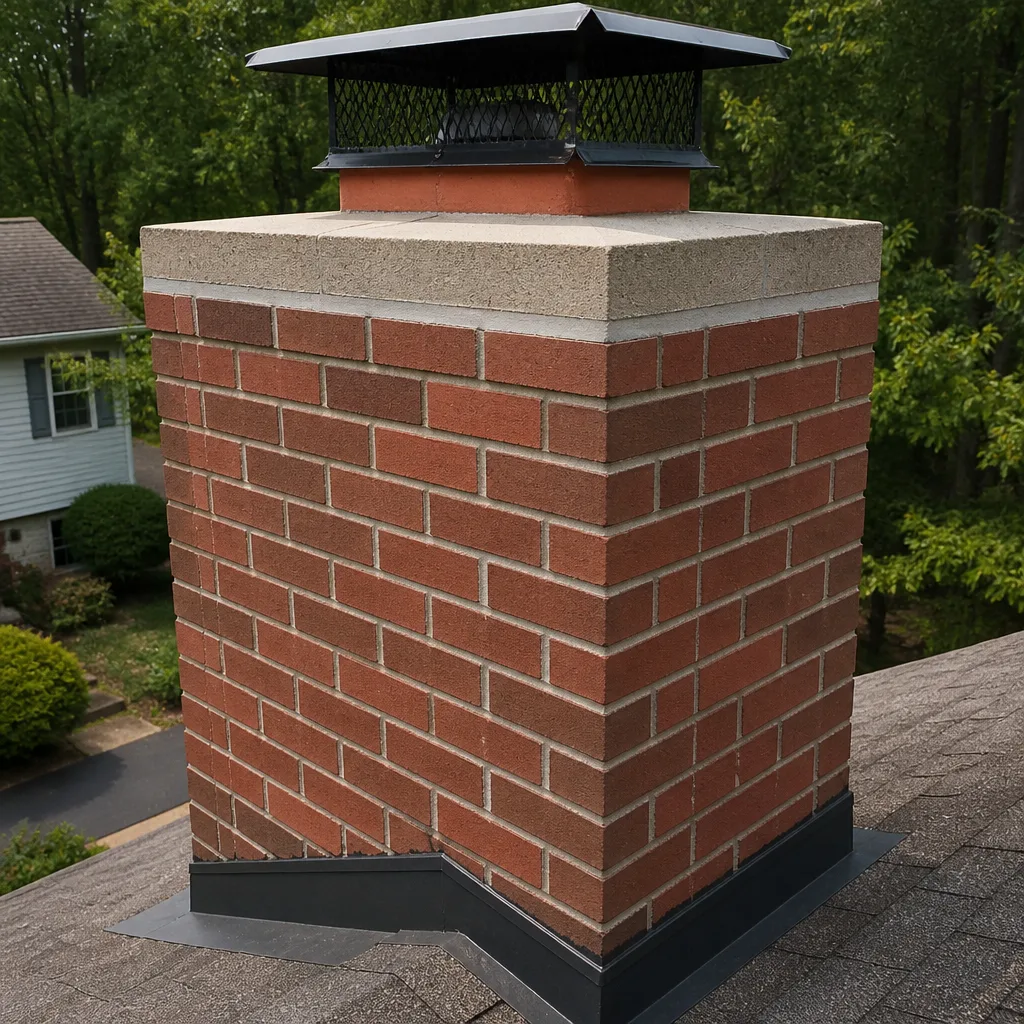 Masonry repair
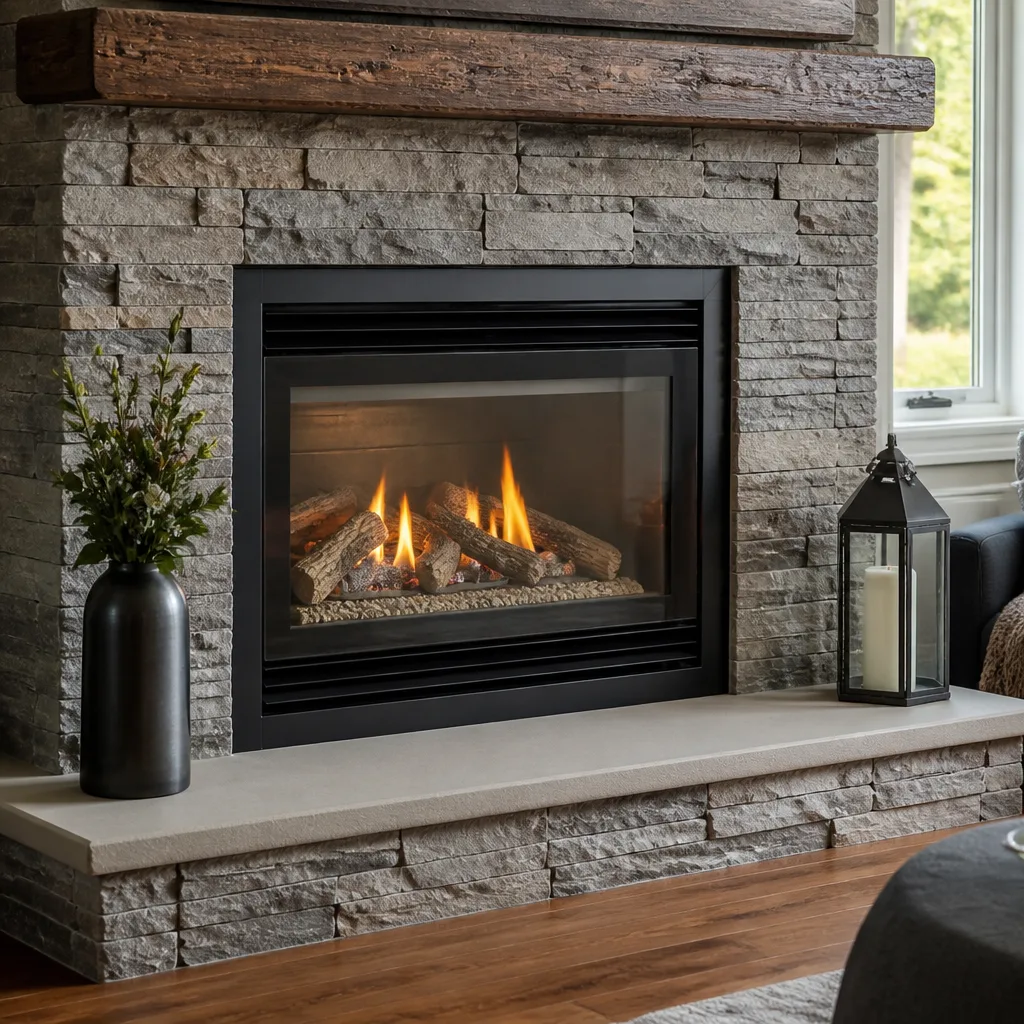 Gas fireplace service
Level 1 sweep and inspection to the NFPA 211 annual standard - flue, crown, cap, and flashing checked and photographed
Chimney sweep logs do not sweep chimneys. They loosen some creosote - which then falls where a brush and vacuum still have to collect it.
DIY vs Professional Chimney Cleaning: The Dilworth Homeowner’s Decision Guide
You can buy a chimney brush kit at a home improvement store for around $45 and run it up your own flue. What you cannot buy at that same store is a liner camera, a chemical degrader rated for heavy Stage 2 creosote, or the trained eye that catches a hairline crack in a clay tile before it becomes a rebuild. That’s the real decision in front of you, and it has almost nothing to do with whether you’re capable of pushing a brush. In this guide we’ll draw the line clearly: which Dilworth homeowners can reasonably clean their own flues, which absolutely should not, and what a hybrid approach looks like when you want to stay hands-on without gambling on your chimney’s condition.
Styles & brands we work with
- Sweep & inspection
- Caps & crowns
- Flue relining
- Masonry repair
- Gas fireplace service
Quick Answer
DIY chimney cleaning is reasonable only for a homeowner with a straightforward flue, light annual use, and no known liner or masonry issues, and even then it should never replace a professional inspection. For most Dilworth homes, especially those burning regularly through the heating season or running an older masonry chimney, professional cleaning and inspection is the safer and ultimately cheaper path. The brush cleans. The inspection is what protects the house.
Table of Contents
- The Honest DIY Use Case: When Self-Cleaning Is Reasonable
- What DIY Kits Don’t Include, and What They Therefore Can’t Detect
- The Liability Calculus: How DIY Cleaning Affects Your Insurance
- The Cost-Benefit Math at Different Usage Levels
- The Hybrid Approach: What You Can Safely Do Between Professional Visits
- Understanding Creosote Stages in a Dilworth Climate
- Common Mistakes to Avoid
- When to Call a Professional
- Frequently Asked Questions
The Honest DIY Use Case: When Self-Cleaning Is Reasonable
We’d rather tell you the truth than sell you a sweep you don’t need. There is a narrow band of homeowners for whom brushing their own flue is a defensible choice. The conditions have to line up, though, and if any one of them is missing, the calculus changes.
The reasonable DIY candidate typically looks like this:
- A simple straight flue with no offsets. A vertical flue with no bends or smoke chamber complications is far easier to brush clean than one with an offset, and far harder to damage by accident.
- Light, occasional use. A fireplace used a handful of times a season builds creosote slowly. A homeowner burning daily through winter does not have that luxury.
- A modern, factory-built or well-maintained masonry chimney with a known history. If you’ve had the liner and crown inspected recently and know they’re sound, you’re brushing a clean system, not discovering a broken one.
- Seasoned, dry wood only. Green or wet wood produces far more creosote, which compresses the cleaning interval and pushes the job out of DIY territory.
- A homeowner who understands what “clean” actually means. Brushing the visible flue and calling it done is not the same as clearing the smoke shelf, the smoke chamber, and the firebox.
Notice what’s not on that list: “I’m handy.” Competence with tools isn’t the deciding factor. The deciding factor is whether your chimney configuration and usage pattern keep the risk low. A chimney in Dilworth that sees regular winter fires is a different animal from a decorative flue used twice a year. If you can’t honestly put your chimney in the low-risk column, the DIY option isn’t really on the table.
What DIY Kits Don’t Include, and What They Therefore Can’t Detect
A brush kit cleans. It does not diagnose. That distinction matters more than most homeowners realize, because the failures that actually threaten a house aren’t the soot you can see. They’re the problems you can’t see from the top or the bottom of a flue.
Here’s what a basic DIY kit leaves on the shelf, and the failure mode each tool is designed to catch:
- A liner camera. Without one, you cannot see the interior face of the flue liner. A hairline crack in a clay tile, or a gap at a tile joint, opens a path for heat and carbon monoxide into the surrounding structure. From above, the tile looks fine.
- Chemical creosote degraders rated for Stage 2 deposits. Heavy, glazed creosote doesn’t respond to a brush. It has to be chemically broken down first. A brush spinning across a glazed deposit polishes it and leaves it in place.
- Combustion and draft testing. A brush can’t tell you the chimney is drafting correctly. Poor draft pushes smoke and carbon monoxide back into the living space.
- Crown, cap, and flashing inspection from a safe position. The most common causes of water damage to a chimney start at the top, and they’re not visible from the ground.
- The trained judgment to know when a finding is cosmetic and when it’s structural. This is the piece no kit can supply.
In our experience, the cracked crown is the classic example. A homeowner brushes the flue, feels productive, and never looks at the crown. Water gets in through the crack, freezes and thaws through a Dilworth winter, and the damage compounds quietly until it’s a rebuild instead of a repair. When we recommend cap or crown work, we document it with photos first. The recommendation should follow the evidence, not the other way around. Anyone can look at those photos and see the crack for themselves.
The Liability Calculus: How DIY Cleaning Affects Your Insurance
This is the part of the decision most homeowners never think through until it’s too late. Insurance carriers care about maintenance records, and a chimney fire in a home with no professional inspection on record raises uncomfortable questions.
We’re not insurance adjusters and we won’t pretend to interpret your policy. But the general pattern is worth understanding. When a chimney fire happens, an adjuster will typically ask when the chimney was last inspected and cleaned, and by whom. A professional inspection leaves a documented record: what was found, what was recommended, what was done. A homeowner with a brush and a ladder leaves no such record.
A few things to keep in mind:
- Documentation is the point. The value of a professional inspection isn’t just the cleaning. It’s the paper trail showing the system was maintained.
- A DIY cleaning does not create that record. If a fire occurs, there’s no third party who inspected the flue and can speak to its condition.
- Recommendations you declined are also documented. If an inspector flagged a liner issue and you chose to defer it, that’s on the record, which is exactly why honest reporting matters on both sides.
This is one reason we start with inspection, not sweeping. An inspection gives you the findings, in writing, with photos. You decide what happens next. That record is worth something the day after a fire, even if you never expected to need it.
The Cost-Benefit Math at Different Usage Levels
The honest answer to “is professional cleaning worth it” depends entirely on how you use your fireplace. Let’s walk through it without pretending a single number fits every home.
Light use (a few fires a season): If you light a fire on the occasional cold evening, your creosote accumulation is slow. A professional inspection and sweep on a sensible interval, and brushing in between if you’re inclined, keeps you well within safe territory. The annual cost spread across a year is small, and the inspection is where the real value sits.
Moderate use (regular winter fires): This is the largest group of Dilworth homeowners, and it’s where the math tilts firmly toward professional. Regular burning builds creosote at a rate that rewards knowing exactly what’s in the flue. A brush won’t tell you whether you’re at Stage 1 or Stage 2. A camera and a trained eye will.
Heavy use (daily burning through the season): Here, DIY cleaning is a false economy. Heavy use means faster accumulation, which means the cleaning interval is shorter and the consequences of a missed problem are higher. Professional cleaning and inspection on a frequent schedule is simply the cost of running a wood-burning appliance hard.
One more factor: the price of a professional sweep and inspection is a fraction of the cost of a liner replacement, and a tiny fraction of the cost of fire damage. When you frame the decision as “brush kit versus professional sweep,” the brush looks cheaper. When you frame it as “brush kit versus catching a failing liner before it fails,” the comparison changes entirely. The estimate is free, and it’s set per job in writing, so you know the number before any work begins.
The Hybrid Approach: What You Can Safely Do Between Professional Visits
You don’t have to choose one extreme or the other. There’s a sensible middle path where the homeowner handles the low-risk upkeep and the professional handles the diagnosis. Done right, it extends your cleaning intervals without compromising safety.
Here’s what a reasonable hybrid routine looks like:
- Keep a burn log. Note roughly how often you burn and what you burn. This tells you and your sweep when the next cleaning is actually due, rather than guessing.
- Burn only seasoned, dry wood. This is the single biggest lever you have on creosote accumulation, and it costs nothing but discipline.
- Do a visual check of the firebox and damper area. Look for obvious buildup, rust, or debris. You’re not diagnosing; you’re noticing.
- Check the cap from the ground with binoculars. A missing or damaged cap lets water and animals in. If something looks off, that’s a call, not a project.
- Book a professional inspection on a schedule. This is the anchor of the whole approach. The inspection tells you what’s actually happening inside the system, and your between-visit brushing becomes an informed choice rather than a guess.
What you should not do between visits: climb onto the roof to inspect the crown and flashing yourself, open up the smoke chamber, or attempt to address a liner problem. The hybrid approach is about upkeep, not diagnosis. The moment the work requires judgment about the system’s condition, that’s professional territory. We’ll say more about safety in a moment, because it’s the reason the line exists.
Understanding Creosote Stages in a Dilworth Climate
Creosote is the residue of incomplete combustion, and it’s the reason chimney cleaning exists at all. It builds in recognizable stages, and each stage demands a different response. Knowing the stages helps you understand why a brush alone is sometimes not enough.
- Stage 1: Soot and flaky residue. The lightest stage. A brush handles this well, which is exactly why DIY cleaning works on well-maintained, lightly used chimneys.
- Stage 2: Crumbly or hardened deposits. This stage is where brushing starts to fall short. The deposits cling, and a brush can pass over them without removing them. Chemical degraders become necessary.
- Stage 3: Glazed, hardened creosote. This is the most combustible stage and the hardest to remove. It requires chemical treatment and, often, professional equipment and technique.
Dilworth’s climate plays a role here. Our winters bring freeze-thaw cycles that work on masonry and crowns, and the heating season concentrates wood burning into a few months. A chimney that sees steady use through that stretch can move from Stage 1 to Stage 2 within a single season. That’s why the inspection matters more than the calendar: the schedule should follow what’s actually in the flue, not a fixed date on the wall.
There’s a safety point we want to be direct about. Creosote is highly combustible, and a chimney fire can spread beyond the flue into the structure of the house. Carbon monoxide is a separate hazard: a blocked or damaged flue can let combustion gases back into your living space, and CO is odorless. This isn’t a reason to panic about your fireplace. It’s a reason to treat inspection as non-negotiable, even when cleaning feels optional. For anything involving liner condition, the smoke chamber, or a suspected crack, use a trained professional. A camera inspection, a photo report, and a written assessment are worth far more than a brush and a ladder.
Common Mistakes to Avoid
- Treating brushing as inspection. Clearing the flue and assuming the chimney is sound are two different things. The brush handles the first; it says nothing about the second.
- Polishing glazed creosote instead of removing it. A brush run across Stage 3 deposits can harden and shine the surface without taking it off. If the flue is glazed, a brush is the wrong tool.
- Ignoring the crown and cap. These are the two most common entry points for water, and water is what slowly destroys masonry chimneys. A clean flue under a cracked crown is still a chimney in trouble.
- Burning green or wet wood to save money. It’s the fastest way to accelerate creosote buildup and shorten your cleaning intervals. Dry, seasoned wood is the cheaper choice in the long run.
- Cleaning on a fixed calendar instead of actual use. A chimney that burned twice doesn’t need the same schedule as one that burned every cold night. Track your use and let the inspection set the interval.
- Assuming a gas fireplace needs no attention. Gas fireplaces still have venting and a firebox that need periodic inspection. The absence of creosote doesn’t mean the absence of maintenance.
- Deferring a flagged liner issue because nothing has gone wrong yet. A hairline crack is easy to put off and hard to notice getting worse. A documented inspection gives you a baseline to compare against next time.
When to Call a Professional
Call a professional when any of the following is true: your fireplace sees regular winter use; you’ve never had the liner inspected or you don’t know its condition; you notice glazed creosote in the flue; the crown is cracked or the cap is missing or damaged; you smell smoke in the house when the fireplace is running; or you’re buying or selling a home in Dilworth and need a documented inspection. Call also if you’ve had a chimney fire, even a small one, because the flue needs to be checked before it’s used again. And call if you simply want to stop guessing. Chimney sweep work done right starts with an inspection and a written account of what’s found. Chimney Sweep Dilworth offers free estimates in Dilworth. Call (888) 378-0297. We answer 24/7. Fast dispatch from 7am to 7pm, Sunday through Friday.
Frequently Asked Questions
You can, but only if your flue is simple and straight, your use is light, and you’ve had the liner and crown inspected recently. For most Dilworth homeowners burning regularly through winter, professional cleaning and inspection is the safer choice because a brush can’t detect a cracked liner, a failing crown, or glazed creosote. Call (888) 378-0297 for an exact quote; estimates are free.
Chimney sweeping is priced per job by a written estimate, and the estimate is free, so you’ll know the number before any work begins. The price depends on the flue’s condition and access, and whether an inspection is included. The written estimate sets the final price. Call (888) 378-0297 for an exact quote.
Yes. Cleaning and inspection are separate jobs. The brush removes residue; the inspection determines whether the liner, crown, cap, and smoke chamber are sound. A DIY cleaning leaves you with a cleaner flue and no information about the system’s condition, and no documentation if you ever need it for an insurance claim. Call (888) 378-0297 to book an inspection.
There’s no single interval that fits every home. The schedule should follow your actual use and what an inspection finds. A lightly used fireplace can go longer; heavy winter burning in a Dilworth home compresses the interval. The reliable approach is to have the flue inspected and let the findings set the cleaning schedule. Call (888) 378-0297 for an exact quote.
Creosote accumulates and moves through its stages, and at the glazed stage it becomes highly combustible, raising the risk of a chimney fire that can spread into the structure. A blocked or damaged flue can also let carbon monoxide back into the home. Skipping cleaning isn’t an immediate emergency, but it’s a risk that compounds quietly. Call (888) 378-0297 for an exact quote; estimates are free.
A DIY cleaning doesn’t create the documented inspection record an adjuster will look for after a chimney fire. Most policies expect regular maintenance, and a professional inspection leaves a verifiable record of what was found and recommended. A brush and a ladder leave no such record. Talk to your carrier about your specific policy, and call (888) 378-0297 to book an inspection that gives you documentation.
You can keep a burn log, burn only seasoned dry wood, do a visual check of the firebox and damper area, and check the cap from the ground with binoculars. What you shouldn’t do is climb on the roof, open the smoke chamber, or try to address liner problems. Those require judgment about the system’s condition. Call (888) 378-0297 when the question becomes about condition rather than upkeep.
The Bottom Line
The decision between DIY and professional chimney cleaning isn’t really about capability. It’s about information. A brush tells you the flue is cleaner; a professional inspection tells you whether the chimney is sound, and documents it. For light-use homeowners with a simple, recently inspected flue, brushing between professional visits is a reasonable choice. For everyone else in Dilworth, especially those burning regularly through winter on an older masonry chimney, professional cleaning and inspection is the safer path and the better value. If cost is your concern, start with a free estimate, not a brush kit. We document what we find before we recommend anything. Call (888) 378-0297. We answer 24/7. Fast dispatch from 7am to 7pm, Sunday through Friday.
Written by the team at Chimney Sweep Dilworth.
See the difference
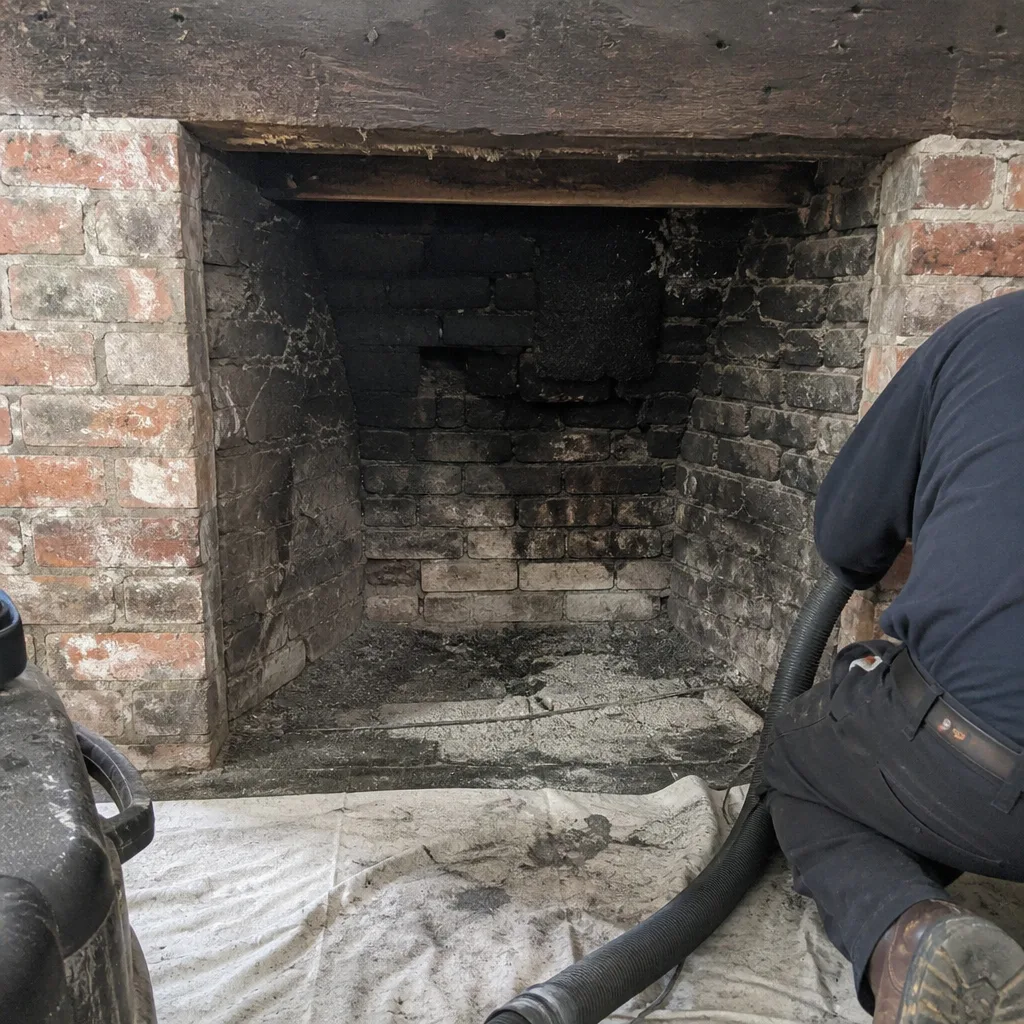 Before
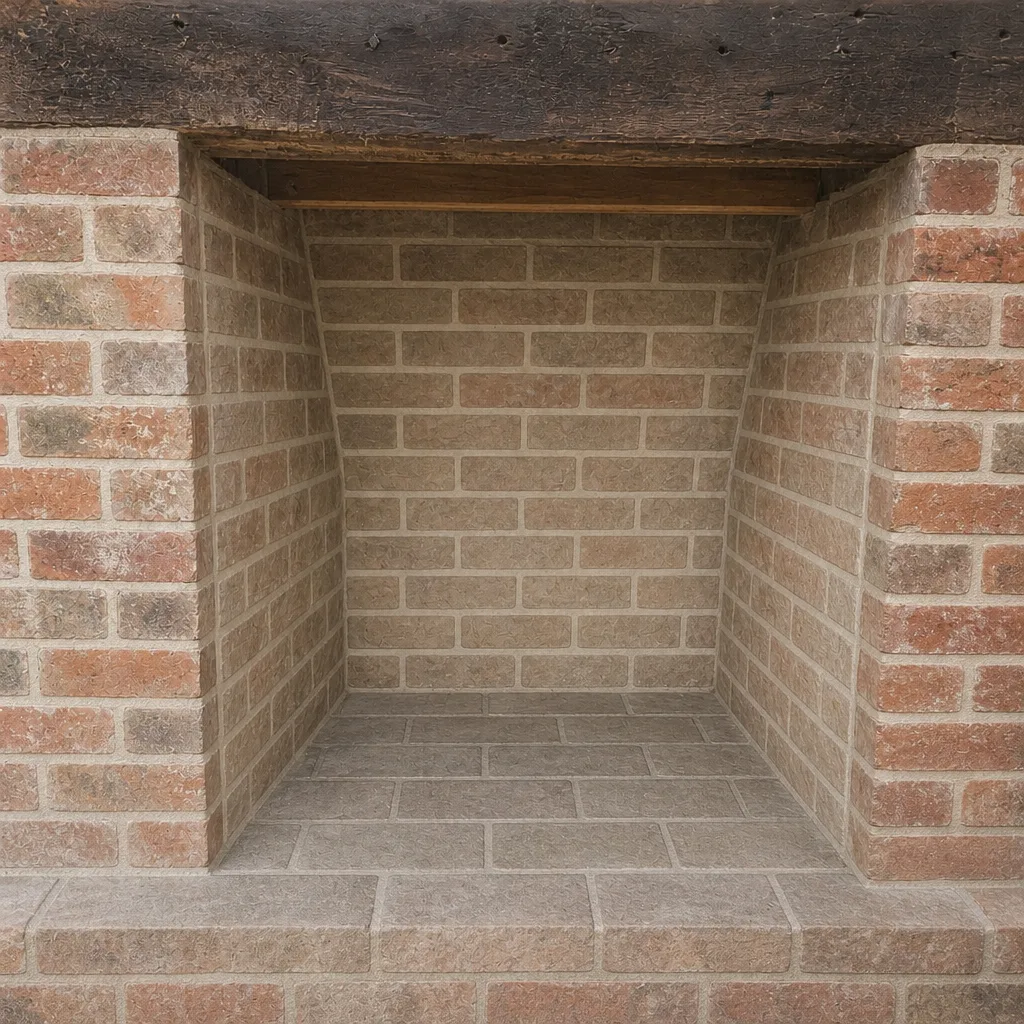 After
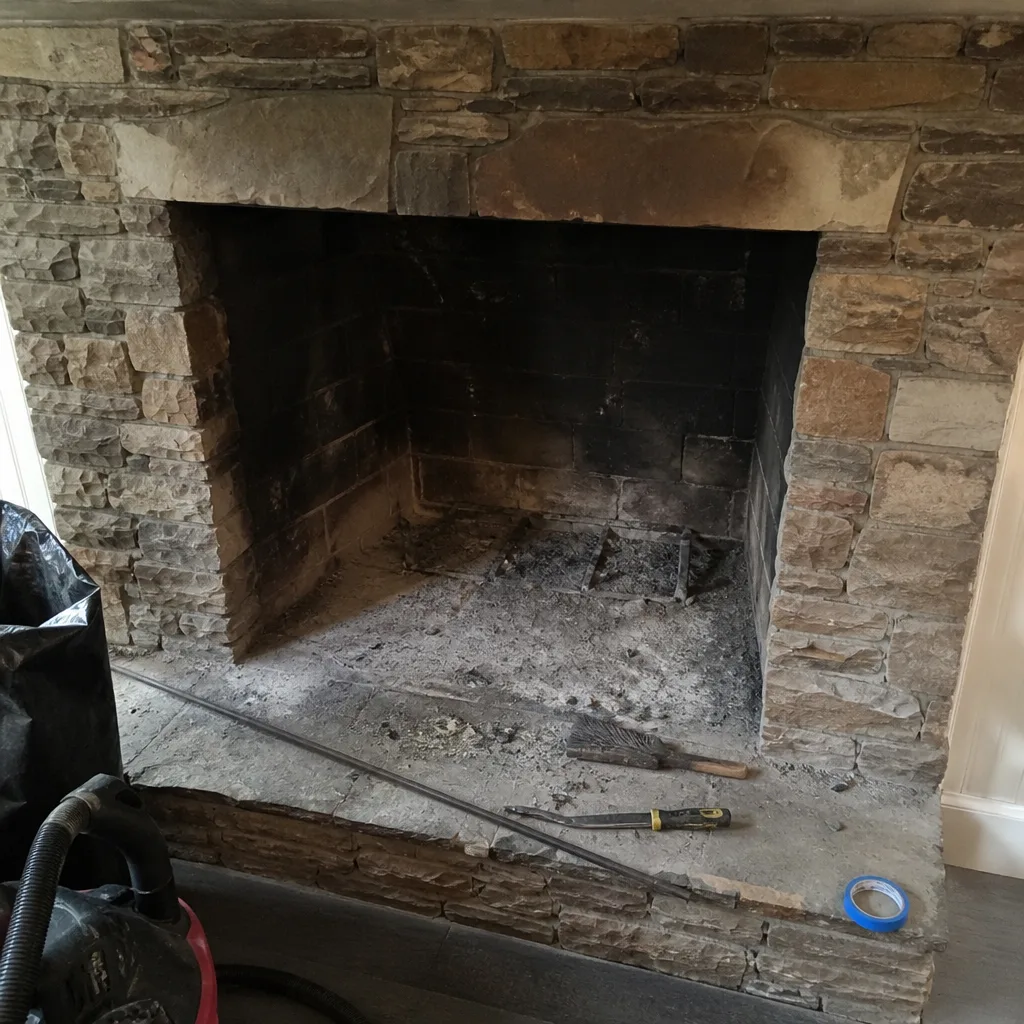 Before
 After
 Before
 After