
Last updated November 22, 2026
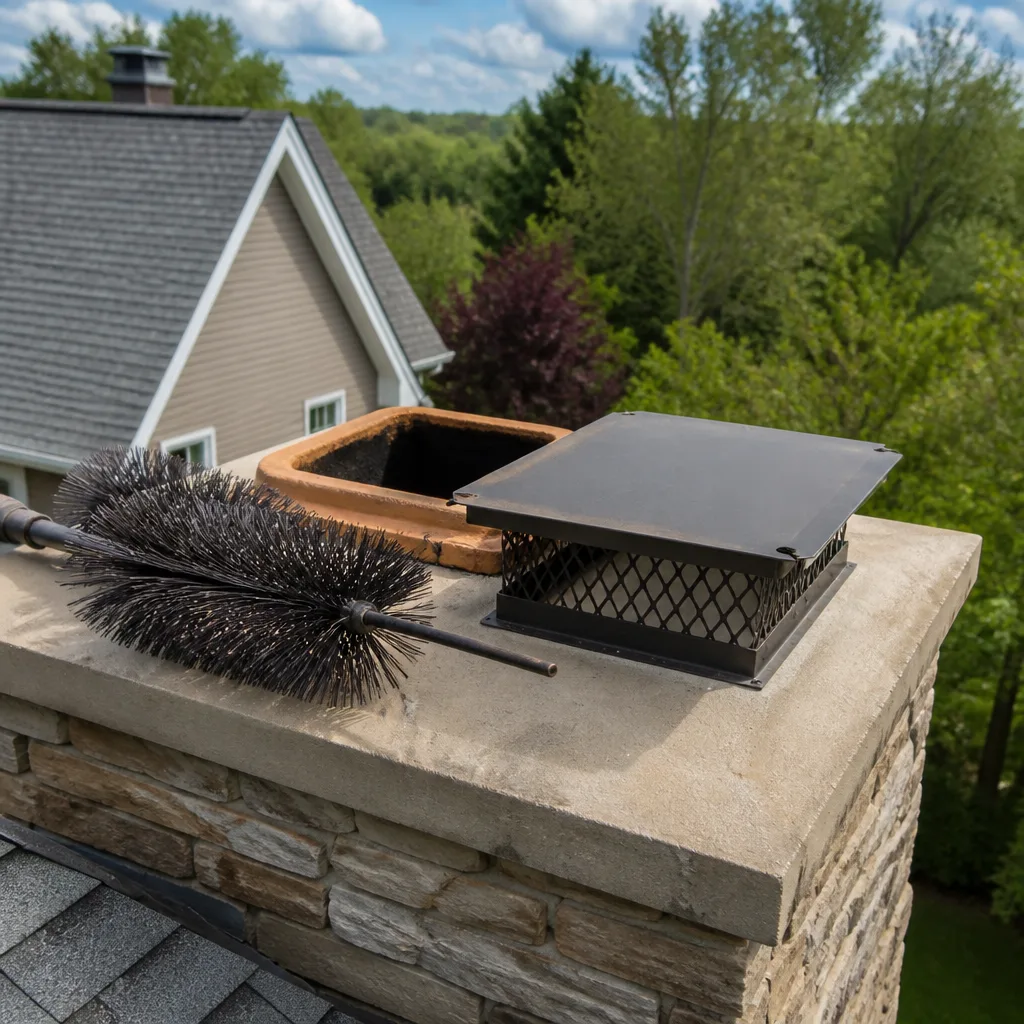 Sweep & inspection
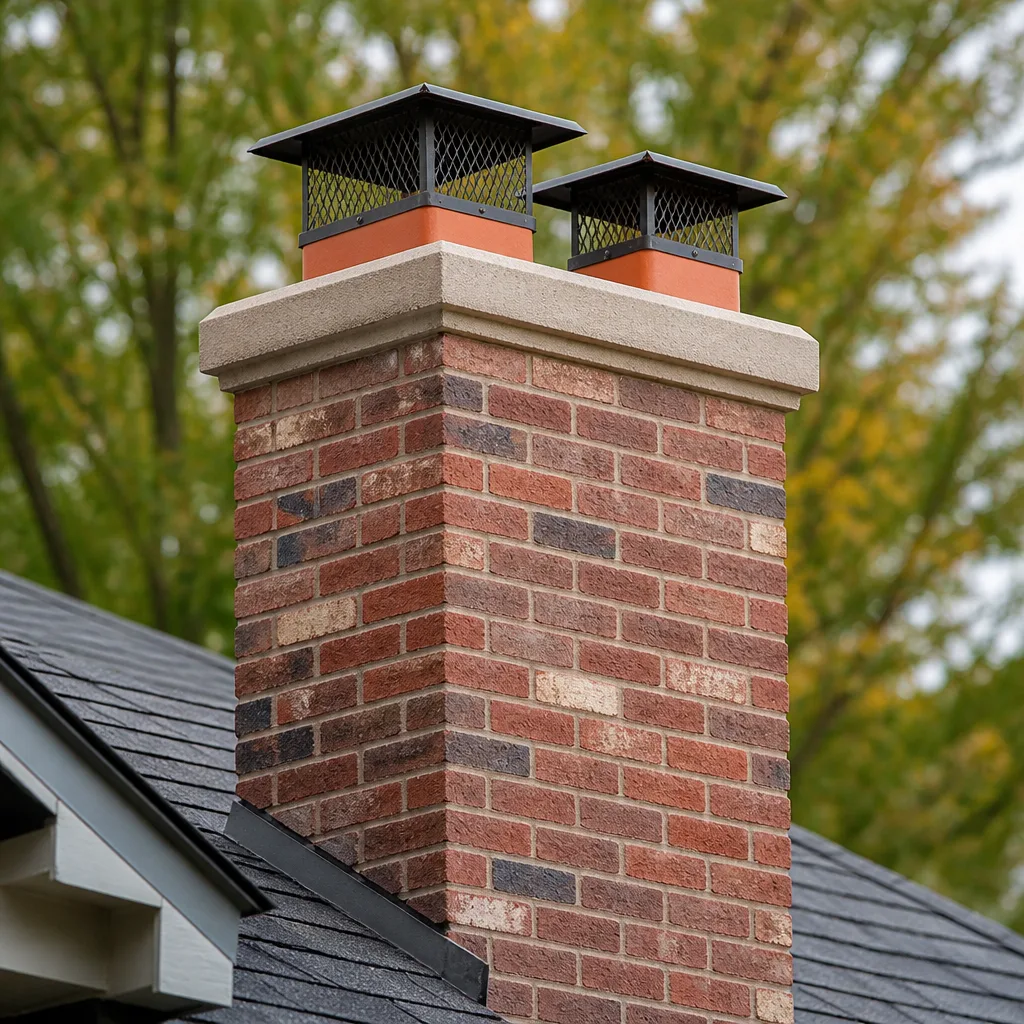 Caps & crowns
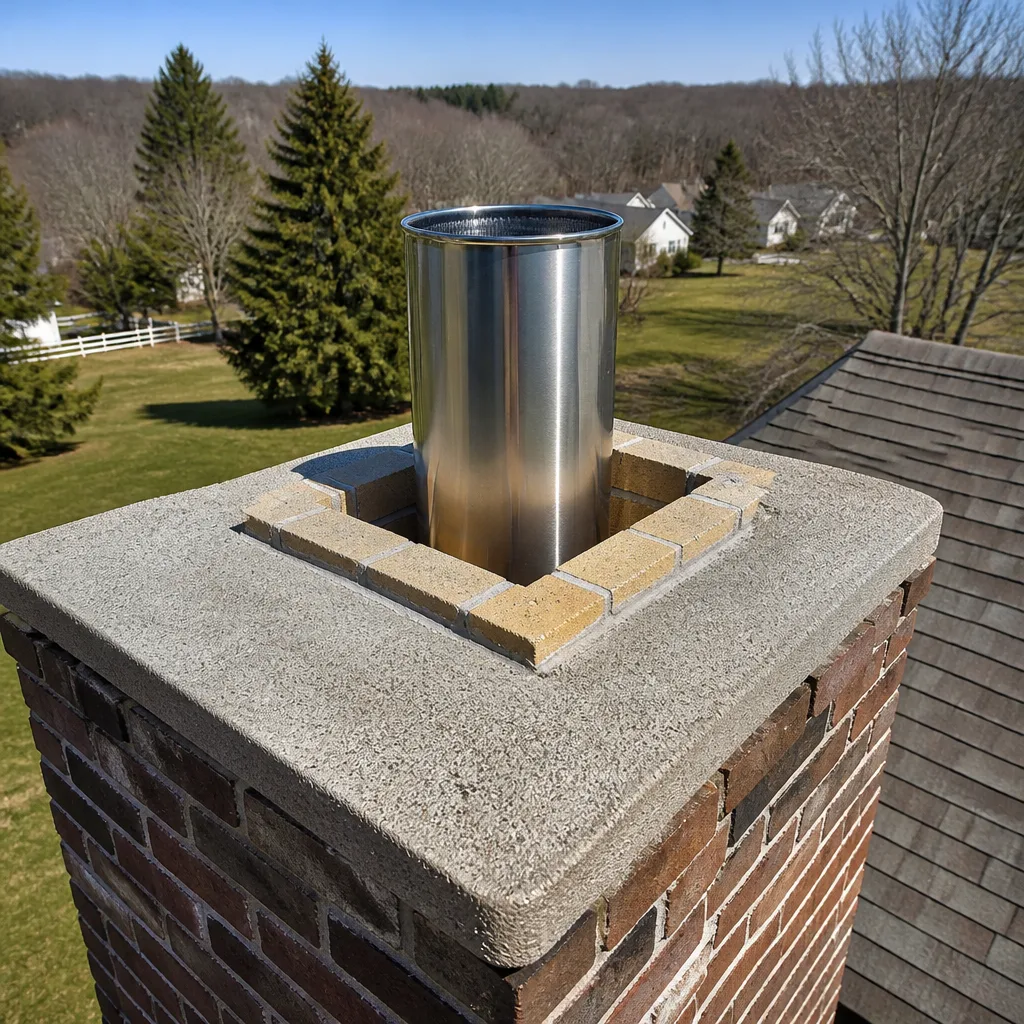 Flue relining
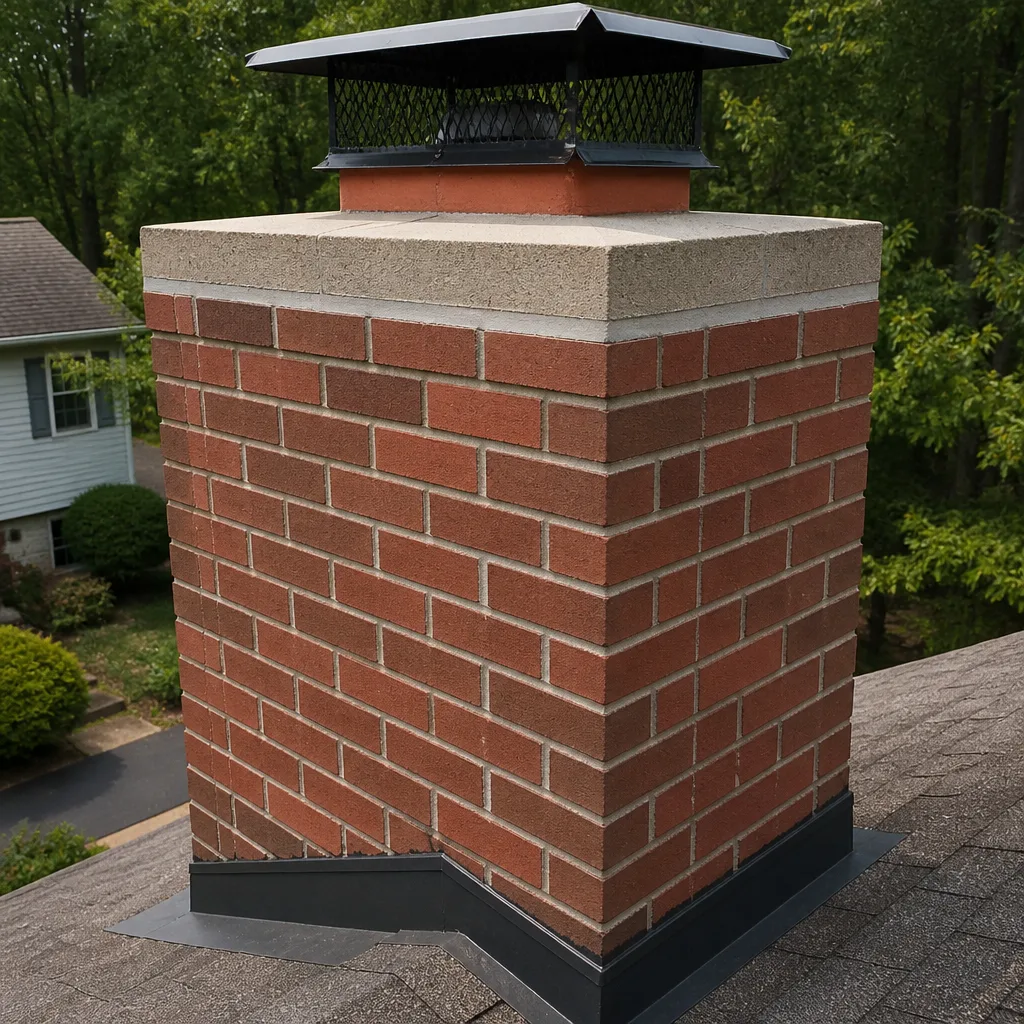 Masonry repair
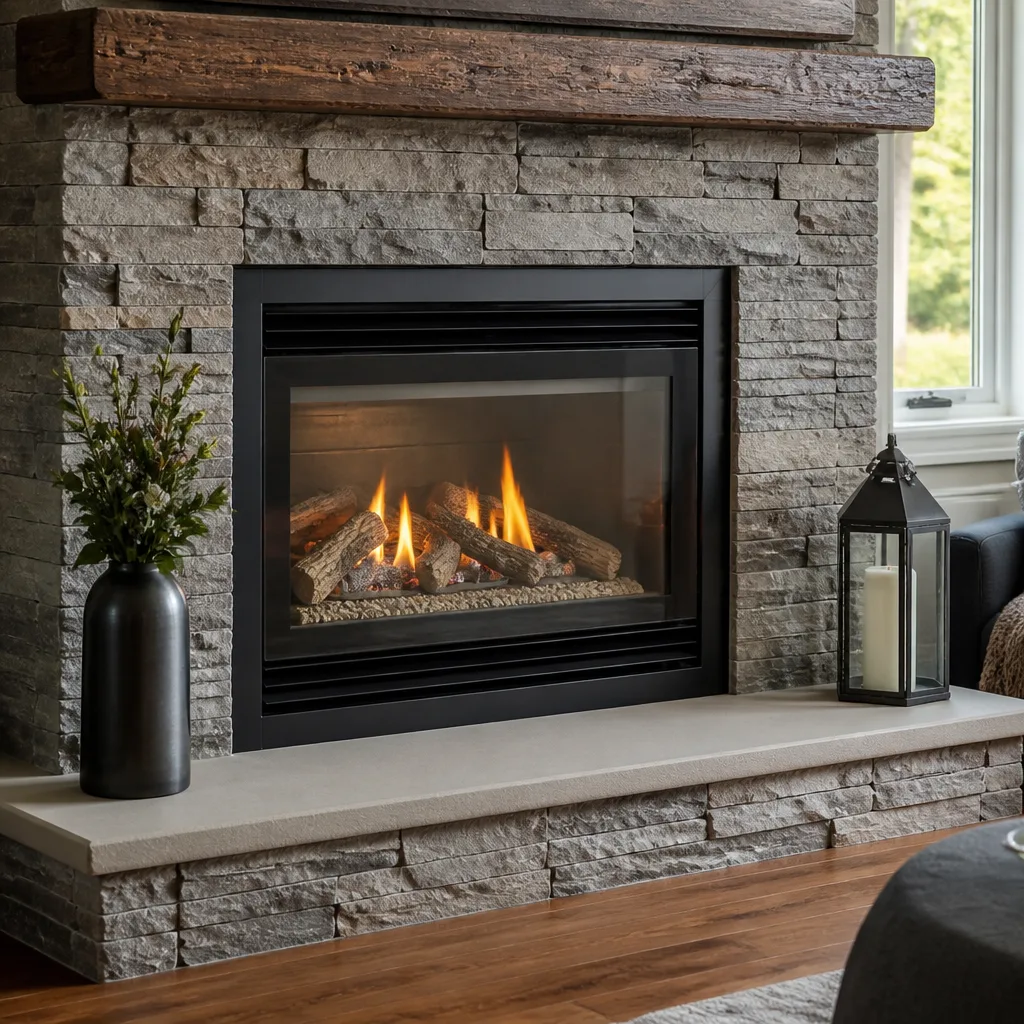 Gas fireplace service
Level 1 sweep and inspection to the NFPA 211 annual standard - flue, crown, cap, and flashing checked and photographed
Chimney sweep logs do not sweep chimneys. They loosen some creosote - which then falls where a brush and vacuum still have to collect it.
Chimney Cleaning Warning Signs: A Dilworth Homeowner’s Reference Guide
The white staining on your chimney exterior isn’t cosmetic. It’s called efflorescence, and it means water has been moving through your masonry long enough to carry dissolved salts to the surface. By the time it’s visible from the street, the damage is already inside. Most homeowners wait for a smell or a stain before they think about their chimney at all, and that waiting is exactly what turns a routine sweep into a liner replacement. This guide teaches you to read your own chimney before that happens. You’ll learn the eight exterior signs, the four interior signs, what different smells mean, and how to sort what you find into monitor, schedule, or stop using the fireplace today. We’ve walked Dilworth homeowners through every one of these.
Quick Answer
The warning signs of a chimney that needs attention fall into three groups: visible exterior damage (efflorescence, spalling brick, cracked crowns, rusted caps, mortar recession), interior problems you can check yourself (a damper that won’t seal, smoke rolling back into the room, visible liner cracks, crumbling firebox joints), and smell or performance changes. If you see loose brick, cracked flue tile, or smell strong creosote, stop using the fireplace and get an inspection. Everything else is worth documenting and scheduling.
Styles & brands we work with
- Sweep & inspection
- Caps & crowns
- Flue relining
- Masonry repair
- Gas fireplace service
Table of Contents
- Eight Exterior Warning Signs You Can See From the Yard
- Four Interior Warning Signs You Can Check From the Firebox
- Odor Diagnostics: What Your Chimney Smell Is Telling You
- Warning Signs Specific to Gas Fireplaces and Log Sets
- The Triage Framework: Monitor, Schedule, or Stop
- How Often a Chimney Needs Sweeping in Dilworth
- What You Can Safely Check Yourself (And What You Can’t)
- Common Mistakes to Avoid
Eight Exterior Warning Signs You Can See From The Yard
You don’t need a ladder or a camera to spot most serious chimney problems. Stand at the base of your chimney on a dry day and work your way from the top down. The eight signs below are the ones we ask every Dilworth homeowner to look for first, and each one points to a specific part of the system.
1. Efflorescence. That chalky white bloom on the brick is dissolved salt pushed to the surface by water moving through the masonry. It’s the single most reliable early indicator of moisture intrusion, and it almost always means the crown, cap, or flashing above it has stopped doing its job.
2. Spalling brick. When brick faces peel, flake, or pop off, the masonry has absorbed enough water to freeze and expand internally. Spalling is efflorescence’s later stage and means the brick is failing, not just stained.
3. A cracked or crumbling crown. The crown is the concrete cap at the very top that sheds water away from the flue. Hairline cracks are common; chunks missing or a crown pulling away from the flue is not. Once the crown fails, water runs straight down into the chimney.
4. A rusted or missing cap. A chimney cap keeps rain, animals, and debris out of the flue. Rust-through on a metal cap, or a cap that’s come loose, opens the flue to everything the weather can throw at it.
5. Gaps at the flashing. The flashing is the metal seal between the chimney and the roofline. Look for lifted edges, missing sealant, or daylight where the two meet. Water gets in here more often than anywhere else on the chimney.
6. Receding mortar joints. Mortar should sit flush between the bricks. When it’s recessed by a quarter inch or more, or crumbling to powder when you touch it, the joints are eroding and the wall is weakening.
7. Staining patterns. Dark vertical streaks below the crown mean water is running down the outside. Rust-colored streaks around the flashing point to corroded metal. A dark stain on an interior ceiling near the chimney is the same problem seen from inside.
8. Vegetation growth. Ivy, moss, or weeds sprouting from the chimney or its joints are holding moisture against the masonry. Organic growth is a symptom, not the disease – the disease is the water it’s feeding on.
Any one of these is worth a photo and a note. Two or more together usually means it’s time for a formal inspection rather than a wait-and-see approach.
Four Interior Warning Signs You Can Check From The Firebox
Now step inside and open the firebox doors. You don’t need tools for any of this. Look, listen, and use your nose. These four checks take about five minutes and catch problems the exterior view can’t show you.
Damper operation. Open and close the damper by hand. It should move smoothly and seat flat when closed. A damper that sticks, won’t close fully, or rattles loosely lets heated air escape up the flue year-round and can let smoke back into the room when you light a fire.
Smoke rollback. If smoke drifts into the room instead of up the flue, even slightly, something is off with draft. That’s often a blockage, a failing damper, or a flue that’s too cold or too small. Rollback is not normal and shouldn’t be accepted as “just how this fireplace works.”
Visible liner damage. Shine a flashlight up the flue from the firebox and look for cracks, gaps between tiles, missing chunks, or a flaking surface. The liner is what keeps combustion gases and heat away from the framing and masonry; cracks in it are a safety issue, not a cosmetic one.
Firebox joint condition. The joints where the firebox panels meet should be tight. Crumbling mortar, gaps, or rusted metal panels around the firebox mean heat is escaping where it shouldn’t. Some firebox assemblies are rebuilable with a resurfacing method; others aren’t, and the difference matters.
If the liner shows visible cracks or the firebox joints are open, treat the fireplace as out of service until it’s inspected. You can read what a real chimney sweep covers versus a quick brush-and-go visit, because those are not the same inspection.
Odor Diagnostics: What Your Chimney Smell Is Telling You
Your nose is one of the most useful diagnostic tools you have, if you know what the smell means. Different odors point to different problems with different urgency levels. Here’s how we sort them.
- Strong creosote smell. A sharp, smoky, tar-like odor means creosote buildup in the flue. It’s the residue of incomplete combustion, and it’s highly flammable. Moderate buildup calls for a sweep; heavy, glazed creosote calls for a sweep plus a look at your burning habits and flue condition. This is the highest-urgency smell after a real fire risk.
- Musty, damp, or earthy smell. Moisture is getting in. Usually the crown, cap, or flashing. It tends to be worse in humid weather or after rain, and it will slowly destroy masonry if it’s left alone. Schedule it rather than panic, but don’t ignore it.
- Animal smell – urine, nesting material, scratching. Birds, squirrels, or raccoons have gotten into the flue or on top of the damper. The flue needs to be cleared before you light a fire, both because nests are flammable and because an obstruction kills draft. This is a stop-and-call situation if you hear active scratching.
- Smoke smell in the house with no fire. Draft is pulling air the wrong way, often on a cold day or when a second flue in the same stack is running. It can also indicate a liner issue. Worth scheduling.
- Burning or chemical smell near a gas unit. For gas fireplaces and log sets, this is different from creosote. It can mean incomplete combustion, which is a carbon monoxide concern. Stop using it and get it inspected.
Not every smell is an emergency. But when creosote smell, animal smell, or a smoke smell indoors show up, we’d rather you call early than wait for your next scheduled service. Since you can’t see the flue from outside the firebox, an inspection is the only way to confirm which smell you’re dealing with.
Warning Signs Specific To Gas Fireplaces And Log Sets
Most chimney warning-sign checklists are built for wood-burning fireplaces and skip gas units entirely. That’s a real gap, because a gas fireplace has its own set of failure modes – and some of them are invisible to a wood-fire checklist. If you have a gas insert, log set, or a gas-fired fireplace, watch for these.
- A yellow or orange flame where it used to be blue. A steady blue flame is a clean burn. A sudden shift toward yellow or a lazy, flickering flame can indicate a burner or venting problem. Get it checked.
- Soot or black marks on the glass or logs. For a gas unit, soot is a sign of incomplete combustion, not just cosmetic staining. It commonly points to blocked venting or burner issues.
- A draft or cold air coming down the flue when the unit is off. Gas units still rely on proper venting. Backdraft means the flue isn’t drawing correctly.
- Soot, rust, or white residue on the vent cap. Vent caps for gas fireplaces can collect creosote-like deposits and moisture damage just like wood-burning caps. Inspect the cap the same way you would a wood-burning chimney cap.
- Faint smell of gas or an unusual chemical odor with the unit running. Stop using the fireplace and treat this as a same-day call. This one isn’t on most checklists, and it should be.
- Pilot light or ignition trouble, especially repeated trouble. Repeated ignition failures are a symptom to have diagnosed, not just reset.
Gas units tend to fly under the radar because they don’t produce smoke and don’t look “dirty.” The venting and combustion safety still need attention. If your gas fireplace has any of these signs, a full-system inspection is the right next step, not a flue brush.
The Triage Framework: Monitor, Schedule, Or Stop
Finding a warning sign is not the same as finding an emergency. The most useful thing you can do is sort what you’ve spotted into one of three buckets. This is the exact framework we use ourselves when we document findings for a homeowner.
- Monitor. Minor efflorescence, slight mortar recess under a quarter inch, and a slightly sticky damper are usually watch-and-note items. Photograph them, check them again in a few months, and get them looked at during your next regular service. Nothing is on fire and the system is still working.
- Schedule. Spalling brick, a visibly cracked crown, gaps in flashing, a rusting cap, moderate creosote smell, or moisture odor in the house call for a booked inspection and likely repair. These aren’t emergencies, but left alone they degrade the structure and raise the eventual cost. Book an inspection and get a written scope of the findings.
- Stop using the fireplace. Loose brick, visible cracks in the flue liner, open firebox joints, strong animal activity in the flue, smoke rolling back into the room, heavy glazed creosote, or any gas-unit smell of burning or gas. Don’t light another fire until the system is inspected. This is a safety stop, not an inconvenience to push through.
The reason this sorting matters is that a cheap sweep clears the flue and leaves the crown, cap, flashing, and liner untouched. A clean flue is the starting point, not the finish line. The whole point of a documented inspection is to see every layer of the system – the firebox, the liner, the crown, the cap – and base any recommendation on what’s actually there, not on what a checklist says should be.
We document what we find before we recommend anything. If you’ve been quoted a full liner replacement, ask to see the camera evidence from your own flue. A failing liner is a real and common problem, but it’s also the most over-sold one in this trade, and you should never take it on faith.
How Often A Chimney Needs Sweeping In Dilworth
The honest answer is that it depends on how much you burn, not how many years have passed. The general benchmark is a sweep when roughly a quarter inch of creosote has built up in the flue, or once a year for a regularly used wood-burning fireplace. Dilworth winters are mild compared to the mountains, but the burning season here is long enough that a wood fireplace in regular use can build up creosote across a full winter. Gas units don’t produce creosote the same way but still need venting and combustion checks.
Here’s the practical schedule that fits most Dilworth homes:
- A full inspection once a year for any fireplace that’s burned in the past 12 months.
- A sweep when the inspection shows meaningful creosote buildup, or once a year with regular winter use.
- A check of the crown, cap, and flashing at the same visit – these are the two most common causes of water intrusion and the parts most sweep-only companies never look at.
- An inspection before the heating season if you’ve moved into a home and don’t know the chimney’s history.
- An inspection after any storm damage, roof work, or chimney-adjacent renovation.
Timing matters as much as frequency. Getting the chimney inspected in late summer or early fall, before the first cold snap, is cheaper and easier than finding out on a cold night that your damper is stuck or the flue is blocked. It also means you have time to repair rather than scramble. If a chimney problem keeps you from using your fireplace, you want to know that in September, not November.
What You Can Safely Check Yourself (And What You Can’t)
You can check a lot of your own chimney, and you should. You cannot safely check the flue from the roof, and you should never try to climb up and look down the chimney yourself. Here’s a clear line between what’s reasonable for a homeowner and what needs a trained technician.
Safe to check yourself:
- Visual inspection of the exterior from the ground, with photos.
- Opening and closing the damper by hand.
- Looking up the flue from the firebox with a flashlight for obvious cracks or blockages.
- Noticing and noting smells (creosote, moisture, animal).
- Watching the flames and checking for smoke rollback when you have a fire.
- Checking the firebox joints and glass.
Not safe for you to do alone:
- Roof access to inspect the crown, cap, or flashing – steep roof and height work is a genuine fall risk.
- Disassembling the firebox or opening the flue liner.
- Removing heavy glazed creosote, which is risky to handle and must be done with proper equipment.
- Working on gas venting or combustion components – gas lines and combustion are a real safety hazard and belong to a trained professional.
- Anything involving cutting into or repairing the masonry structure itself.
A good inspection uses a camera and gives you photos of what’s inside the flue. You can look at those photos yourself. That evidence is your protection against a recommendation you can’t verify, and it’s why we lead with inspection rather than a sales pitch. There’s no reason for a homeowner to accept a repair scope they can’t see.
Common Mistakes to Avoid
We’ve seen the same handful of mistakes show up over and over with Dilworth homeowners. Most of them come from trusting a checklist instead of a documented inspection.
- Judging the chimney by the fire. A fireplace that lights fine can still have a cracked liner or a failing crown. A clean burn doesn’t tell you what the structure is doing.
- Choosing a sweep on price alone. A cheap sweep clears the flue and drives away. The crown, cap, flashing, and liner get no attention, and those are where the expensive failures live.
- Ignoring efflorescence because it “doesn’t hurt anything.” It’s the water behind it doing the damage, and it will keep working on the masonry until the source is fixed.
- Skipping the cap. A missing or rusted cap is the easiest entry point for rain and animals. Cap and crown work is a dedicated job for a reason.
- Assuming a gas fireplace needs no service. Gas units have their own venting and combustion failure modes. They need inspection, just a different one from a wood flue.
- Taking a full liner replacement quote without evidence. A failed liner is real, and so is upsell. Ask for the camera photos from your own flue before committing.
- Waiting until the first cold snap. Problems found in November take longer and cost more to fix than the same problems found in September.
See the difference
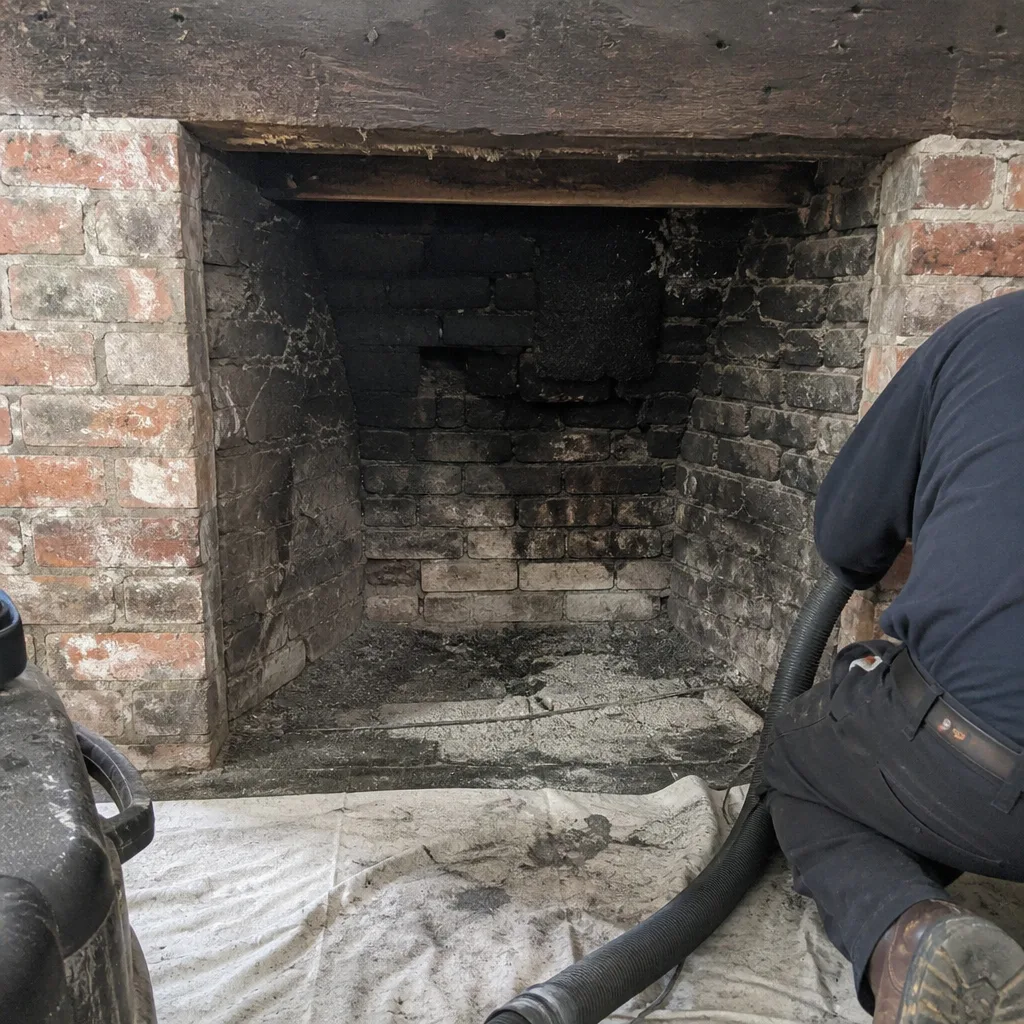 Before
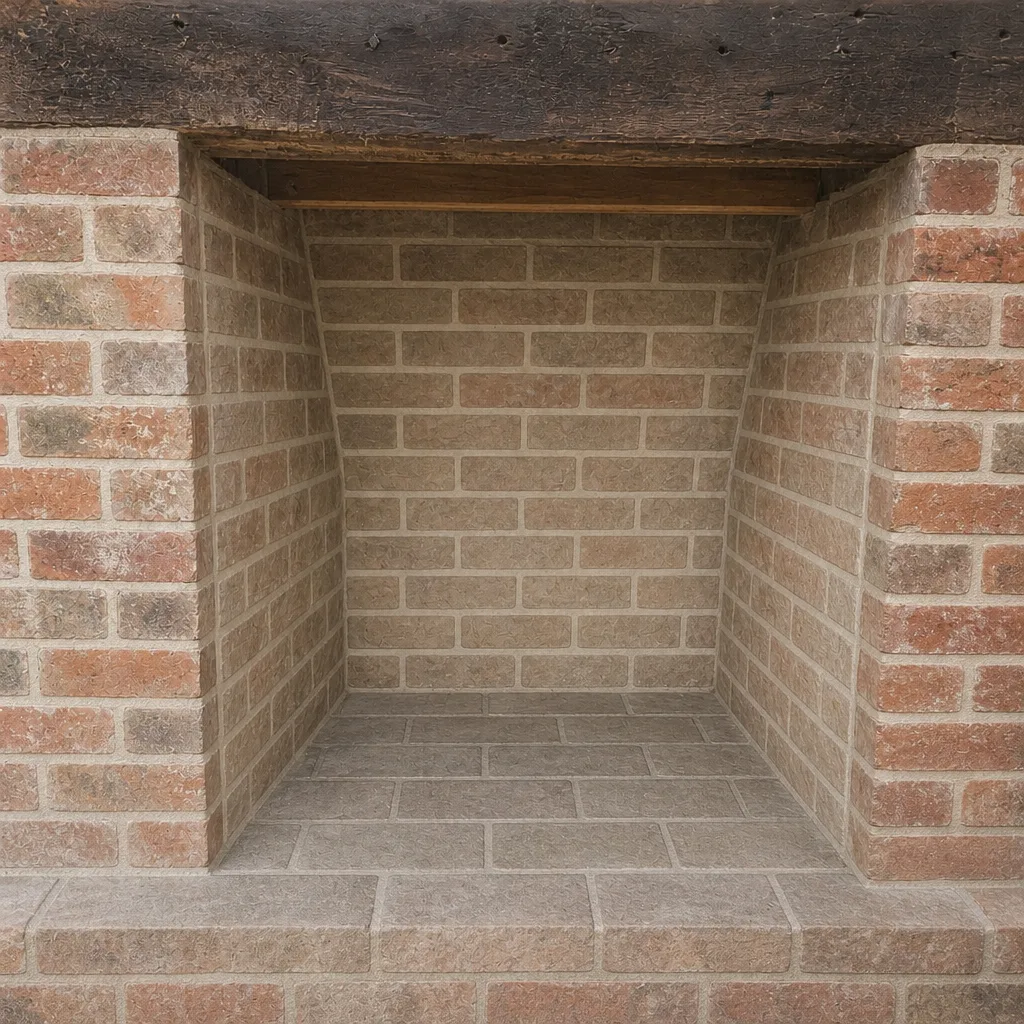 After
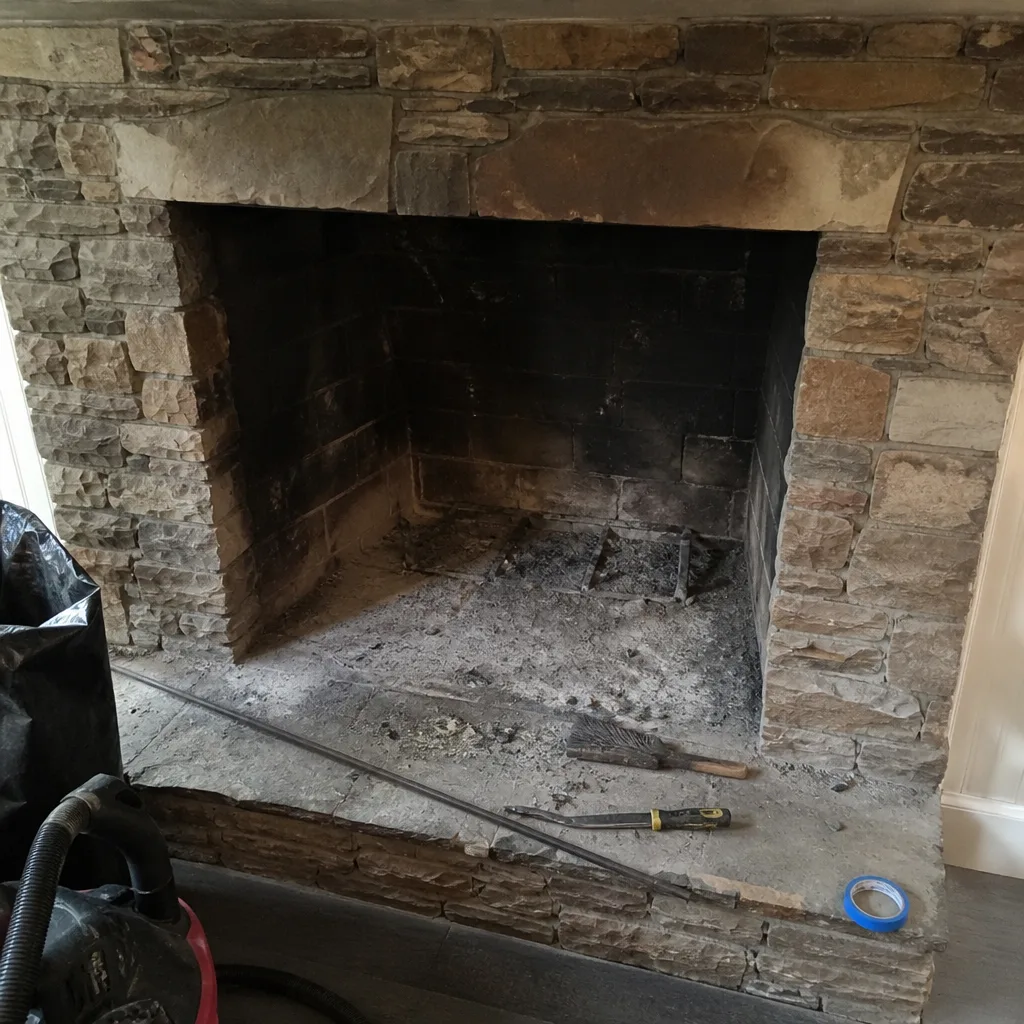 Before
 After
 Before
 After
When To Call A Professional
Call us when you’ve found one of the stop-and-call signs: loose brick, visible liner cracks, open firebox joints, smoke rolling into the room, active animal activity, a strong creosote smell, or a gas-unit smell of burning or gas. Call if you see spalling brick, a cracked crown, or gaps in the flashing. Call if you don’t know when the chimney was last inspected.
You don’t need to diagnose the problem yourself. We inspect the whole system from the firebox to the cap, document what we find, and share the photos before recommending any repair. Chimney Sweep Dilworth offers free estimates in Dilworth – call (888) 378-0297. Our technicians have up to 12 years of experience, and the estimate sets the price. We answer 24/7. Fast dispatch from 7am to 7pm, Sunday through Friday.
For a full description of what an inspection covers, see our Chimney Sweep Dilworth service page. If the issue turns out to be the firebox or the structure around it, our fireplace repair team handles that layer. And if the inspection shows water getting in through the top, chimney cap & crown replacement is the dedicated fix for it.
Frequently Asked Questions
Efflorescence – the white, chalky staining on exterior brick – is usually the earliest visible sign. It means water has been moving through your masonry long enough to carry dissolved salts to the surface, so the source is usually above it: a cracked crown, a failing cap, or open flashing. Photograph it and get it inspected.
Yes, up to a clear line. You can safely check the exterior from the ground, operate the damper, look up the flue from the firebox with a flashlight, check your firebox joints, and note any smells. You should never climb onto the roof or work on gas venting or the masonry structure yourself – those need a trained professional.
A sharp, smoky, tar-like smell points to creosote buildup and calls for a sweep. A musty or damp smell means moisture intrusion through the crown, cap, or flashing. A urine or nesting smell means animals are in the flue. The first and third are higher urgency than moisture.
Once a year for any fireplace that’s been used in the past 12 months, ideally before the heating season. Get an inspection if you’ve moved into a home and don’t know the chimney’s history, after roof or storm work, and any time you spot one of the stop-and-call signs in this guide.
Not always. A failed liner needs replacement, but it’s also the most over-quoted repair in the trade. Ask for the camera photos from your own flue before you agree to anything. Some liners can be restored with HeatShield ceramic resurfacing instead of a full DuraFlex liner replacement, and a documented inspection tells you which case you’re in.
Yes. Gas units don’t produce creosote the same way but have their own venting and combustion risks. Watch for a flame shifting from blue to yellow, soot on the glass or logs, backdraft when the unit is off, and any burning or gas smell. Those get an inspection the same as a wood flue.
Yes. We sort findings into monitor, schedule, or stop, and we tell you plainly when the safe answer is to wait and check again next season. Nothing is recommended without camera evidence you can see yourself, and the written estimate sets the final price.
The Bottom Line
Most chimney problems announce themselves long before they become expensive. Efflorescence, spalling, a cracked crown, a rusted cap, gaps in the flashing, receding mortar, and the firebox checks you can do yourself are all early warnings – and catching them is the difference between a routine sweep and a rebuild. The last step is the one that matters most: sort what you find into monitor, schedule, or stop. Use the three buckets, photograph what you see, and call when something lands in the stop bucket. Our technicians have up to 12 years of experience and we install professional-grade materials your average sweep crew won’t carry, from DuraFlex liner systems to caps specified by makers like Gelco and Olympia Chimney. We cover the whole system, from the firebox to the cap, because a clean flue is the starting point, not the finish line. A chimney that’s inspected and documented is one that’s built to last past the next heating season.
Chimney Sweep Dilworth handles the full scope in one place – sweeping, inspection, fireplace repair, chimney repair, and cap and crown work – so there’s no handoff and no gap in accountability. Call (888) 378-0297 for a free estimate. We answer 24/7. Fast dispatch from 7am to 7pm, Sunday through Friday.
Written by the team at Chimney Sweep Dilworth.